
Mastering your deadlift setup essentials in the UK ensures consistent positioning and efficient lifting mechanics during every session.
Read More
To set up your deadlift station in the UK, you need a stable, flat surface like rubber flooring to protect your foundation. Use a deadlift jack or a wedge to elevate the bar for easy plate changes, and secure your weights with locking collars to maintain balance throughout your movement.
Which Deadlift Jacks Are Best For Home Use
Selecting a jack for home use revolves around the mechanism of leverage and base stability. A jack allows you to elevate the bar off the floor with minimal effort, making plate changes smooth and efficient. When looking at options, consider the frame construction and the contact point where the bar rests. A solid frame prevents wobbling when the bar is loaded with heavy plates. The pivot point should be designed to accommodate different bar diameters without causing damage to the knurling. Look for a design that provides enough clearance so that the plates rotate freely while you slide them on or off the sleeves. Compact designs are often preferred for smaller spaces where storage is a concern. Always check the listing for details on the protective coating to ensure it does not mar the surface of your barbell.
Deadlift Jacks Vs Deadlift Wedges
Deciding between a jack and a wedge depends on your specific lifting environment and storage capabilities. A jack is a mechanical tool that lifts the entire bar, whereas a wedge is a simpler, portable block that you roll the inner plate onto to elevate that side. Wedges are highly portable and take up almost no space in a gym bag. They are ideal for those who travel or have very limited floor space. Jacks, by contrast, offer a more stable and permanent solution for a dedicated home gym setup. They require more floor space but provide a consistent lifting height every time. When evaluating these, think about how often you change plates and whether you prefer a mechanical lever or a simple ramp design for your routine.
How To Choose The Right Lifting Platform
A dedicated platform provides a flat and stable surface that protects the floor and your equipment. The surface material should offer enough friction to prevent your feet from sliding during the pull. Look for a platform that incorporates a dense rubber layer to dampen sound and absorb impact during the descent. The dimensions should be wide enough to accommodate your stance comfortably without stepping off the edge. Consider the thickness of the base material, as this contributes to the overall rigidity of the platform. Some designs feature a wood centre for foot stability and rubber wings for equipment protection. Check the listing to see if the assembly requires specific tools or if the components interlock for a seamless finish. A well built platform creates a clear zone for your training.
Why Use A Barbell Jack For Heavy Lifting
Using a jack for heavy lifting reduces the physical fatigue associated with manual plate loading. When you are working with multiple plates, the effort required to lift the bar manually can distract from your focus. A jack handles the weight for you, allowing you to slide plates on and off with precision. This is particularly useful when you need to make small, incremental adjustments to the load. The mechanical advantage provided by the handle length is a key factor to verify. A longer handle usually requires less force to operate. Ensure the cradle is padded or lined to protect the finish of your barbell sleeves. Consistent use of a jack helps maintain the integrity of your floor and your equipment over the long term, making it a staple for any home gym.
Benefits Of Using Deadlift Wedges
Wedges are a practical solution for lifters who prioritise portability and simplicity. These ramps allow you to drive the inner plate up the slope until the bar is elevated enough to clear the floor. This makes it incredibly easy to swap plates without needing a large piece of equipment. When choosing a wedge, look for a material that is firm enough to support the weight but has enough grip to prevent sliding on your floor surface. The angle of the incline is important; a gradual slope is generally easier to roll onto than a steep one. Check the listing for the width of the channel to ensure it fits the diameter of your plates. They are lightweight and durable, often made from high density rubber or synthetic compounds that withstand heavy impact.
What To Look For In Barbell Collars
Collars are essential for keeping plates secure on the sleeves during the lift. A secure fit prevents plates from shifting, which can alter the balance of the bar. Look for a locking mechanism that is easy to operate with one hand yet holds firmly under vibration. Spring collars are a classic choice, offering simplicity and quick release. Alternatively, locking jaw collars provide a tighter grip and are less likely to slip during intense movement. Consider the interior lining of the collar, which should be designed to grip the sleeve without scratching the metal. The weight of the collar itself is usually negligible, but its ability to maintain a tight seal against the inner plate is vital. Check the listing for the specific sleeve diameter compatibility to ensure a snug and reliable fit.
How To Maintain Your Lifting Equipment
Proper maintenance extends the life of your gym gear and ensures consistent performance. For jacks and wedges, keep the surfaces clean and free of debris that could cause slipping. If your jack has moving parts or a pivot hinge, check the listing for any lubrication requirements. For platforms, regularly inspect the surface for wear and ensure the joints remain tight. If you use chalk, be aware that it can accumulate on your equipment, so wiping down surfaces after each use is recommended. Regularly check the condition of your barbell knurling and ensure that plate sleeves are clean to prevent friction during loading. By keeping your setup clean and organised, you create a more professional environment that supports your training goals and keeps your equipment in good working order for years.
Essential Features For Home Gym Flooring
Flooring is the foundation of your deadlift setup, providing protection for both the subfloor and your weights. High density rubber tiles are the standard choice for home gyms due to their durability and shock absorption. When selecting flooring, consider the thickness, as thicker tiles provide better protection against heavy drops. The surface texture should be non slip to ensure your footing remains secure during the lift. Check the listing to see if the tiles are interlocking, which makes installation easier and prevents them from shifting during use. Some flooring options are designed to be low odour, which is a significant benefit for indoor spaces. Think about the total area you need to cover and whether you require a bevelled edge for a cleaner transition between the gym area and the rest of the room.
Products To Compare
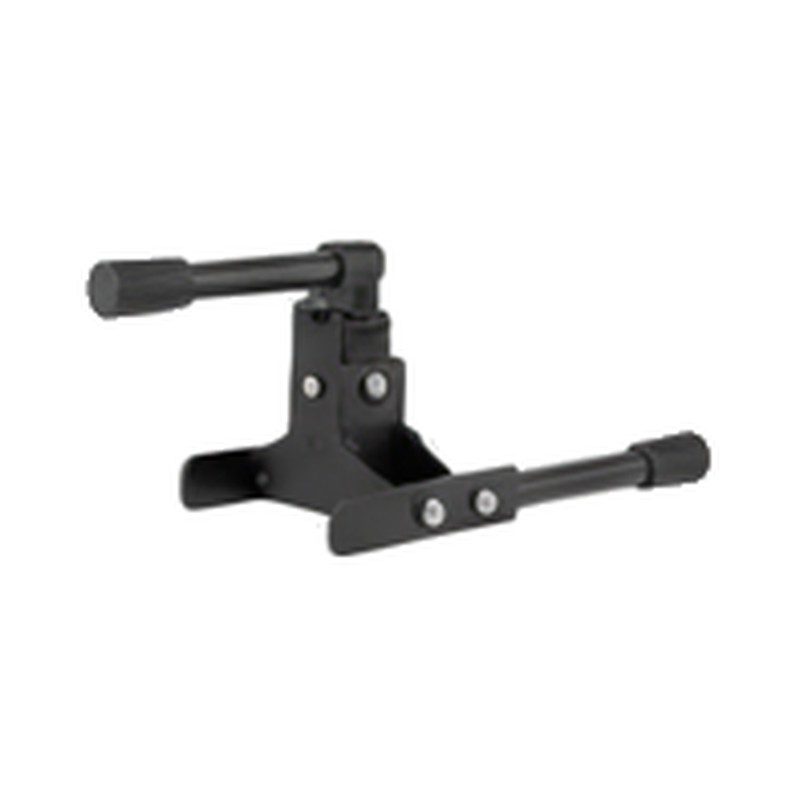
Deadlift Jacks
Check the listing for the handle length and the protective sleeve lining.
COMPARE OPTIONS
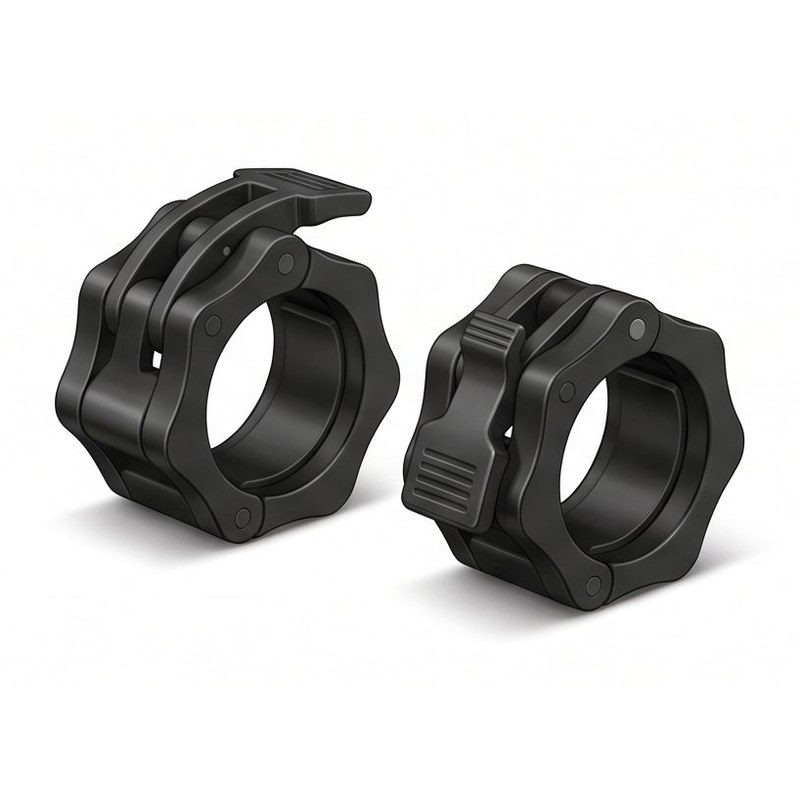
Barbell Collars
Check the bar length, the collar type and which plates are included with these barbell collars.
COMPARE OPTIONS
Barbell Handles
Compare the listed size, the build and what is included with these barbell-handles.
COMPARE OPTIONS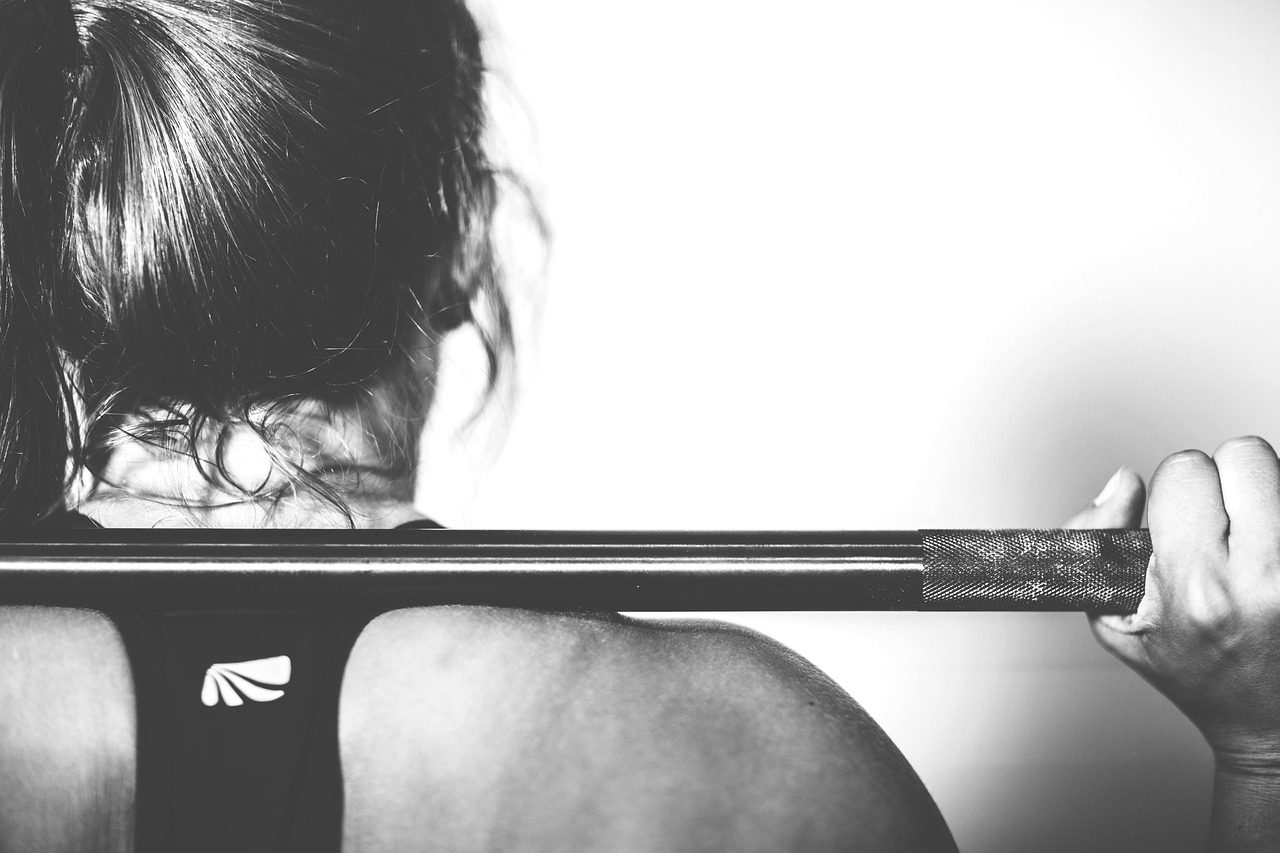
Barbell Pads
A good pick if barbell-pads suit the space and the way you plan to use them.
COMPARE OPTIONS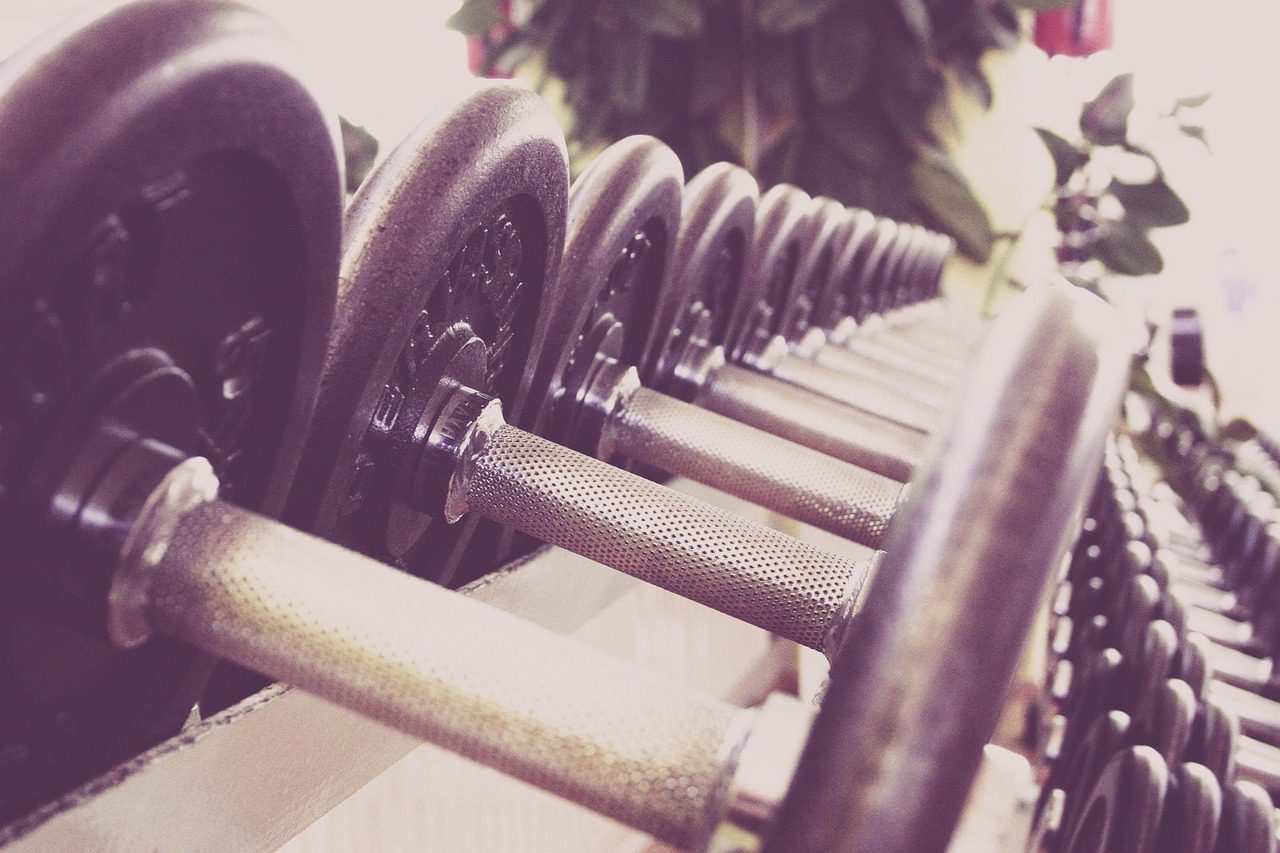
Barbell Racks
Compare the size, the build and what comes in the box for barbell-racks.
COMPARE OPTIONS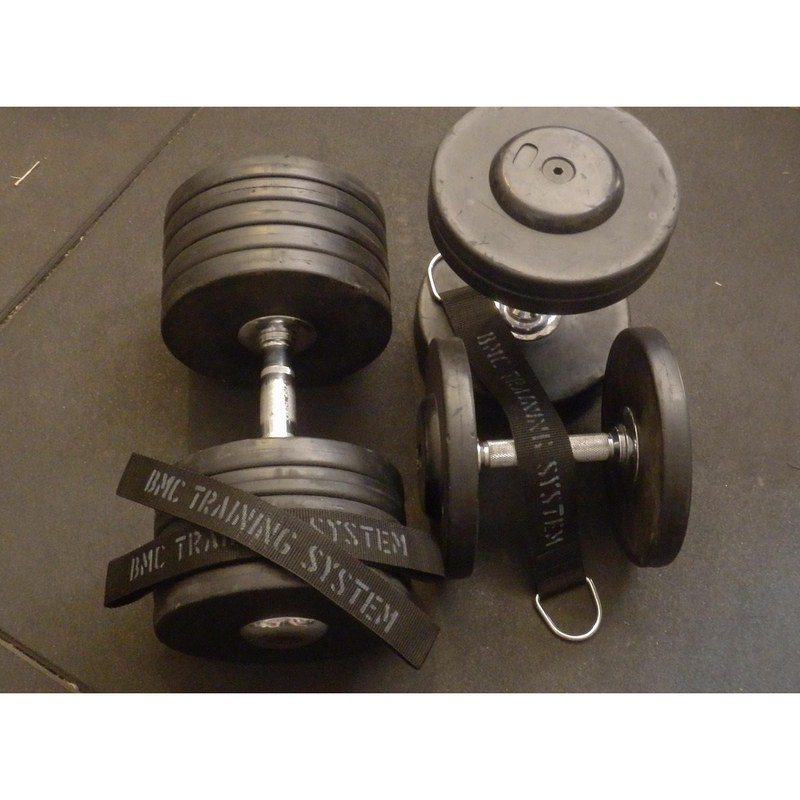
Barbell Straps
Worth a look when you want barbell-straps that match the rest of your setup.
COMPARE OPTIONS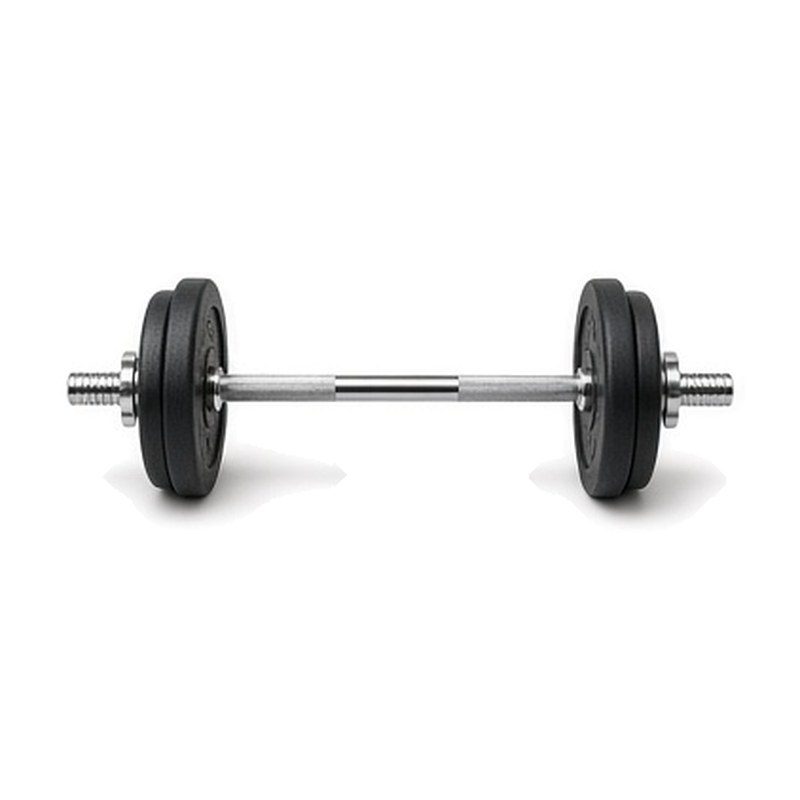
Before Choosing
- Verify floor space requirements for stationary jacks.
- Check the compatibility of wedges with your plate diameter.
- Ensure flooring tiles are suitable for your subfloor type.
- Confirm that collars provide a secure fit for your bar.
Questions Shoppers Ask
Do You Need A Dedicated Deadlift Jack?
A jack is not strictly required, but it significantly improves convenience when changing heavy plates. If you train alone or frequently adjust the load, it saves time and reduces fatigue. For those with limited space, a wedge offers a similar benefit in a much smaller, more portable package.
How Many Plates Do You Need?
The number of plates depends on your current training level and the weight increments you use. Start with a selection that allows you to reach your target load while maintaining small jumps in weight. Always check the listing to ensure the total width fits on your barbell sleeves.
Are Rubber Wedges Better Than Steel Jacks?
Wedges are superior for portability and storage, making them ideal for home gyms with limited space. Steel jacks provide greater stability and are better suited for permanent setups where you lift heavy loads regularly. Both tools effectively elevate the bar to simplify the process of changing your plates.
How Thick Should Your Gym Flooring Be?
For deadlifting, flooring should be thick enough to absorb impact and protect the floor underneath. Aim for high density tiles that provide a firm surface for your feet. Check the listing for the specific thickness, as thicker options generally offer better sound dampening and floor protection for your home.
Can You Use Collars With Any Barbell?
Most collars are designed for standard sleeve diameters, but it is important to verify compatibility before choosing. Some bars have slightly different sleeve dimensions that require specific locking mechanisms. Always check the listing to ensure the collar provides a tight, secure fit for your particular barbell model.
Where Should You Store Your Lifting Gear?
Store your gear in a dry, organised area to prevent wear and maintain performance. Jacks and wedges can be tucked away in corners or on racks when not in use. Keeping your equipment off the floor prevents tripping hazards and helps maintain a clean, professional training environment at home.