
Adding hex bars to your home gym setup provides a versatile way to perform deadlift training with improved mechanics and reduced strain during heavy sessions.
Read More
Hex bars are excellent tools for deadlift training because they allow you to lift with a more neutral spine and a more upright torso. By placing the weight at your sides, they often reduce the strain on your lower back while making the movement feel more stable and natural for many lifters.
What Are Hex Bars And Why Are They Useful?
Hex bars, often referred to as trap bars, feature a unique hexagonal or diamond-shaped frame that surrounds the user. By stepping inside the frame, you place your centre of gravity directly in line with the weight. This design differs significantly from traditional straight bars, which force the load to stay in front of your shins. The central positioning often allows for a more upright torso and shifts the mechanical focus. Many lifters find this configuration helps them maintain a neutral spine throughout the movement. Because the load sits at your sides rather than in front, the path of the bar is more efficient. These tools have gained popularity for those looking to diversify their training patterns while focusing on consistent form and controlled movement execution in a home environment.
Are Hex Bars Good For Beginners?
New lifters often find that the geometry of a hex bar simplifies the learning process. With a straight bar, the path must travel around the knees, which requires precise coordination. The hex bar allows for a more natural vertical pull, which can feel less intimidating for someone just starting their journey. Because the handles are located at the sides, the setup encourages a wider stance and a more stable base. Beginners can focus on driving through their heels without the constant worry of the bar path clashing with their lower legs. This equipment provides a stable platform that helps build confidence before moving on to more complex lifting variations. Many users prefer this design because it helps them establish a solid foundation for their strength training routine at home.
How To Use A Hex Bar Correctly
To use a hex bar, start by placing your chosen plates on the sleeves and securing them with collars. Step into the centre of the frame, ensuring your feet are hip-width apart. Reach down to grip the handles, keeping your arms straight and your chest up. As you initiate the lift, drive your feet into the ground while keeping your back flat. The weight should rise vertically as you extend your hips and knees simultaneously. At the top of the movement, stand tall without leaning back excessively. Lower the weight under control by reversing the motion, ensuring the frame touches the floor evenly. Consistent practice of this movement pattern helps refine your technique. Always check the listing for specific handle height options that might suit your personal limb proportions.
Are Hex Bar Deadlifts Safer For The Back?
The question of whether hex bar deadlifts are safer often centres on the distribution of force. By placing the load at your sides, the shear force on the lumbar spine is frequently reported to be lower than with conventional deadlifts. This is because the weight is closer to the body's midline, reducing the long lever arm that can place stress on the lower back. While every individual responds differently to training loads, the upright torso position facilitated by the hex bar design is a major factor. It encourages the use of the legs rather than relying solely on the posterior chain. When choosing equipment, consider the grip width and the frame rigidity, as these factors contribute to the overall stability and feel of the lift during your sessions.
What Do Most Hex Bars Weigh?
The weight of a hex bar varies depending on the materials used and the thickness of the steel frame. Most standard models weigh between fifteen and thirty kilograms, though professional versions can be heavier. It is vital to check the listing for the exact weight before you begin your training, as this will influence how you calculate your total load. Some designs are built with thicker tubing to increase durability, which adds to the base weight. Others are constructed with hollow or thinner steel to keep the starting weight lower for those who are just beginning their training. Always verify the weight capacity of the bar to ensure it can handle the maximum load you intend to lift safely over the long term.
Can You Use A Hex Bar For RDL?
While hex bars are primarily associated with standard deadlifts, they can be adapted for Romanian deadlift movements. The challenge lies in the frame design, which is intended for a vertical path. To perform an RDL, you must focus on a deep hip hinge while keeping your knees slightly bent. The handles on a hex bar can make this movement feel different compared to a straight bar. Some users find that the high handles allow for a better range of motion without the bar hitting their legs. However, you must be careful not to let the frame tilt forward. If you are interested in this variation, look for a bar with a balanced frame that remains stable throughout the movement. It is a useful addition to a varied training programme.
How To Set Up A Hex Bar Deadlift Station
Setting up your station requires enough floor space to move safely around the frame. Ensure you have a flat, stable surface, such as a rubber mat, to protect your flooring. When loading the bar, use consistent plates on both sides to keep the frame level. If you are using a rack, ensure the bar is positioned correctly so you can step into it without obstruction. Many users find that having a dedicated area for their bar and plates keeps their home gym organised. You may want to keep your collars nearby for quick changes. Check the listing for details on sleeve length, as longer sleeves allow for more plates if you are aiming for higher intensity. A tidy space helps you focus on your lifting technique.
Are Hex Bars Worth The Investment?
Adding a hex bar to your home gym is a significant decision that depends on your training goals. If you want to improve your pulling strength while minimising the technical complexity of traditional deadlifts, these bars are a valuable tool. They provide a unique training stimulus that is hard to replicate with other equipment. Because they are durable and require minimal maintenance, they often last for many years. When considering the investment, think about the amount of space you have and how often you plan to train. A high-quality bar with a comfortable grip will serve you well through many sessions. Many lifters find that once they incorporate this equipment, it becomes a staple of their weekly routine due to its versatility and ease of use.
Products To Compare
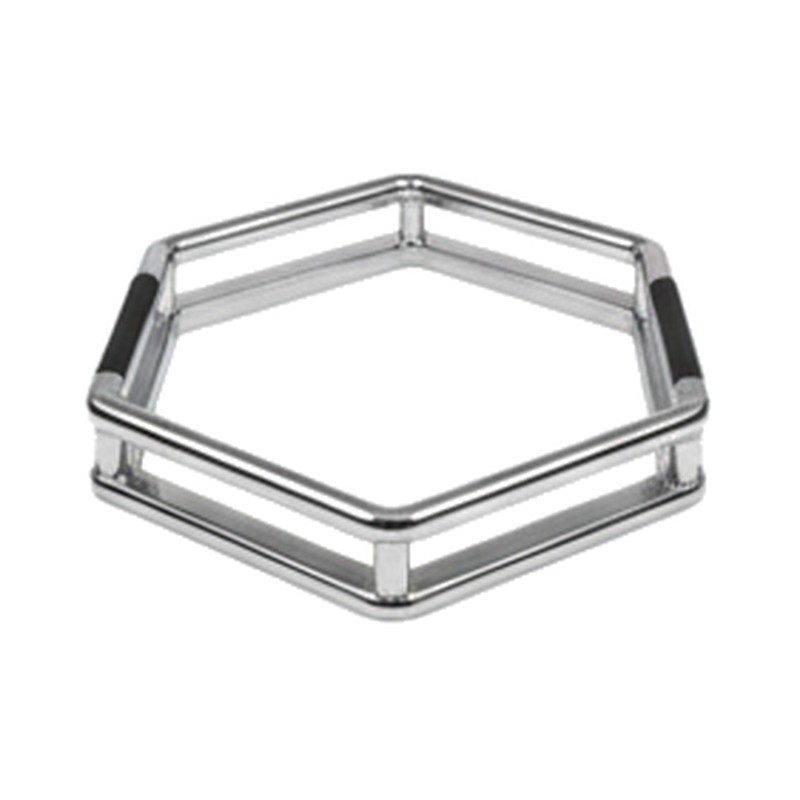
Chrome Finish Hex Trap Bars
Look for a smooth finish and a solid grip texture to ensure stability.
COMPARE OPTIONS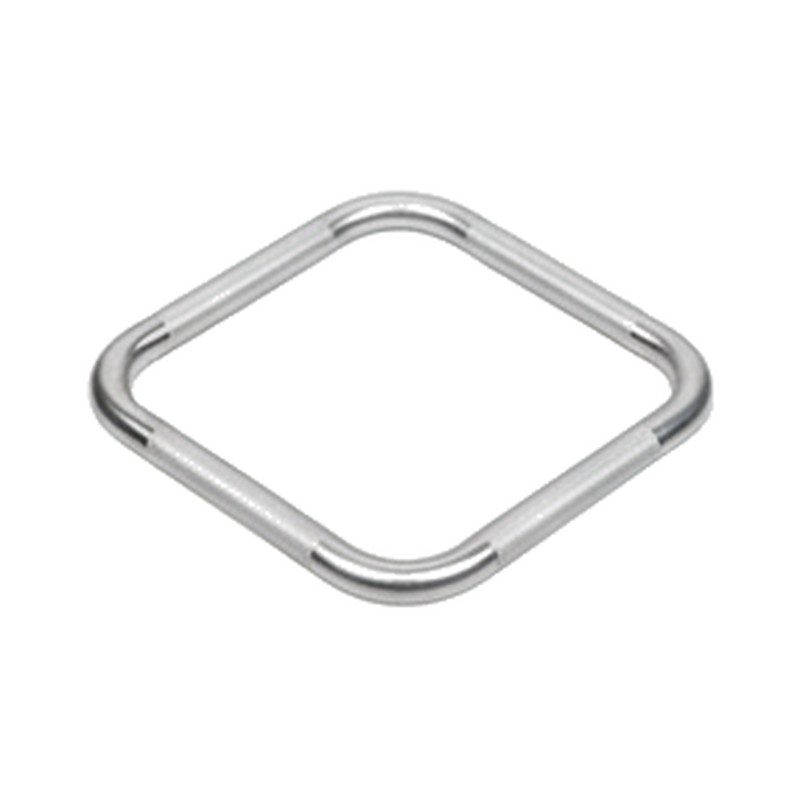
Compact Frame Hex Bars
Check the total frame width and the interior dimensions to fit your space.
COMPARE OPTIONS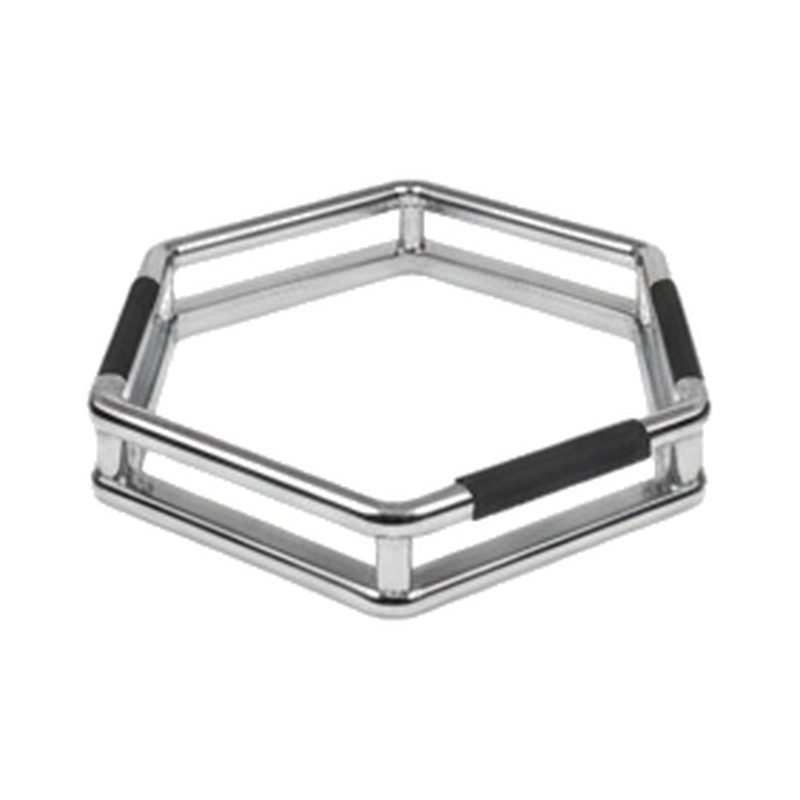
Raised Handle Hex Trap Bars
Verify the height of the handles and the thickness of the steel tubing.
COMPARE OPTIONSBefore Choosing
- Verify the internal frame dimensions allow for your preferred stance width.
- Ensure the sleeve length accommodates your specific set of weight plates.
- Check that the handle knurling provides a secure grip for your hands.
- Confirm the total frame weight is suitable for your current strength level.
Questions Shoppers Ask
Are Hex Bar Squats Good For Leg Development?
Hex bar squats are highly effective for targeting the quadriceps and glutes. The design allows you to keep your torso upright, which shifts the emphasis onto the legs rather than the back. It is a great way to build lower body strength in a controlled manner.
Do I Need A Hex Bar For My Home Gym?
You do not strictly need one, but it is a valuable addition if you want to diversify your lifting. It offers a different stimulus compared to straight bars and can be easier to learn. Many find it becomes a primary tool for their heavy leg sessions.
Are Hex Bar Deadlifts Easier Than Straight Bar Deadlifts?
Many lifters find them easier because the weight is aligned with your centre of gravity. This eliminates the need to navigate the bar around your knees. It simplifies the path of the movement, allowing you to focus on the drive and muscle engagement.
What Are Hex Bars Used For Besides Deadlifts?
Beyond deadlifts, these bars are excellent for shrugs, farmers walks, and even overhead presses in some cases. Their unique shape makes them versatile for various pulling and carrying exercises. They provide a stable platform for many movements that require a neutral grip.
How To Set Up Hex Bar Deadlift Correctly?
Clear a space, place the bar on a flat surface, and add plates evenly. Step inside, ensure your feet are positioned correctly, and grip the handles firmly. Keep your chest up and back flat as you initiate the lift from the floor.
What Hex Bar Does The Army Use?
The equipment used in military training programmes often features a robust, high-capacity design. These bars are built to withstand intensive use and heavy loads. While commercial models vary, they often share the same fundamental hexagonal shape and side-handle configuration for consistent training results.