
Choosing proper lifting straps for strength training UK sessions improves your grip security during heavy barbell workouts.
Read More
Lifting straps connect your hands securely to a barbell, bypassing grip fatigue during heavy pulls. Lasso styles offer quick adjustments and fast releases, while figure-8 loops provide unshakeable security for maximal deadlifts. Choose durable woven fabrics that match your preferred training intensity and wrist comfort preferences.
What Lifting Straps Are For Heavy Pulling Sessions
Lifting straps serve as a secure mechanical bridge between your hands and a loaded barbell during intense pulling movements. When your forearms fatigue before your back or hamstrings, these accessories let you complete every planned repetition without grip failure. Understanding what lifting straps do helps you decide when to integrate them into your routine. They wrap around the bar and your wrist, effectively locking your grip in place. This support proves valuable during heavy deadlifts, shrugs, and rack pulls where raw grip strength is the primary limiting factor. Lifters use them primarily on maximal working sets rather than warm-ups to ensure their hands maintain natural strength for lighter loads. The design transfers the weight load directly to your wrists, bypassing tired fingers and forearms entirely. Choosing the right design requires looking at how each style wraps around the knurling and secures your wrist joints during high-load pulling exercises.
Which Lifting Straps To Use For Maximum Security
Selecting the correct style depends heavily on your specific exercise selection and the speed of your lifts. If you want a quick setup that allows fast release between reps, traditional lasso designs offer excellent versatility across different pulling variations. Conversely, when maximum security is your top priority for maximal deadlifts, alternative looped styles provide an unshakeable connection to the barbell. Deciding which lifting straps to use involves weighing convenience against absolute lockdown capability. Lasso variants feature a single long strap with a closed loop at one end, allowing you to feed the tail through and create a snug fit around your wrist. They permit quick emergency releases because the connection is not permanently bound to the bar once you open your hand. Figure-8 styles loop through both wrists simultaneously around the bar, creating a fixed loop that completely eliminates any chance of the bar slipping out of your hands mid-pull, though they require a deliberate technique to disengage safely.
How To Set Lifting Straps Correctly Before You Pull
Mastering the initial setup ensures your pulls remain balanced and secure from the first repetition to the last. Knowing how to set lifting straps properly prevents awkward adjustments while holding heavy loads. For traditional lasso versions, slide your hand through the loop so the strap rests against your palm before wrapping it around the bar in the direction that tightens as you pull. If you are using continuous looped variants, the installation process differs because you pass the entire loop underneath the bar and over your wrist twice. Learning how to set wrist straps effectively involves positioning the tail so it opposes the natural roll of the knurling, ensuring the material cinches tighter under load rather than unravelling. Take time to practise these wrapping motions with an unweighted bar during warm-ups until the sequence feels automatic. Proper placement keeps the barbell close to your shins and prevents the material from bunching unevenly across your palms.
Are Lifting Straps Worth It For General Training
Many recreational lifters wonder if adding accessories to their gym bag genuinely improves overall progress over time. Evaluating whether lifting straps are worth it depends entirely on your specific training goals and whether your forearm endurance continually lags behind your posterior chain. When your grip slips long before your back muscles reach true muscular fatigue, adding a secure wrapping aid bridges that performance gap. They allow you to focus entirely on driving through your heels and engaging your lats without constantly worrying about your fingers opening up prematurely. While raw grip training remains important for overall upper body development, utilising auxiliary supports on your heaviest work sets maximises the mechanical tension delivered to your target muscle groups. They also help maintain symmetrical pulling power when one hand fatigues faster than the other due to minor imbalances in forearm strength or hand placement.
Are Lifting Straps Cheating Or Smart Engineering
A common debate in strength circles centres on whether using external aids diminishes the authenticity of a heavy pull. Examining whether lifting straps are cheating reveals that they simply remove a secondary bottleneck from complex compound movements. Because deadlifts and heavy rows test multiple large muscle groups simultaneously, your fingers and thumbs naturally act as the weakest link in the chain. Using supportive gear allows your larger, primary movers to experience the high mechanical loads necessary for continuous growth and adaptation. Purists sometimes argue that unassisted gripping represents true strength, but targeted gear usage is standard practice in competitive powerlifting and advanced bodybuilding circles alike. You still must generate the immense muscular force required to move the load from the floor; the material merely ensures your hands stay attached to the steel while you execute the movement with proper mechanical efficiency.
Can You Wash Lifting Straps After Heavy Gym Sessions
Intense training sessions inevitably lead to heavy perspiration, which eventually transfers into your gym accessories and creates unpleasant odours. Checking whether you can wash lifting straps helps maintain hygiene and extends the usable lifespan of your gear. Most fabric and webbing materials tolerate routine cleaning, but you should always check the listing or manufacturer care tags before tossing them into a machine cycle. Cotton and nylon blends usually withstand gentle hand washing with mild detergent and warm water, followed by natural air drying away from direct heat sources. Avoid using harsh chemical bleaches or high-heat tumble drying, as these aggressive methods can degrade woven fibres, weaken stitching, and compromise the structural integrity required for heavy loads. Regular maintenance keeps your accessories smelling fresh and ensures the fabric remains pliable and comfortable against your skin during subsequent heavy pulling workouts.
Do I Need Wrist Straps Or Standard Pulling Loops
Navigating the terminology in fitness catalogues can be confusing when different terms are used interchangeably for similar accessories. Understanding what wrist straps do clarifies the distinction between pure pulling aids and general wrist stability wraps. Traditional pulling loops are specifically engineered to anchor your hands to a barbell, whereas elastic wrist wraps provide compression and joint support during pushing movements like overhead presses and bench work. Deciding whether you need wrist straps depends on whether your primary bottleneck is grip failure on deadlifts or joint discomfort during heavy pressing. Some hybrid products attempt to combine both functions, but dedicated pulling straps remain the optimal choice for back development and heavy hinge movements. Assess your current training routine to identify which movement patterns cause the most fatigue before investing in specialised auxiliary gear for your kit bag.
What Lifting Straps To Buy For Longevity And Comfort
Choosing durable materials ensures your investment withstands years of friction against aggressive knurling and heavy loads. Investigating what lifting straps to buy requires looking closely at stitch density, reinforcement around stress points, and the overall width of the webbing. Heavy-duty cotton offers a comfortable, broken-in feel right from the first session, while reinforced nylon provides exceptional resistance to fraying under daily gym use. Padded variants can reduce friction against sensitive wrist bones during maximal efforts, though some lifters prefer unpadded traditional webbing for a thinner, more direct connection to the bar. Examine the edge finishing to ensure there are no rough seams that could dig into your skin when under tension. Reading through product descriptions carefully helps you identify options that balance long-term durability with comfortable everyday performance in a demanding gym environment.
Products To Compare
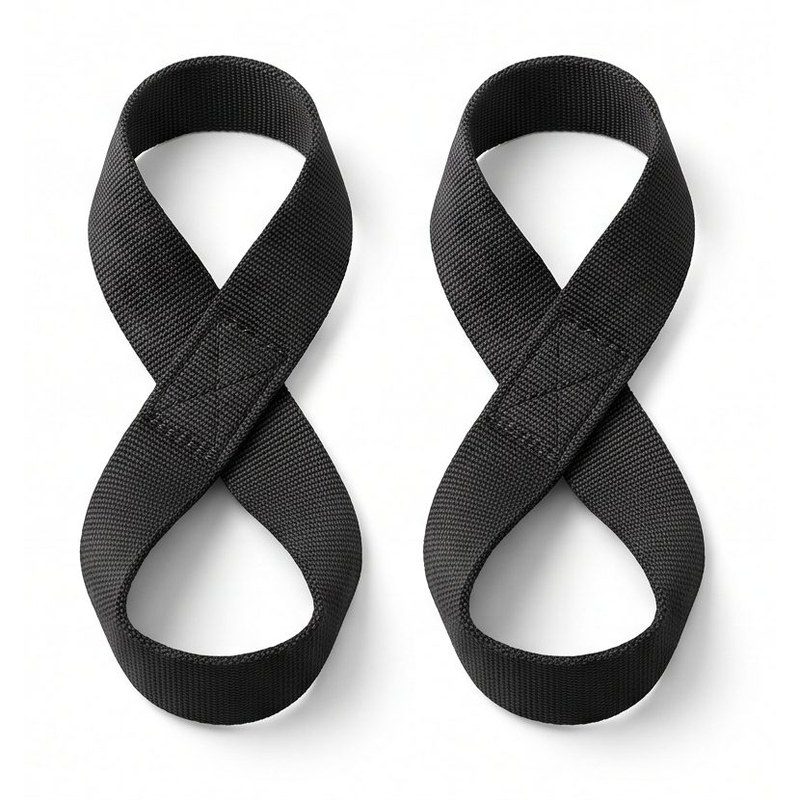
Figure 8 Straps
Check the loop sizing and the heavy-duty webbing width for durability.
COMPARE OPTIONS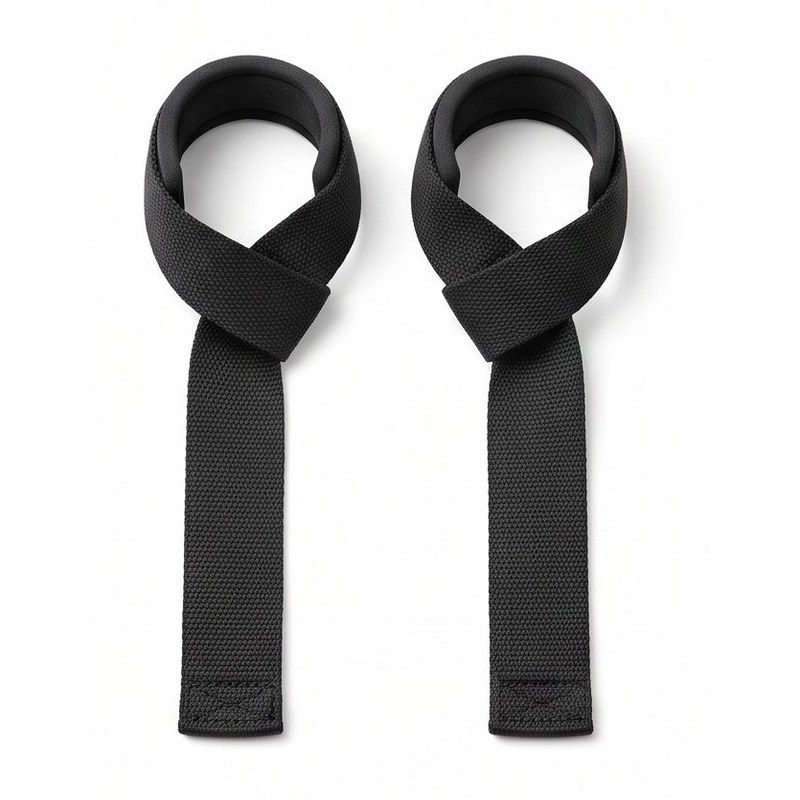
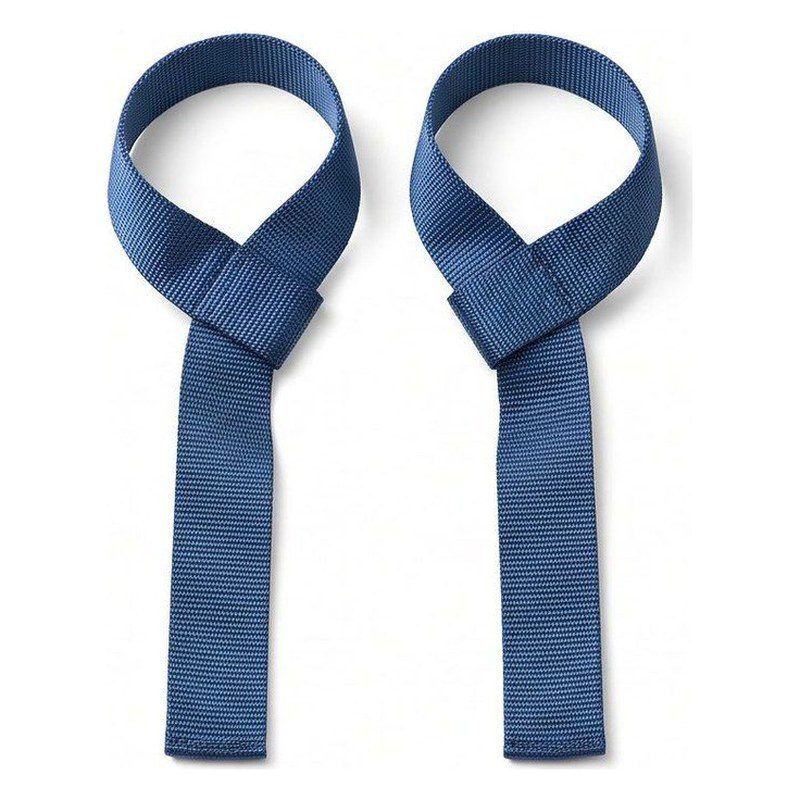
Nylon Lifting Straps
Inspect the synthetic weave density and the edge finishing quality.
COMPARE OPTIONS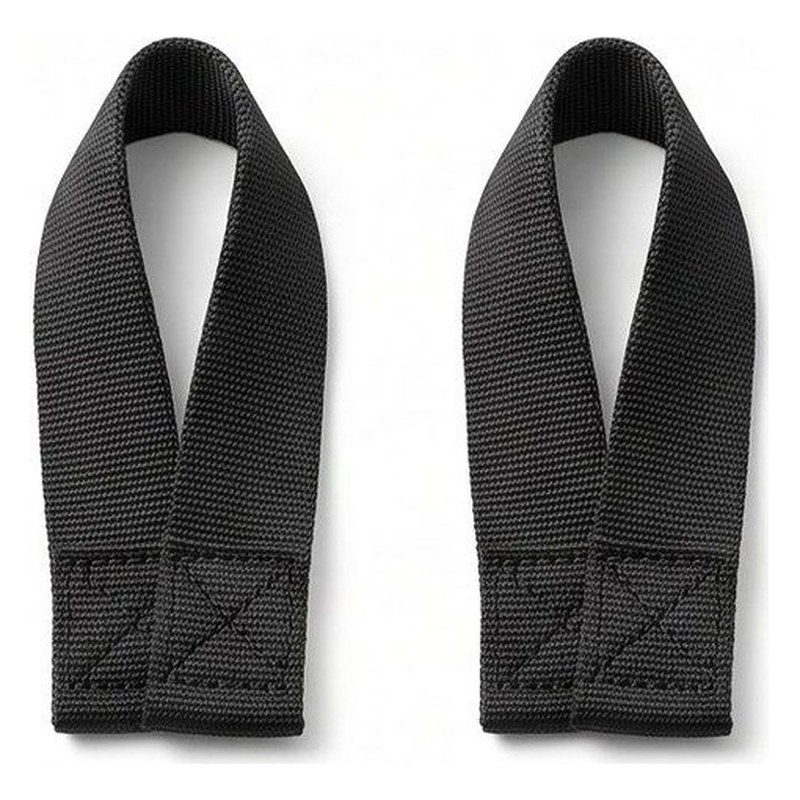
Closed Loop Olympic Straps
Check the inner circumference and the heavy cotton tensile strength.
COMPARE OPTIONS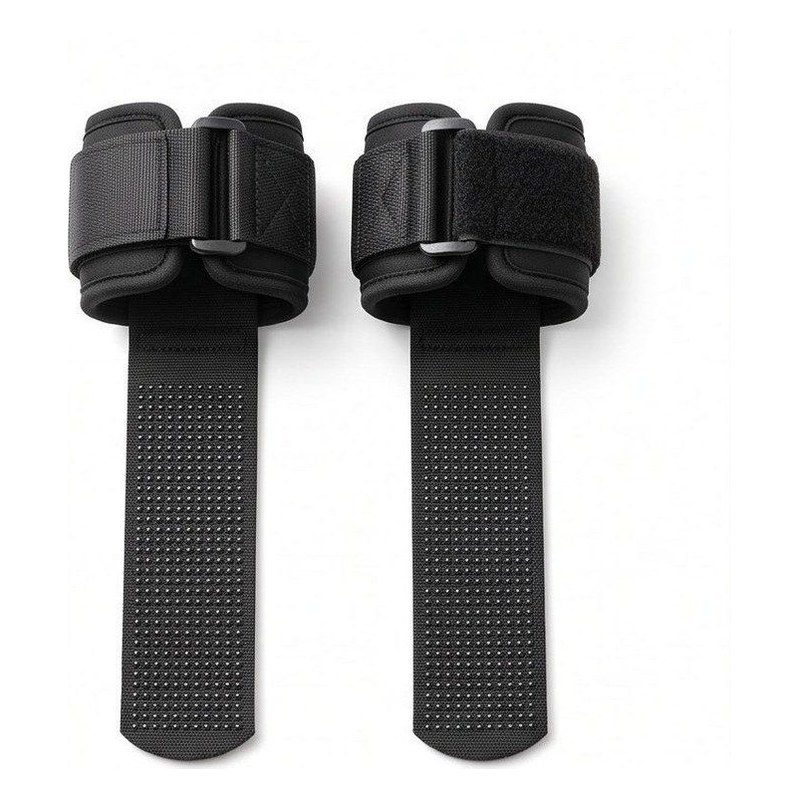
Hook And Loop Cuff Straps With Grip Beads
Examine the fastener grip strength and the integrated traction bead placement.
COMPARE OPTIONSBefore Choosing
- Check the fabric weave and stitching density.
- Verify the strap length suits your wrist size.
- Inspect the edge binding for smooth comfort.
- Confirm the loop style matches your pulling goals.
Questions Shoppers Ask
What Lifting Straps Should You Choose For Deadlifts?
Choose lasso styles for versatility and quick release, or figure-8 designs if you want absolute lockdown security on maximal deadlifts without worrying about grip slippage during heavy repetitions.
What Wrist Straps Do During Heavy Pulling?
They relieve forearm and finger fatigue by transferring the load directly to your wrists, allowing you to focus entirely on driving heavy weights without your grip failing prematurely.
Which Lifting Straps Are Best For Beginners?
Traditional cotton lasso straps are ideal for beginners because they are easy to wrap, comfortable against the skin, and allow quick release if a lift needs to be aborted safely.
How To Set Wrist Straps For Proper Alignment?
Feed the tail through the loop to form a secure bracelet around your wrist, then wrap the remaining length around the bar knurling in the direction that tightens as you pull.
Are Lifting Straps Good For Building Back Muscles?
Yes, they allow your larger back and hamstring muscles to experience maximum mechanical tension by removing forearm exhaustion as the primary limiting factor in your compound pulling sets.
Can You Wash Lifting Straps In A Machine?
Most fabric variants tolerate gentle hand washing with mild detergent, but you should always check the listing instructions and avoid high-heat tumble drying to preserve stitching strength.