
Installing high quality gym flooring tiles provides a durable and protective surface for your home training area while helping to preserve your existing floor.
Read More
The best gym flooring tiles are typically made from high density recycled rubber, offering excellent durability and impact protection for your subfloor. Look for interlocking designs if you prefer an easy installation process. Always verify the thickness and surface texture to ensure the tiles match your specific training requirements and flooring needs.
What Are The Best Gym Flooring Tiles
Choosing the right surface for your home setup involves evaluating the material density and the intended use of the space. High density options often provide better longevity and resistance to heavy equipment placement. When searching for the best gym flooring tiles, consider the surface finish and how it interacts with your footwear. A textured surface can provide better traction during movement, while smoother finishes are generally easier to clean. It is important to look at the overall thickness, as this dictates how much impact noise is reduced. Many users prefer rubber compounds for their durability and natural grip. Always check the listing for details regarding the specific material composition to ensure it matches your requirements. A well chosen floor tile provides a stable foundation that remains secure even during intense sessions, ensuring you get the most from your space.
How To Install Gym Flooring Tiles
The installation process is generally straightforward for most interlocking systems. Start by clearing the area of all debris and ensuring the subfloor is level. If you are using interlocking designs, begin in a corner and work your way across the room. You may need to trim tiles to fit around obstacles or along walls. For cutting rubber tiles, a sharp utility knife and a straight edge are usually sufficient. Take your time to measure twice before making any cuts to ensure a tight fit. Some types may require a specific adhesive if you prefer a permanent setup, but most home users opt for the floating floor method. This allows for easy removal or replacement if needed. Always check the listing to see if the manufacturer recommends a specific pattern for the best results during installation.
Can You Cut Rubber Floor Tiles
Many users wonder if they can customise their layout by cutting pieces to fit awkward room shapes. The answer is yes, most standard rubber flooring tiles can be cut quite easily with basic tools. A heavy duty utility knife with a fresh blade is the most common tool for this task. It is best to use a metal straight edge to guide your cuts for a clean finish. When cutting, make multiple passes rather than trying to slice through the entire thickness at once. This technique helps maintain a straight line and prevents the blade from wandering. Remember to wear appropriate protective gear while handling tools. Once cut, the edges can be sanded slightly if they appear rough, ensuring a professional appearance that integrates perfectly with the rest of your home gym setup.
Which Tile Size Is Best For Flooring
The size of the tile you choose influences both the ease of installation and the final aesthetic of your gym. Smaller tiles are often easier to handle and transport, making them a popular choice for solo installers. Larger tiles can cover ground more quickly and result in fewer seams across the room. Consider the dimensions of your space when deciding on the size. If your room has many corners or pillars, smaller tiles might offer more flexibility. Conversely, larger mats are excellent for open plan areas where you want a seamless look. Think about the weight of the tiles as well, as larger pieces can be heavy to move. Always check the listing to confirm the exact dimensions provided, as sizes can vary significantly between different manufacturers and product ranges currently available.
Can You Put Gym Floor Tiles Over Carpet
Placing tiles directly onto a carpeted surface is a common question for those using spare bedrooms or living areas. While it is physically possible, the stability of the floor depends heavily on the type of carpet underneath. A short pile or industrial carpet provides a firmer base compared to deep pile options. If the carpet is too soft, the tiles may shift or buckle when weight is applied. Some users choose to place a layer of hardboard or plywood between the carpet and the tiles to create a rigid foundation. This helps distribute weight evenly and prevents the tiles from separating. Before proceeding, assess the thickness and density of your existing carpet. If it feels too plush, you might need to remove it to achieve a truly stable and safe training environment.
What Are Gym Floor Tiles Made Of
Understanding the composition of your flooring is vital for long term performance. Most gym floor tiles are made of recycled rubber granules, often bonded with a polyurethane binder. This combination creates a resilient surface that is capable of absorbing impact and reducing noise. Some premium options incorporate coloured flecks or different rubber densities to improve the visual appeal or specific functional properties. You might also encounter foam based tiles which are lighter and softer, though these are typically better suited for lighter activities rather than heavy weight training. Rubber remains the gold standard for durability in home gyms due to its resistance to indentations. Always check the listing to identify the specific materials used, as this directly influences how the product will perform under the specific conditions of your own training space.
Is Wooden Flooring Better Than Tiles
Deciding between wood and rubber tiles depends on your specific training focus. Wooden flooring provides a very hard and stable surface which is excellent for movements that require rigid ground contact. However, it can be slippery and does not offer the same impact absorption as rubber. Rubber tiles are generally preferred for general purpose home gyms because they protect the subfloor and provide better grip. If you drop equipment, rubber tiles are far more forgiving than wood. Many people choose to use a combination, perhaps having a wooden platform for specific lifts while using rubber tiles for the surrounding area. This hybrid approach offers the benefits of both surfaces. Consider your primary activities and whether you need the shock absorption that rubber provides or the absolute rigidity of a wooden floor.
Can You Paint Rubber Floor Tiles
Painting rubber flooring is generally not recommended due to the flexible nature of the material. Rubber is designed to compress and expand under pressure, which causes most standard paints to crack or peel very quickly. If you want a specific colour, it is far more effective to choose tiles that are manufactured in that colour from the start. Some specialised coatings exist, but they often require extensive surface preparation and may not hold up to the rigours of a busy gym environment. If your current tiles look worn, it is usually better to clean them thoroughly or replace individual pieces if they are damaged. Attempting to paint them often leads to a messy finish that requires frequent touch ups, which is rarely a practical solution for a home gym setting.
Products To Compare
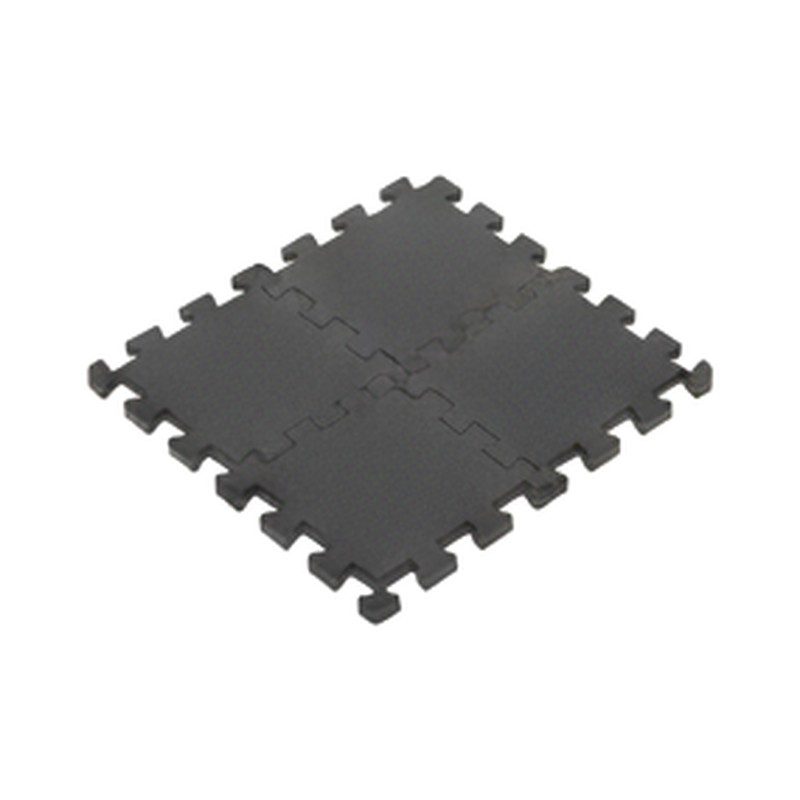
Interlocking Gym Flooring Tiles
Check the listing for the connector type and total thickness.
COMPARE OPTIONS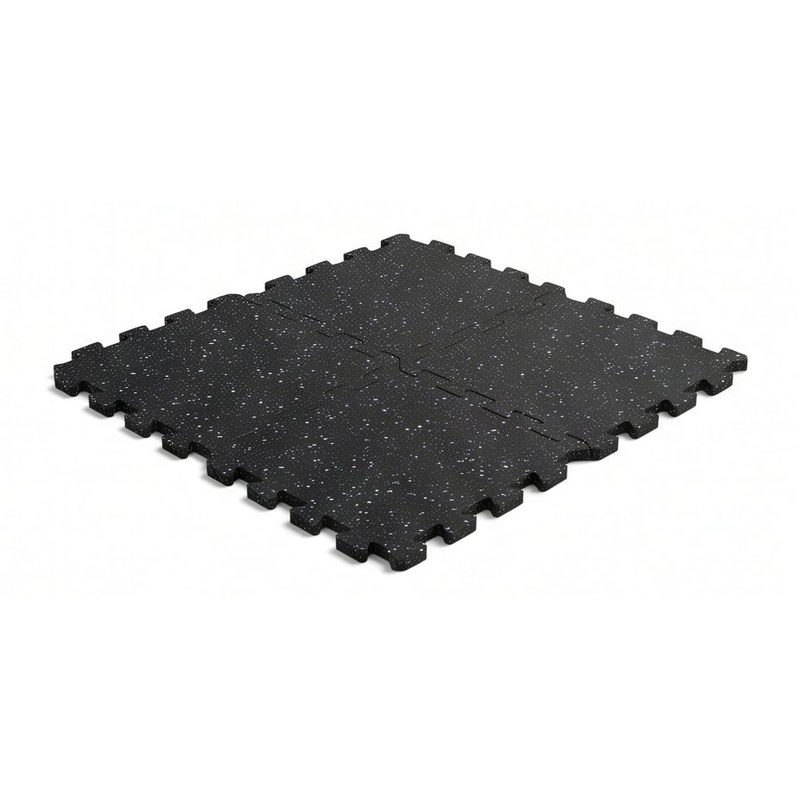
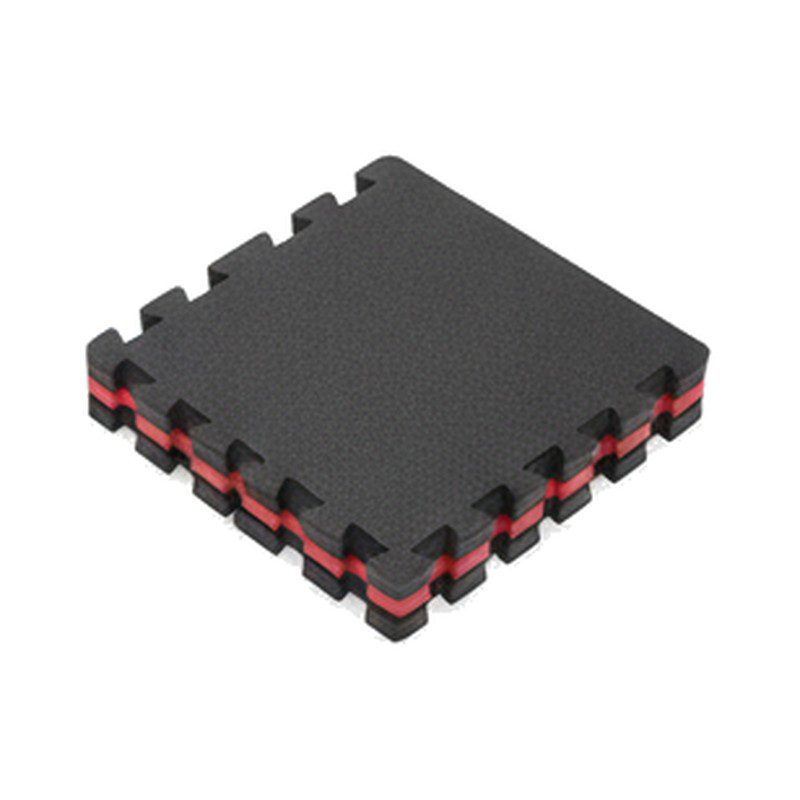
Shock Absorbent Gym Flooring Tiles
Look for the impact rating and material composition.
COMPARE OPTIONS
Before Choosing
- Confirm the total floor area to ensure you purchase enough tiles.
- Verify the subfloor compatibility before starting the installation process.
- Check if the tiles require adhesive or if they stay in place naturally.
- Measure the room height to ensure the tile thickness does not cause door clearance issues.
Questions Shoppers Ask
How Do You Clean Gym Flooring Tiles?
Cleaning is generally simple using a damp mop and a mild soap solution. Avoid harsh chemicals that could degrade the rubber material over time. Regular vacuuming or sweeping will help keep the surface free of dust and debris, which maintains the grip and appearance of the tiles.
Do Gym Flooring Tiles Reduce Noise?
Yes, high quality rubber tiles are effective at absorbing impact noise and vibrations. The thicker the tile, the more sound dampening it will provide for your floor. This is particularly useful if you are working out in an upstairs room or a shared building environment.
Can You Use Gym Flooring Tiles Outdoors?
Most indoor gym tiles are not designed for external use and may deteriorate when exposed to direct sunlight or moisture. If you need outdoor flooring, look for products specifically rated for weather resistance. Always check the listing to see if the manufacturer permits outdoor installation.
Are Gym Flooring Tiles Slippery When Wet?
Rubber tiles are generally designed to provide good traction even when slightly damp. However, it is best to wipe up any moisture immediately to maintain safety. The level of grip often depends on the specific surface texture and the quality of the rubber used.
How Long Do Gym Flooring Tiles Last?
With proper care and installation, quality rubber flooring can last for many years in a home gym setting. Its longevity depends on the intensity of use and the thickness of the tiles. Avoid dragging heavy equipment across them to prevent premature wear and surface damage.
Do Gym Flooring Tiles Need To Be Glued Down?
Most home gym tiles are designed to stay in place using their own weight and friction. Interlocking systems are particularly secure without the need for adhesive. Gluing is usually only necessary for permanent commercial installations where the floor experiences extremely high traffic.