
Choosing the right exercise mats provides a stable and comfortable foundation for your home training sessions by protecting your joints and the floor surface.
Read More
The best exercise mat depends on your primary activity. For high impact jumps, choose a thick shock absorbing surface. For balance and stability, opt for a thinner high density option. Always check the listing for material durability and dimensions to ensure it fits your space and supports your movement style effectively.
Which Exercise Mat Is Best For You
Selecting the correct surface involves considering your specific movement patterns and the space available. If you perform frequent jumps or high impact activities, you need a surface that offers significant impact absorption to reduce noise and pressure. Conversely, if your routine focuses on slow movements or static positions, a thinner and firmer surface provides the stability required to maintain balance. You should evaluate the surface texture to ensure it provides sufficient grip even during intense sessions where moisture might accumulate. Always verify the overall dimensions to ensure your entire body fits comfortably within the perimeter while performing your movements. Consider how the material reacts to different floor types, such as carpet or hardwood, to prevent sliding during use. A well matched surface improves your focus by removing distractions like instability or slipping.
How To Choose Exercise Mat Options
When you begin to look at various models, focus on the density of the foam and the outer coating. High density options maintain their shape over time, preventing the feeling of bottoming out during ground based work. Look for edges that are reinforced to prevent fraying if you plan to move the item frequently. Check the listing for details regarding the material composition, as some synthetic blends offer better resistance to wear than others. Think about your storage situation; if you have limited room, a folding or rolling design is essential. Some models feature carry straps or lightweight structures that make transport between rooms simple. Ensure the surface finish is compatible with your cleaning routine, as some materials are porous while others are sealed to resist moisture absorption during heavy use.
What Are Exercise Mats Made Of
Most floor surfaces for fitness are constructed from synthetic polymers such as nitrile butadiene rubber, polyvinyl chloride, or thermoplastic elastomers. Each material offers a unique balance of cushion and durability. Nitrile options are often favoured for their soft feel and resilience, making them ideal for long sessions on the ground. Thermoplastic elastomers are known for being lightweight and providing a good grip, which is beneficial for fast paced transitions. Some designs incorporate recycled foam layers to enhance environmental credentials while maintaining structural integrity. It is important to look at the manufacturing process mentioned in the product description to understand the expected lifespan of the item. Materials that are closed cell do not soak up sweat, which helps in maintaining a fresh surface over years of regular activity in your home gym.
Can You Wash Exercise Mats
Maintaining cleanliness is vital for the longevity of your equipment. Most surfaces can be wiped down with a soft cloth dampened with mild soap and water. Avoid using harsh chemicals or abrasive brushes that might damage the protective coating or the structural foam underneath. If the product is made from a closed cell material, it will resist moisture, meaning a quick wipe is usually sufficient to remove surface debris. Always allow the surface to air dry completely before rolling it up or storing it away. This prevents the growth of odours and ensures the material does not degrade prematurely. Never submerge the entire item in water unless the manufacturer specifically states it is safe, as heavy foam can become waterlogged and extremely difficult to dry effectively.
Are Gym Mats Eva Foam
Ethylene vinyl acetate or EVA is a common material used in many interlocking floor systems due to its lightweight and shock absorbing properties. It is often found in puzzle style tiles that allow you to cover large areas of a room. These are particularly useful if you want to create a dedicated zone for various types of equipment. Unlike roll out designs, these tiles can be configured to fit irregular room shapes or corners. While they provide excellent cushioning for bodyweight movements, they are generally less portable than single piece options. Check the listing to confirm if the specific tiles you are considering use high density EVA, as this will determine how well they hold up under the weight of heavy equipment or frequent foot traffic over time.
Do You Need A Workout Mat
Using a dedicated surface is recommended to protect both your body and your flooring. Without a layer of protection, hard surfaces can cause discomfort during movements that put pressure on the knees, wrists, or spine. Additionally, a dedicated surface provides a clear boundary for your training space, which helps in maintaining focus. If you are training on a hard floor, the extra layer provides essential friction that prevents your hands and feet from sliding, which is a major factor in ensuring your movements are performed with control. For those using equipment, a mat acts as a buffer that prevents scratches or dents on your flooring. It also helps to dampen the sound of impacts, making your home training sessions much quieter and more considerate for others in the house.
Are Gym Mats Waterproof
Many modern options are designed with water resistant properties to handle sweat and cleaning liquids. A waterproof surface is highly advantageous because it prevents the absorption of moisture into the inner foam layers. If a mat is not waterproof, it can become a breeding ground for bacteria and odours if it is not cleaned and dried immediately after every session. When reviewing product descriptions, look for terms like closed cell technology, which indicates that the material structure does not contain open pores. This feature is a primary indicator of how easy the item will be to maintain over the long term. If you tend to sweat heavily during your routines, prioritising a waterproof or water resistant surface will save significant time and effort in your maintenance schedule.
Can You Use Gym Mats Outside
While many designs are intended for indoor use, some are robust enough for occasional outdoor sessions on flat, clean surfaces like a patio or deck. However, you must be cautious about the environment. Direct sunlight can cause certain materials to fade or become brittle over time. Rough surfaces like gravel or concrete can easily tear or puncture the bottom of the mat, significantly reducing its lifespan. If you intend to train outdoors, look for options that are marketed as heavy duty or durable. Always ensure the ground is completely clear of sharp objects before laying your surface down. After outdoor use, it is essential to clean the underside thoroughly to remove any grit or dirt that might scratch your indoor flooring when you bring the mat back inside.
Products To Compare
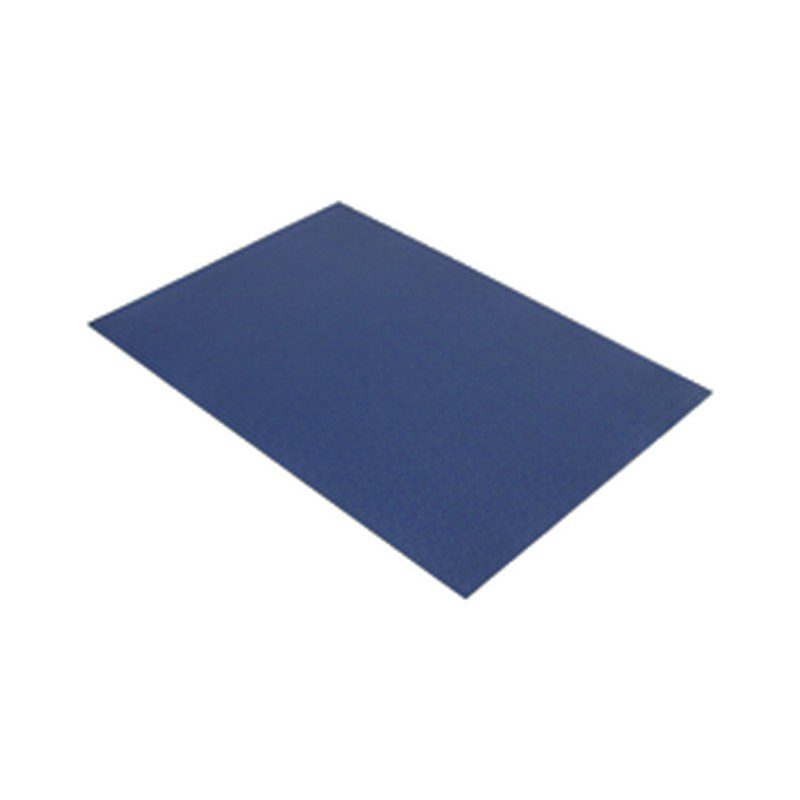
High Density Exercise Mat
Assess the material firmness and the resistance to heavy weight indentation.
COMPARE OPTIONS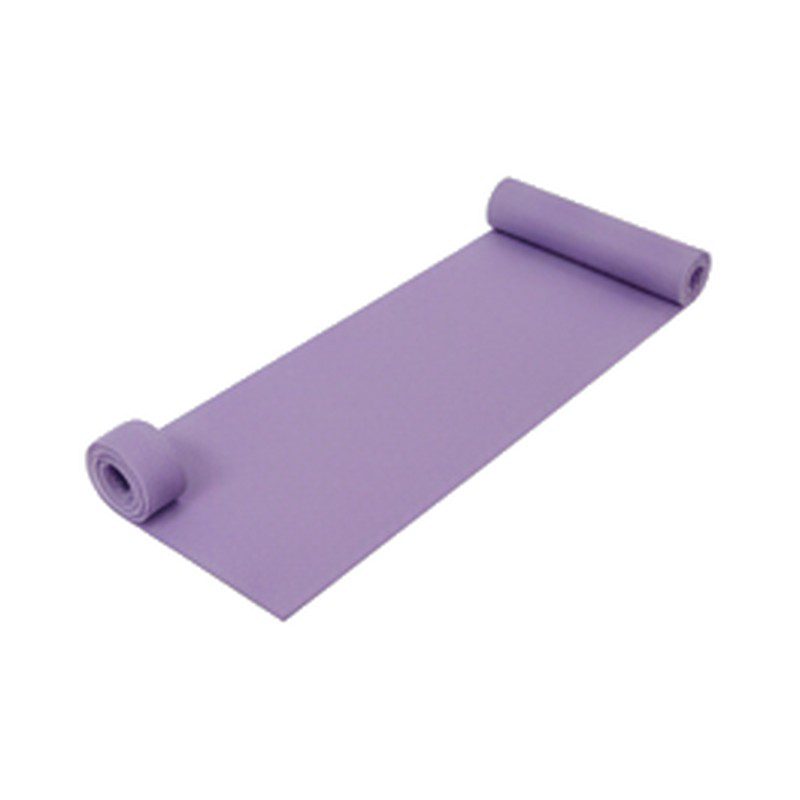
Extra Wide Exercise Mat
Verify the lateral width and the stability of the edges during movement.
COMPARE OPTIONS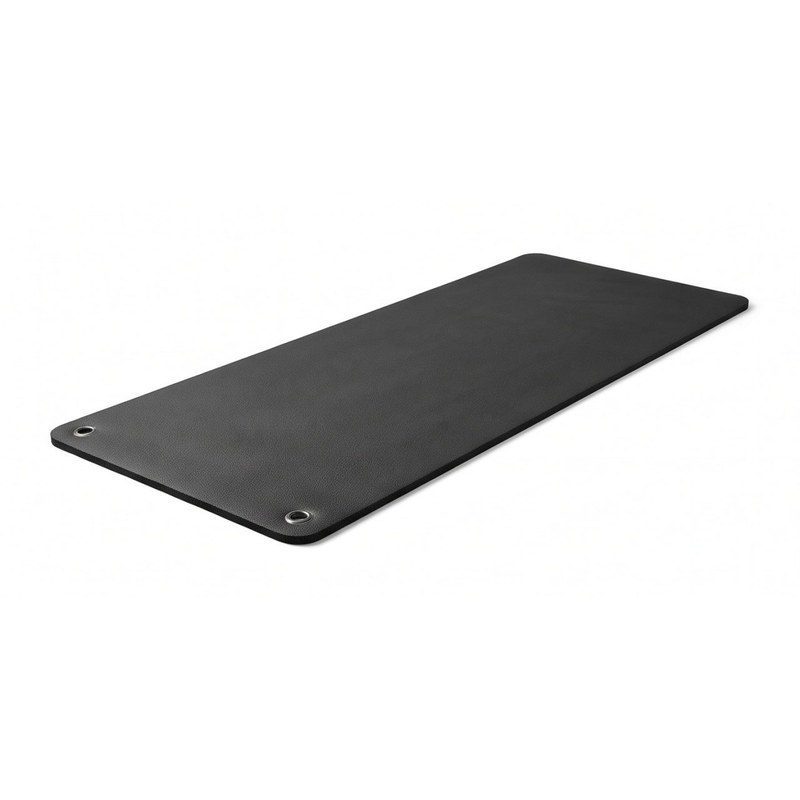
Hanging Eyelet Exercise Mats
Inspect the eyelet reinforcement and the distance between hanging points.
COMPARE OPTIONS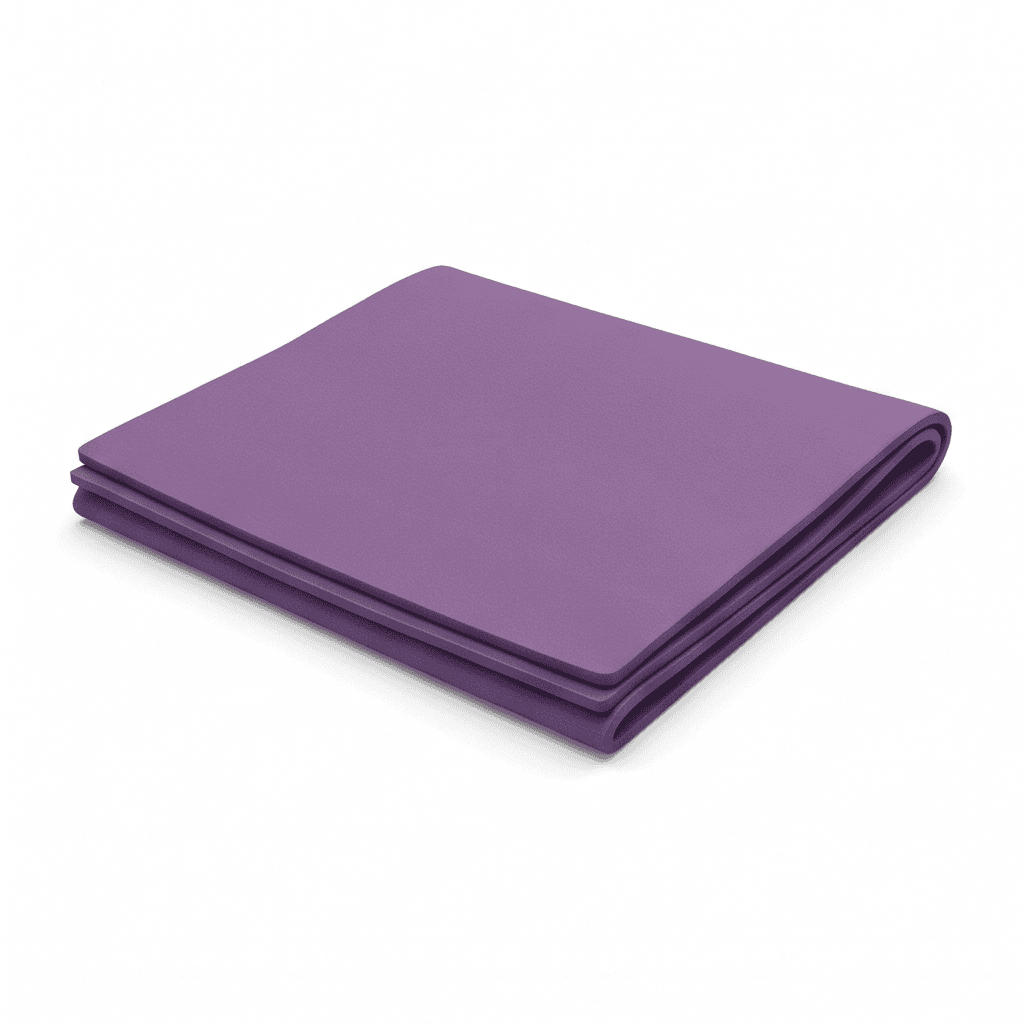
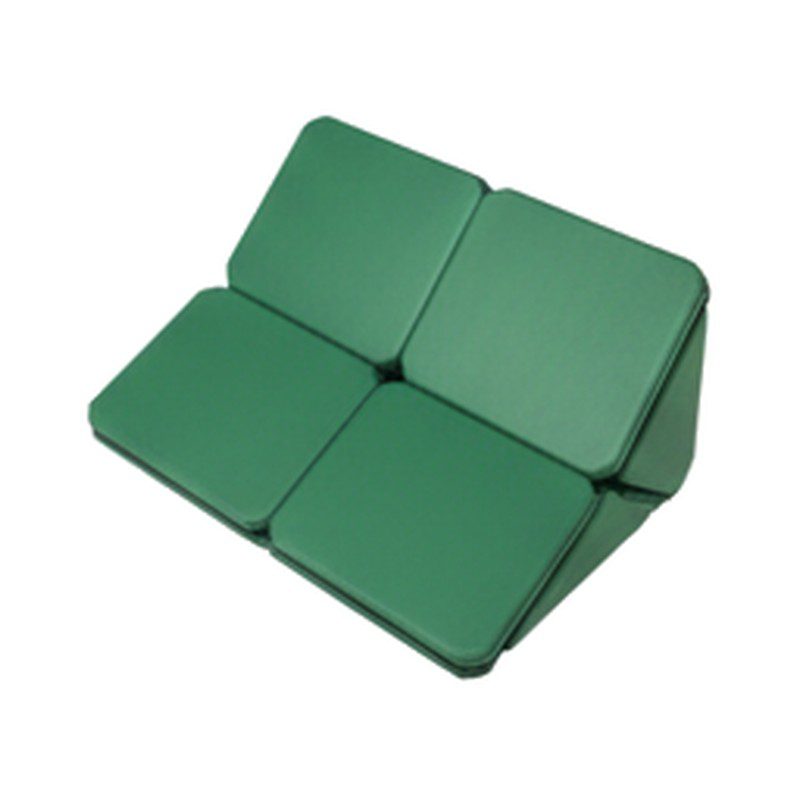
Foldable Exercise Mat
Compare the full dimensions, the thickness and the stated use of these foldable exercise mat.
COMPARE OPTIONS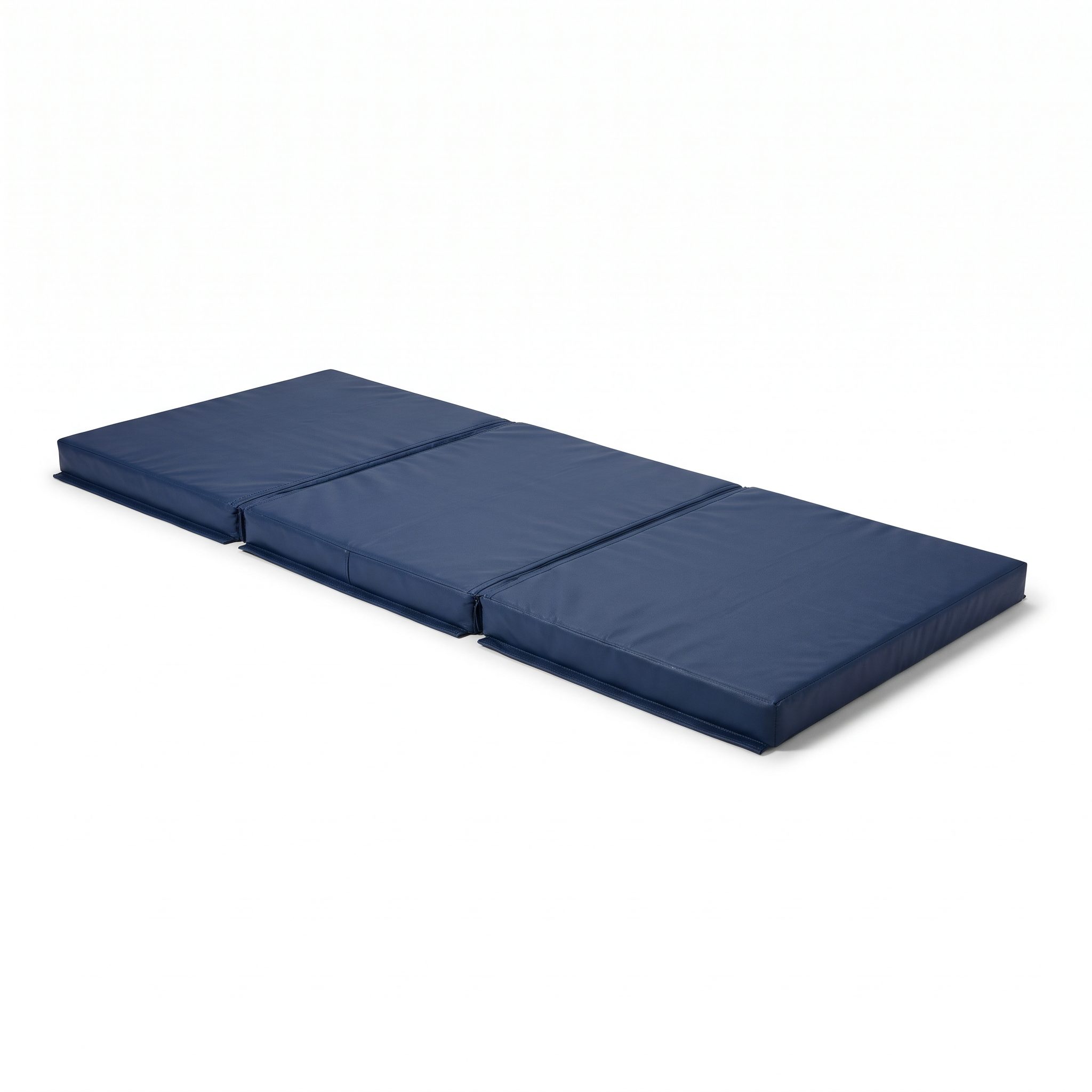
Folding Exercise Mats
Compare the listed size, the build and what is included with these folding exercise mats.
COMPARE OPTIONS
Non Slip Rubber Exercise Mat
A good pick if non-slip rubber exercise mat suit the space and the way you plan to use them.
COMPARE OPTIONS
Roll Up Exercise Mats
Compare the size, the build and what comes in the box for roll-up exercise mats.
COMPARE OPTIONSBefore Choosing
- Verify the surface material is suitable for your specific floor type to prevent sliding.
- Measure the available space to ensure the dimensions allow for full range of motion.
- Check if the storage method fits your room layout for when the item is not in use.
- Confirm the cleaning requirements match your routine to ensure long term hygiene.
Questions Shoppers Ask
How Thick Are Exercise Mats?
Thickness varies significantly based on the intended use. Thinner options provide stability for balance, while thicker designs offer cushioning for impact. You should check the listing to find the specific depth that matches your comfort preferences for floor based work.
How Do You Clean An Exercise Mat After A Floor Workout?
Use a damp cloth with mild soap on a sealed, waterproof surface rather than soaking the foam. Wring the cloth well so water does not sit in the core, and let the mat dry fully before you roll or fold it for storage. Check the listing if the seller gives a care method for that material.
Can You Recycle Exercise Mats?
Recycling options depend on the specific material composition of your mat. Many synthetic foams are not accepted in standard household recycling bins. Check with your local waste management facility to see if they accept specialised plastic or foam items for proper disposal or repurposing.
Can You Get Exercise Mats In A Chosen Colour?
Choose a mat that is manufactured in the colour you want rather than painting one. Paint tends to crack and peel as the foam flexes during a workout, and it can make the surface slippery. Look at the listed colour options and the finish in the photos before you buy.
What Are Exercise Mats For?
These items serve as a protective buffer between you and the floor. They improve comfort during movements, provide necessary grip to prevent slipping, and protect your flooring from damage caused by bodyweight or equipment. They also help to dampen sound during training sessions at home.
What Should You Look For In An Exercise Mat For Floor Workouts?
Look for a mat thick enough to cushion your knees and spine on a hard floor, a grippy surface that stays put when you sweat, and a length that fits your full body when lying down. Check whether it rolls or folds to suit your storage space and whether the listing says the surface wipes clean easily.