Dumbells
Read More
Dumbbells for a practical home training space
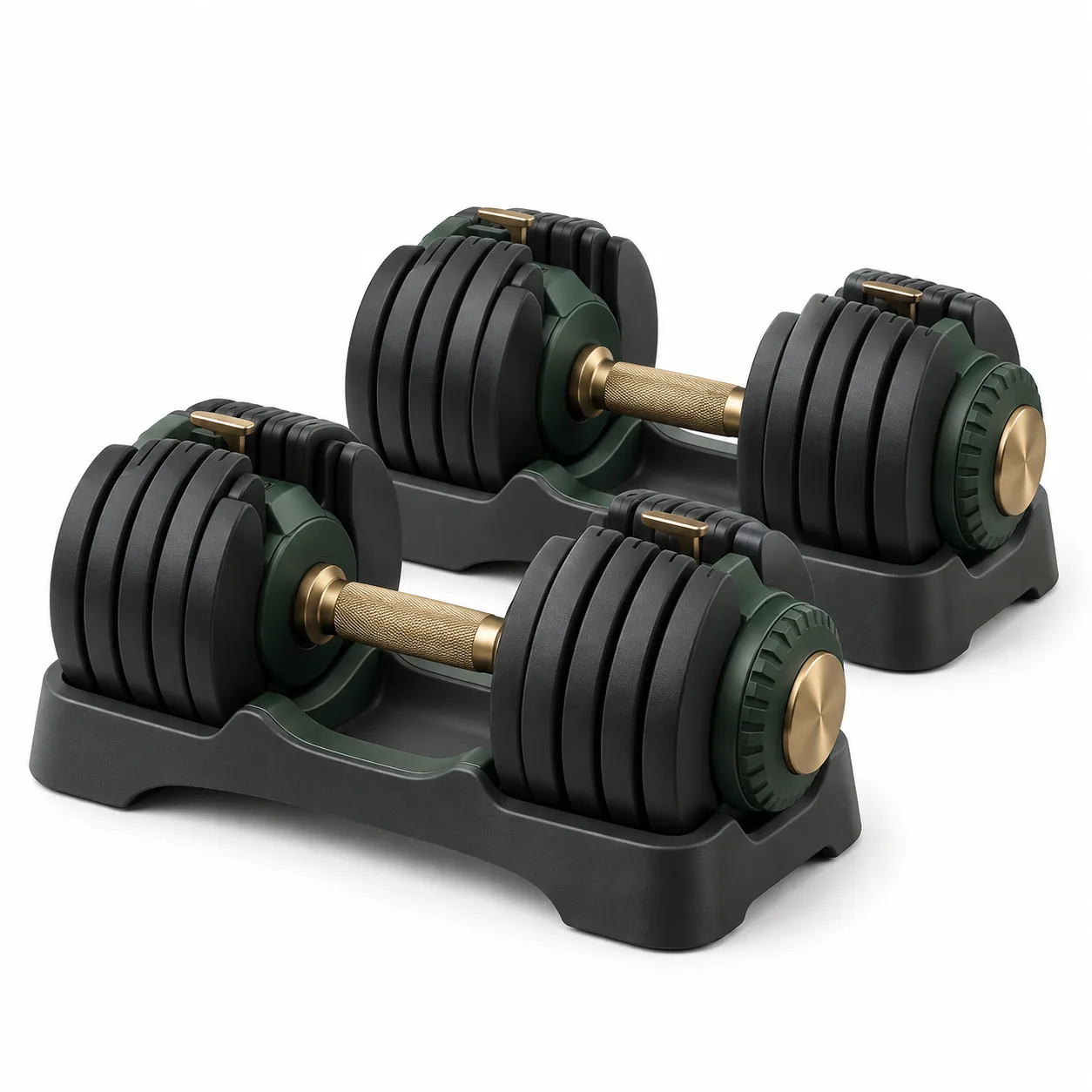
Dumbbells come in several formats, and choosing between them starts with how you want to store, handle and change them. A fixed pair, a plate-loaded handle and a selector-based adjustable dumbbell can all appear under the same broad shopping category. Their ownership requirements are different. This guide concentrates on comparing the physical equipment and the information a listing should provide. Use the pictured options to explore different adjustable dumbbell arrangements, then check the exact item description. The displayed format does not establish a particular brand, weight range, included accessory or performance claim. Those details belong to the individual listing and its instructions.
Begin with the space available
Measure the intended storage position before comparing the equipment. Record the available width, depth and height, including shelves, skirting boards and anything that opens beside it. A compact pair can still need additional access space around its handles or cradle. Think about where the dumbbells will be put down and where loose plates will sit while the load is changed. Keep the route between storage and the intended use area clear. If the room also serves as a bedroom or office, consider whether the equipment has to move after each session. That requirement affects the usefulness of a stand, case or permanent floor position.
Understand fixed and adjustable formats
A fixed dumbbell has a stated load that does not change through the addition or removal of its own plates. An adjustable arrangement changes the selected load using its particular mechanism. Neither label tells you the total package contents. A photograph showing two handles may accompany a listing for a single unit, while a headline weight may describe the whole set. Read the variation selector and the included-items list together. For an adjustable product, look for the minimum and maximum settings and the steps between them. For fixed weights, check the load of each piece and whether the pair contains matching sizes.
Compare the adjustment process
Plate-loaded dumbbells require compatible plates and a means of securing them to the handle. Selector arrangements use a mechanism that engages the intended load, usually within a dedicated storage position. The practical comparison is the complete process: where the equipment sits, how a setting is selected, what has to be checked and where unused components remain. Read the manufacturer's procedure rather than assuming that a familiar-looking dial or lever operates like another design. Find out whether adjustment requires a particular orientation. A clear instruction manual is useful evidence when a short retailer description leaves the mechanism difficult to understand.
Check handle dimensions and finish
Handle measurements can help distinguish products that look similar in photographs. Look for grip length, grip diameter and overall dumbbell length. The shape of the grip and the texture of its surface may also matter to your preferences, but a photograph alone cannot establish how it feels. Knurled metal, a shaped grip and a covered handle should be described accurately in the listing. Check whether the manufacturer gives cleaning instructions for that finish. Avoid assuming that a thicker grip is automatically more suitable or that one surface is universally comfortable. Where measurements are missing, ask the retailer for the specification before making a choice.
Read weight descriptions carefully
Retail listings use phrases such as total weight, maximum weight and set weight in different ways. Write down what the number refers to: one dumbbell, a matching pair, loose plates or the entire package. Check whether handles and collars are included in the quoted total. If a range is stated, look for the actual available settings rather than assuming every intermediate number is possible. Units also deserve attention when comparing listings from different markets. Keep a short table with the stated unit, per-handle range, number of handles and included components. This avoids comparing a single adjustable unit with a two-handle set as though the offers were identical.
Plan for plates and collars
For plate-loaded formats, compatibility is part of the purchase rather than an afterthought. Record the handle's specified loading arrangement, the plate opening specification and the manufacturer's compatible components. Similar appearance does not prove interchangeability. Consider the space taken by loose plates when the handles are unloaded, and whether a case or separate rack is included. Replacement collars and other small parts may be relevant over time, so check whether the maker identifies suitable replacements. Do not infer an accepted plate size from the category name or the photograph. The specific product's documentation should resolve that question before additional components are ordered.
Decide whether a stand is useful
A stand changes the footprint and access height of a dumbbell arrangement. Compare its stated dimensions separately from the dumbbells themselves. A pictured stand may be an optional accessory, and a stand described for one range may not accept another model's cradle. Check the package contents, attachment requirements and compatibility information. Think about whether the stand creates a permanent position that works in the room or takes up space needed for another purpose. If you prefer floor storage, consider the surface and the manufacturer's guidance on supporting the equipment. Choose the storage arrangement for the actual room, rather than because it looks complete in a promotional image.
Inspect construction information
Useful descriptions identify the main materials, any coating and the parts intended to move or be removed. They should also explain what assembly is required. A textured or rubber-like surface in a picture is not enough to establish its material, resistance to wear or suitability for every floor. Look for explicit care and storage instructions, including restrictions on moisture or outdoor use. Check whether moving components need any particular maintenance. Keep instructions for the exact model rather than relying on a generic guide for adjustable weights. Product-specific handling limits matter, including any restrictions on dropping the equipment or using it in unsupported ways.
Compare complete ownership costs
The initial package price is only one part of comparing two options. Identify accessories that would be necessary for your chosen setup, such as an approved stand, compatible plates or suitable storage. Separate essential additions from optional extras. Delivery arrangements may also affect whether a package is practical for your address, especially where access involves stairs or a restricted entrance. Review the retailer's stated delivery service rather than assuming that a heavy item will be carried to a particular room. Check return instructions and any conditions that apply after assembly or use. A clear understanding of the whole package helps prevent a cheaper-looking listing from becoming an incomplete purchase.
Narrow a shortlist without chasing labels
Choose a few concrete requirements before browsing: the format, available footprint, number of handles, documented adjustment range and storage arrangement. Compare those fields across a small shortlist. Descriptions such as premium, professional or compact are not substitutes for measurements or included-items information. Reviews can identify questions to investigate, but make sure they concern the same variation and current product. A review of a different load range, older mechanism or separate accessory may not describe the item selected in your basket. Return to the actual specification when a promotional statement conflicts with the details elsewhere on the page.
Questions worth resolving before ordering
Is the listing for one dumbbell or a pair? What does the headline weight include? Does the selected variation include the pictured cradle, stand, plates and collars? Where can the instruction manual be read? How much clear space is needed for adjustment and storage? Which replacement components are approved for that model? These questions help turn an attractive image into a practical comparison. Keep a note of anything the listing does not answer. It is better to resolve a missing measurement or unclear package description before checkout than to assume that all items shown in a photograph will arrive together.
Make the final choice from verified details
Before purchasing dumbbells, compare the final basket variation with the specification you recorded. Recheck the number of units, stated load, included accessories and delivery conditions. On arrival, inspect the package and its instructions before putting the equipment into use. Follow the maker's assembly, adjustment and care directions, and seek qualified help where the setup or your intended use raises questions. The right shopping decision is the one supported by clear product information and a workable place in your home. A small set of verified requirements is more useful than a long list of appealing features whose meaning remains uncertain.
Dumbbell formats to compare


Dumbells guides
Weights DumbellsWeights Dumbbells SetWeights DumbbellTechnogym DumbellsSelectable DumbellsPair Of DumbellsNeoprene DumbbellsLoadable DumbbellHex DumbellHex DumbbellsDumbells SetsDumbells For WomenDumbells For SaleDumbells BuyDumbellsDumbell WeightsDumbell Tree SetDumbell TreeDumbell SetsDumbell SetDumbbells SetDumbbellsChrome DumbellsCheap Dumbbells For SaleBuy DumbellsAdjustable Dumb Bells