
Improve your footwork and coordination at home with versatile agility ladders designed for effective training sessions.
Read More
Agility ladders are simple training tools consisting of rungs and straps used to improve foot speed, coordination, and athletic movement. By performing structured drills, you can enhance your balance and agility. They are highly effective for various sports, including boxing and football, helping you refine your precision and reaction times.
What Are Agility Ladders Used For
Agility ladders serve as essential tools for individuals looking to enhance their athletic performance through structured movement patterns. These devices consist of a series of rungs connected by durable side straps, creating a grid on the floor. Users step between these rungs in various sequences to develop better coordination and balance. By focusing on precise foot placement, you can refine your movement efficiency over time. These tools are common in various disciplines, including football and boxing training, where rapid foot speed remains a priority. The simplicity of the design allows for quick setup on any flat surface. Whether you are a beginner or a seasoned athlete, incorporating these ladders into your routine provides a clear framework for consistent practice. They do not require complex assembly, making them accessible for anyone wanting to start their training immediately.
Are Agility Ladders Effective For Training
Many people wonder if agility ladders work for general fitness goals beyond sport specific drills. The effectiveness of these ladders stems from the cognitive and physical demands placed on the user during complex footwork patterns. By consistently repeating these movements, you can improve your ability to switch directions and maintain stability. The visual feedback provided by the rungs encourages you to keep your eyes forward, which mimics real world movement scenarios. While they do not provide resistance in the traditional sense, the cardiovascular challenge increases as you pick up the pace of your drills. Consistency is key when using these tools, as the repetition helps to build muscle memory. Many find that regular practice leads to noticeable improvements in their overall coordination and movement fluidity during daily activities or other physical pursuits.
What Muscles Do Agility Ladders Work
Engaging with agility ladders primarily targets the lower body, involving the calves, quadriceps, and hamstrings. These muscle groups work in unison to facilitate rapid, controlled movements and quick changes in direction. The constant stabilisation required also activates the core muscles, which help maintain an upright posture throughout the drills. Because the movements often involve lateral and linear transitions, the stabilising muscles around the ankles and hips receive significant attention. This comprehensive activation helps improve your overall functional movement patterns. While the focus remains on the lower body, the intensity of the drills can elevate your heart rate, providing a secondary benefit to your overall stamina. Using these tools allows for a dynamic workout that challenges your body in multiple planes of motion, fostering better control and awareness of your lower limbs.
How To Set Up Agility Ladder Correctly
Learning how to set up agility ladder equipment is a straightforward process that requires minimal time. Begin by finding a flat, clear space, such as a garden patio, a garage floor, or a dedicated gym area. Unroll the ladder fully to ensure there are no twists in the side straps. If your model features adjustable rungs, check the listing for guidance on how to space them to suit your stride length. Once positioned, verify that the rungs lie completely flat against the ground to prevent tripping. Some models include pegs for outdoor use to keep the frame anchored during more vigorous sessions. For indoor use, ensure the surface is non slip to maintain stability. Proper setup is essential for safety and ensures that your training remains focused on your footwork rather than adjusting the equipment.
Which Agility Ladder Size Is Best
Determining the ideal agility ladder size depends on your available space and the specific drills you intend to perform. Standard lengths are often sufficient for most home users, offering enough rungs to complete a wide variety of movement patterns. If you have a larger training area, you might prefer longer options that allow for extended sequences without needing to reset. Conversely, if your space is limited, a shorter ladder provides a compact solution that still offers plenty of utility. Consider the width of the rungs as well, as wider rungs can accommodate different foot sizes more comfortably. Always check the listing for the total length and the number of rungs provided. Selecting the right size ensures that your equipment integrates seamlessly into your training environment without feeling cramped or underutilised during your sessions.
Are Agility Ladders Good For Boxing
When considering if agility ladders are good for boxing, it is clear that they offer significant benefits for fighters. Boxing requires exceptional foot speed, balance, and the ability to pivot rapidly. These ladders provide a controlled environment to practice the precise footwork essential for maintaining a strong stance and moving effectively around an opponent. By incorporating ladder drills, boxers can improve their reaction times and refine their ability to transition between offensive and defensive positions. The rhythmic nature of the drills also helps in developing a consistent pace, which is vital during longer training sessions. Whether you are working on your jab steps or lateral shuffles, these tools help translate complex footwork into instinctive movements. They are a staple in many gyms because they directly translate to improved performance within the ring.
Are Agility Ladders Worth It For Home Use
Deciding if agility ladders are worth it involves evaluating your commitment to improving your movement skills. These tools are highly portable and can be stored in a small bag, making them an excellent choice for home environments where space is at a premium. They are durable enough to withstand frequent use and are easy to clean after outdoor sessions. Because they facilitate a wide range of drills, they remain useful as your fitness level progresses. They offer a simple yet effective way to add variety to your routine without needing heavy or expensive machines. If you value equipment that is easy to manage and provides clear, measurable progress in your coordination, these ladders are a sensible addition to your home gym collection. Their longevity and versatility make them a solid investment for long term training.
How To Use Agility Ladder For Beginners
If you are new to training, understanding how to use agility ladder setups starts with mastering the fundamentals. Begin by walking through the ladder slowly to familiarise yourself with the rhythm and the placement of your feet. Focus on landing on the balls of your feet and keeping your knees slightly bent for better control. Once you feel comfortable with the basic forward run, you can introduce more complex patterns like lateral movements or hop drills. Always prioritise quality of movement over speed in the early stages to build proper form. As your confidence grows, gradually increase your pace to challenge your coordination further. Consistency is more important than intensity when starting out, so aim for short, frequent sessions rather than long, exhausting ones. This approach helps you develop essential skills safely and effectively.
Products To Compare
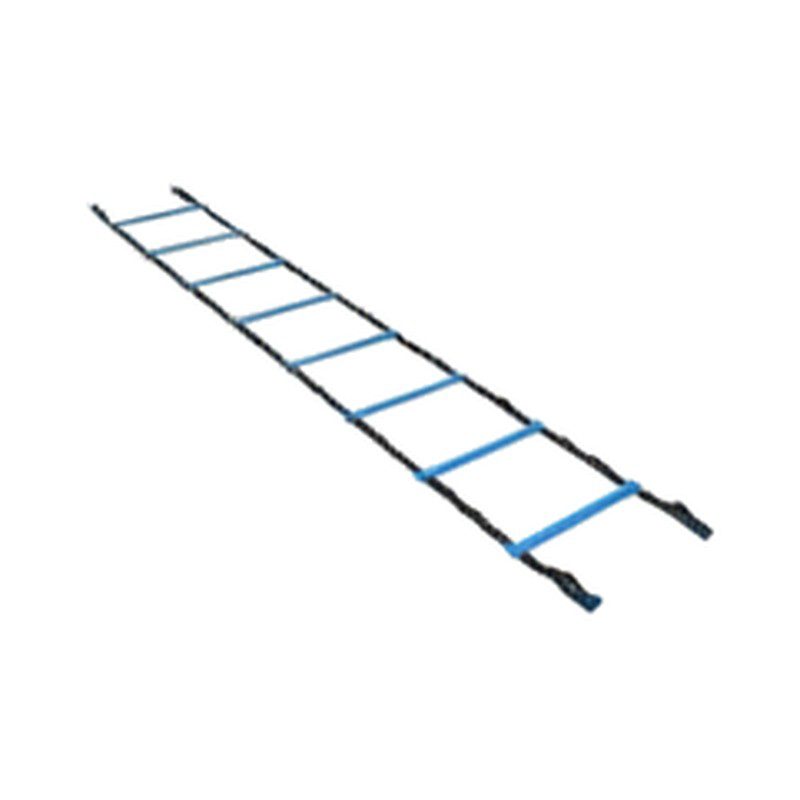
Long Agility Ladder
Check the total number of rungs and the overall length to ensure it fits your floor space.
COMPARE OPTIONS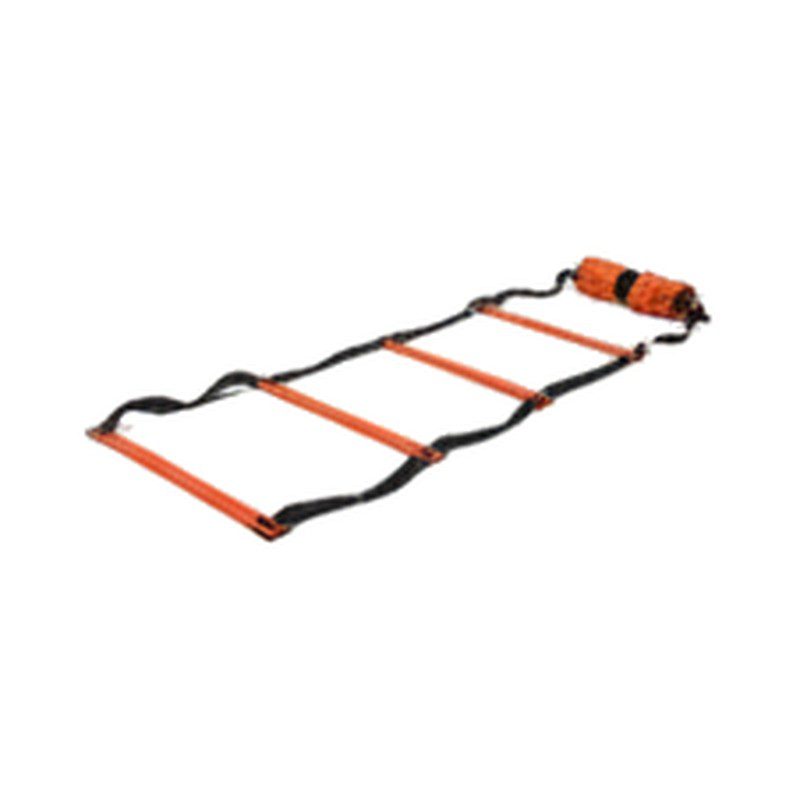
Adjustable Agility Ladder
Verify the sliding mechanism allows for custom rung spacing to suit different stride lengths.
COMPARE OPTIONS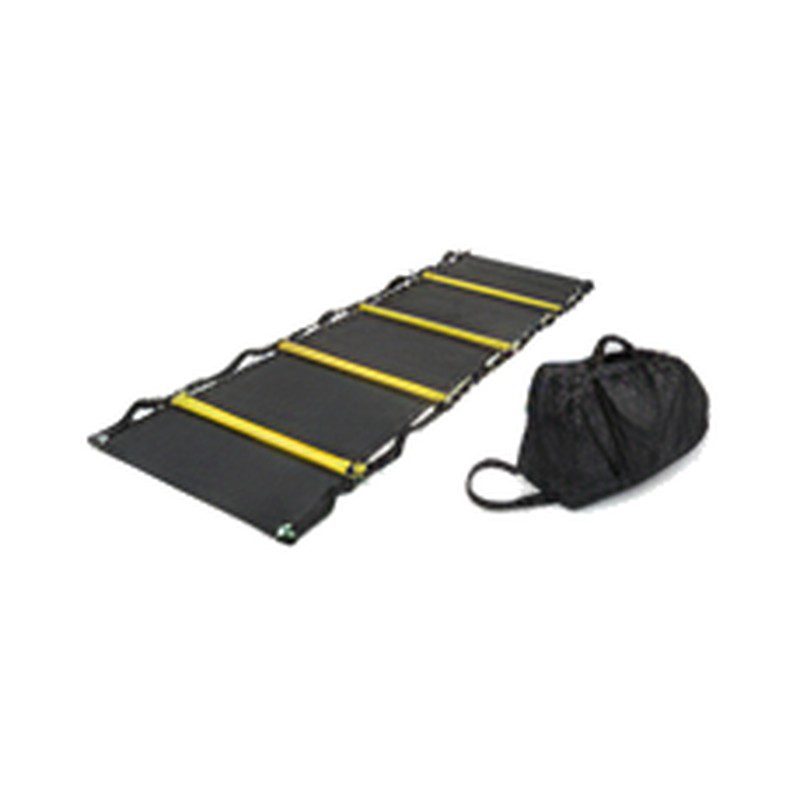
Portable Agility Ladder
Review the weight of the frame and the inclusion of a storage bag for easy transport.
COMPARE OPTIONS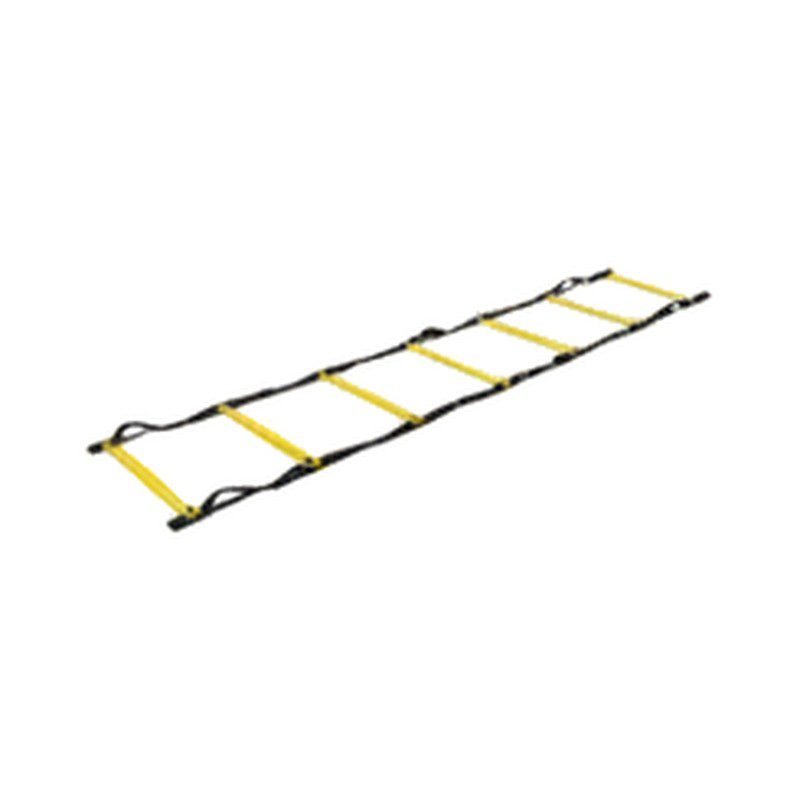
Flat Agility Ladder
Confirm the rungs have a low profile design to minimise the risk of catching your feet.
COMPARE OPTIONS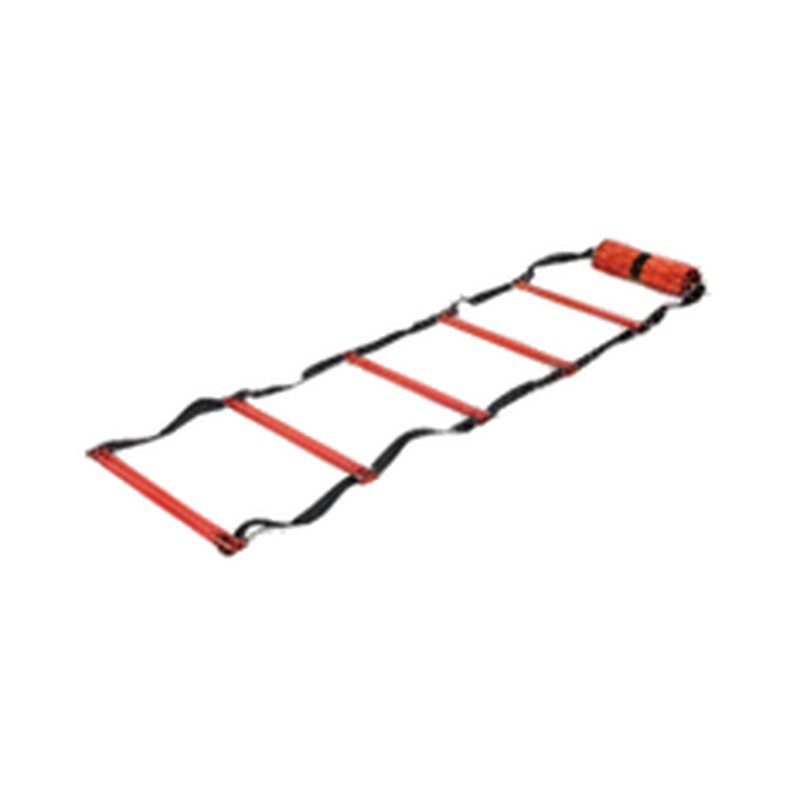
Short Agility Ladder
Check the width of the rungs and the durability of the side straps for frequent use.
COMPARE OPTIONS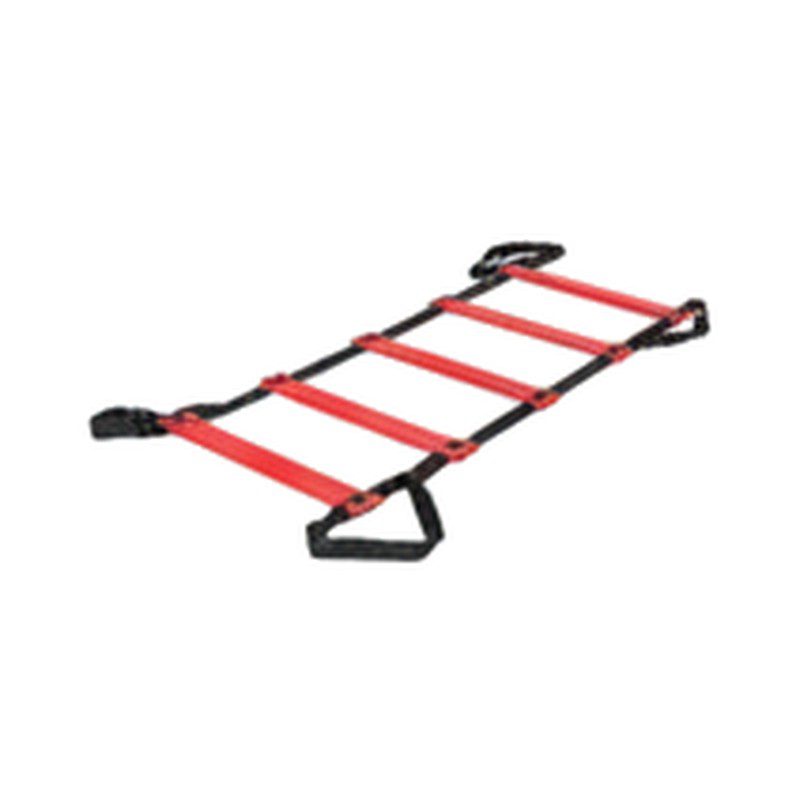
Speed Agility Ladder
Assess the flexibility of the rungs and the grip quality on your intended floor surface.
COMPARE OPTIONS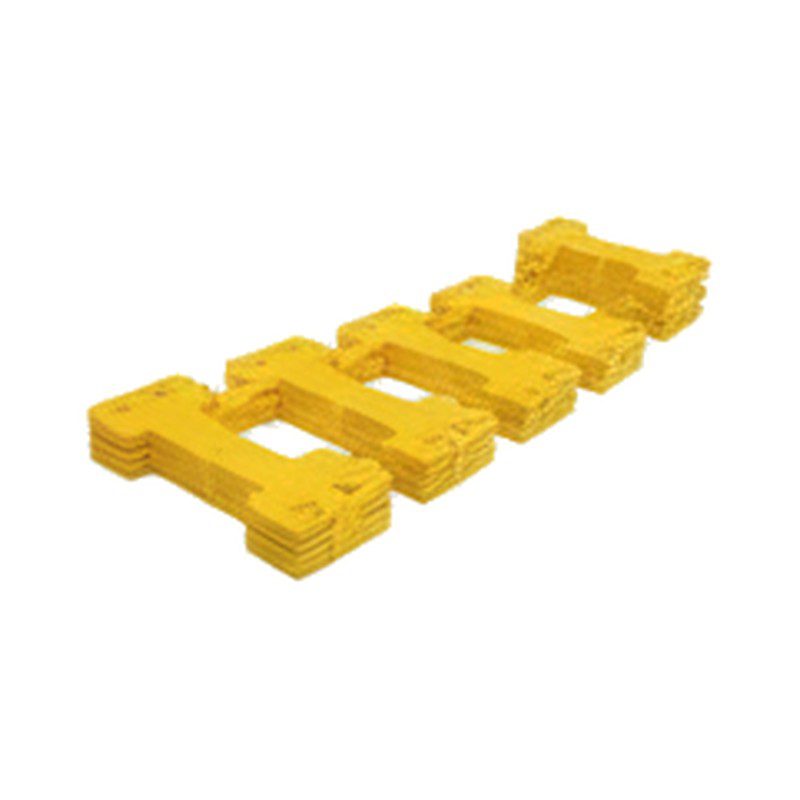
Rigid Agility Ladder
Examine the material thickness and the connection points between the rungs and the side rails.
COMPARE OPTIONS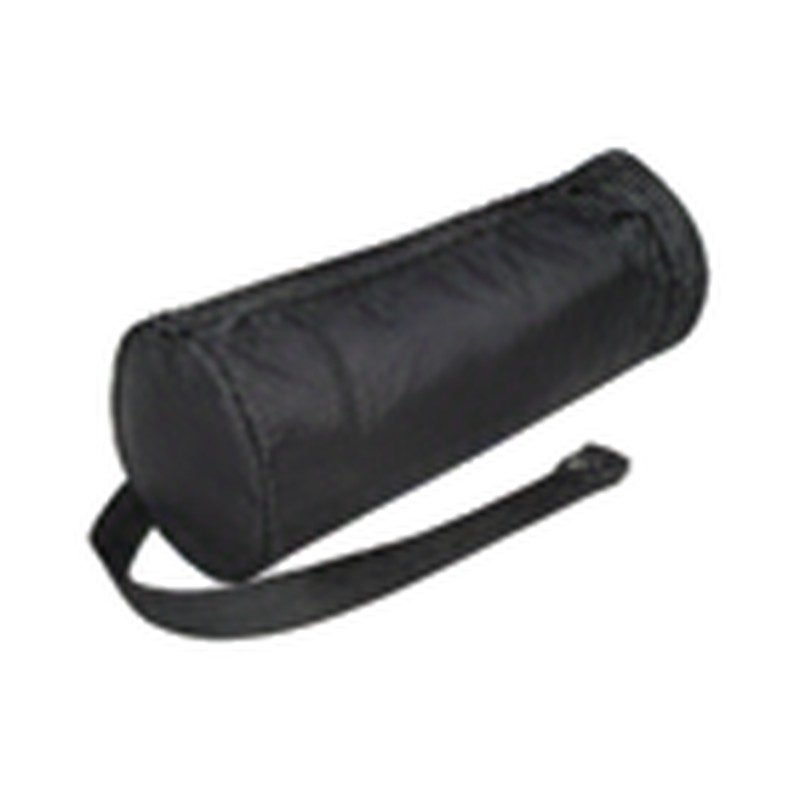
Carry Bag Agility Ladder
Look for weather resistant materials if you plan to use the ladder in outdoor garden spaces.
COMPARE OPTIONSBefore Choosing
- Verify the ladder material is suitable for your chosen indoor or outdoor floor surface.
- Ensure the total length provides enough room for your specific footwork drill requirements.
- Check for adjustable rungs if you need to customise the grid for different users.
- Confirm that a carry bag is provided to keep the straps tangle free during storage.
Questions Shoppers Ask
Do Agility Ladders Work For Improving Speed?
Yes, they help by training your brain and muscles to perform rapid, precise movements. By consistently practising footwork patterns, you can increase the speed at which you transition between steps. This improved efficiency often translates to faster movement in other physical activities.
How Long Are Agility Ladders Typically?
Lengths vary significantly depending on the model and the number of rungs. Most standard versions range from a few metres to several metres long. Always check the listing to ensure the length matches your available floor space and your specific training needs.
Are Agility Ladders Good For Everyone?
These tools are suitable for people of various fitness levels who want to improve their coordination. Because you can control the pace and complexity of the drills, they are adaptable for beginners and experienced athletes alike. They offer a versatile way to challenge your movement skills.
What Are Agility Ladders Good For In Fitness?
They are primarily used to develop agility, balance, and foot control. Beyond these benefits, they serve as a dynamic way to increase your heart rate during a workout. They help build better functional movement patterns that support overall athletic performance and daily mobility.
Can You Use Agility Ladders On Grass?
Yes, many models are designed for outdoor use on grass or synthetic turf. It is helpful to use ground pegs to keep the ladder secure and flat against the surface. Ensure the area is clear of debris to maintain a safe training environment.
Are Agility Ladders Worth It For Beginners?
They are an excellent investment for beginners due to their low cost and high utility. The simple design allows you to start training immediately without complex setup. They provide a clear framework for learning fundamental movement patterns that benefit all types of exercise.