
Find the ideal device to monitor daily movement and reach your wellness goals with this complete guide for the UK.
Read More
An activity tracker is a wearable electronic device designed to monitor your daily physical movement, step count, and sleep patterns automatically. Most models sync with a smartphone application to display your health statistics and help you set personal wellness goals.
What Is A Fitness Tracker
These wearable devices record daily steps and movement patterns automatically. Many buyers wonder what activity tracker features matter most for daily health logging.
How To Choose Fitness Tracker
Look closely at battery longevity and screen clarity before making a final choice. Consider which fitness tracker fits your wrist comfortably throughout the entire day.
Are Fitness Tracker Accurate
Step counts and heart rate readings provide a useful general overview of daily exertion. Check the listing details to understand the specific sensor capabilities of each model.
How To Set Up Activity Tracker
Most devices pair quickly with smartphone applications via wireless technology. Read the manufacturer instructions carefully to understand how to set fitness tracker time and user profiles.
Water Resistance Ratings Explained
Many buyers wear their wristband while swimming or in the shower without checking the specification first. Manufacturers use terms like ATM ratings or metres, but these do not always mean you can dive deep underwater. A three ATM rating handles rain and splashes, while five ATM allows for surface swimming in a local pool. Saltwater and hot showers can damage internal seals over time, regardless of the official waterproof rating. Always rinse your device in clean tap water after a swim in the sea. Check the manual for specific guidance before taking your tech into the water. Proper care extends the functional lifespan of your wearable significantly.
Battery Life And Charging Habits
Daily charging frustrates many users who want continuous data collection throughout the night. Basic models often run for over a week on a single charge because they lack power hungry features. Advanced colour screens and constant satellite tracking drain the internal battery much faster, sometimes within twenty four hours. Magnetic charging cables make topping up simple, but losing the proprietary cord causes major headaches. Consider whether you prefer a quick twenty minute daily charge while showering or a weekly top up. Turning off continuous heart rate monitoring or lowering screen brightness helps preserve battery capacity during busy work weeks.
Syncing Data With Smartphone Apps
Your wearable relies on a companion mobile application to display detailed graphs, trends, and historical logs. Bluetooth connectivity links the wristband to your phone, transferring steps, sleep stages, and workout summaries automatically. Make sure your smartphone operating system meets the minimum software requirements before purchasing any new device. Some apps require an active internet connection to back up data to cloud servers safely. Permissions settings matter greatly, as the software needs background access to maintain a steady connection. Explore the app layout beforehand to ensure the dashboard presents your daily metrics in a clear, easy to read format.
Sleep Tracking And Recovery Insights
Modern devices monitor your nocturnal rest by detecting movement and measuring pulse rate variability through the night. The companion app breaks your slumber down into light, deep, and REM stages to highlight sleep quality. While these insights cannot diagnose medical conditions, they help identify patterns related to late caffeine intake or stress. Comfortable strap materials are essential for night wear, as bulky hardware disrupts your rest. Keep the band snug but not overly tight to ensure the optical sensors maintain skin contact. Reviewing weekly sleep trends helps you adjust your evening routine for better daytime alertness.
Smart Notifications On Your Wrist
Receiving text messages, calendar reminders, and call alerts directly on your wrist keeps you informed during meetings. You can customise which applications are allowed to buzz your wrist, preventing constant digital interruptions throughout the day. Replying to messages usually requires tapping predefined quick responses or using simple voice dictation features. Keep in mind that enabling constant notifications reduces overall battery longevity between charges. Screen size dictates how much text you can read without scrolling through long messages. Balance the convenience of instant alerts with your desire for uninterrupted focus during working hours.
Interpreting Daily Step Goals
Reaching a daily step target helps build consistent walking habits throughout the week. Most wrist devices use internal motion sensors to register periodic arm swings and translate them into footsteps. These counts provide a helpful baseline for measuring general movement rather than an exact measurement of distance. Modern software often suggests personalised targets based on your historical activity patterns. You can view progress bars directly on the display screen to stay motivated during long working hours. Consistent movement breaks support better physical wellbeing and keep your energy levels steady. Checking historical weekly averages reveals whether your routine remains balanced over time.
Heart Rate Monitoring Features
Continuous optical sensors on the underside of the device track your pulse throughout the day and night. Light emitting diodes shine through the skin to measure blood flow changes in your wrist capillaries. This constant stream of data highlights resting heart rates and reveals how your body responds to physical exertion. During brisk walks or gym sessions, monitoring these readings helps you stay within targeted exertion zones. Software dashboards display detailed graphs showing daily pulse fluctuations and recovery periods. While wrist based optical sensors offer great general insights, they serve as a wellness guide rather than a medical diagnostic tool. Understanding these physiological patterns allows you to pace your daily routines more effectively.
Products To Compare

Slim Activity Bands
Shoppers often ask what activity tracker works best under tight shirt cuffs.
COMPARE OPTIONS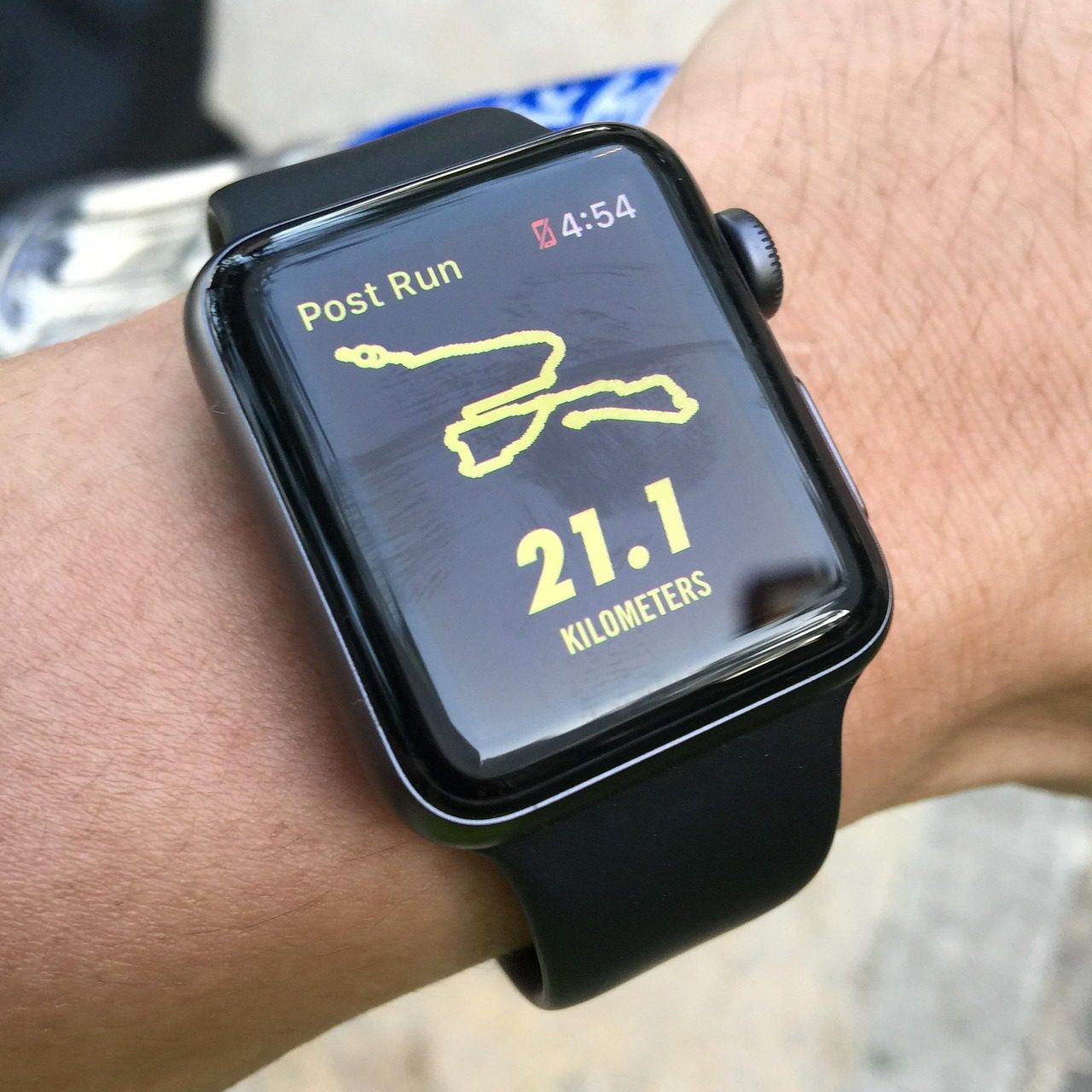
GPS Fitness Trackers
Verify whether built-in satellite mapping is included when learning how to choose fitness tracker options.
COMPARE OPTIONS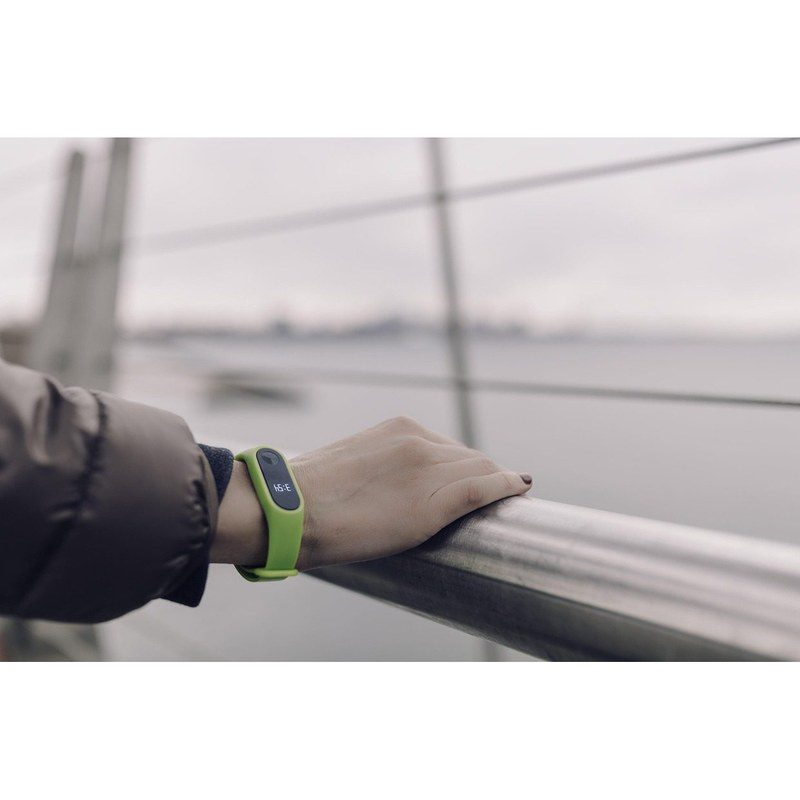
Children Activity Trackers
Look for durable strap materials and simplified companion applications for younger users.
COMPARE OPTIONS
Apple Watch Activity Rings
Compare the listed size, the build and what is included with these apple-watch-activity-rings.
COMPARE OPTIONSBefore Choosing
- Confirm smartphone operating system compatibility before purchase
- Check battery endurance figures stated by the manufacturer
- Review companion application features and subscription requirements
- Inspect strap material quality and fastening security
Questions Shoppers Ask
What Activity Tracker Should You Buy?
Choose a model that matches your preferred wrist style and includes the specific health metrics you want to monitor daily.
Do I Need Fitness Tracker Devices?
You might want one if you are trying to increase your daily walking habits and monitor your nightly rest quality.
How Do I Set Fitness Tracker Time?
Most wrist devices automatically update their clock time once they pair successfully with your mobile phone application.
What Are Activity Trackers Capable Of Monitoring?
They typically record daily steps, active minutes, and estimated calorie burn alongside continuous heart rate data.