
Choosing the right equipment from the various balance boards types explained here helps you find a stable platform for your specific home fitness requirements.
Read More
Balance boards are platforms designed to create instability, forcing you to engage muscles to remain upright. Types vary from simple rockers that tilt in one direction to wobble boards that move in all directions, and roller boards that require managing a separate cylinder. Choose based on your experience level and goals.
Which Rocker Balance Boards Are Best For Beginners?
Rocker style boards typically move along a single axis, providing a controlled and predictable motion for those just starting out. These units feature a curved base that allows for side to side or front to back tilting. Beginners often find this design easier to manage because the movement is limited to one direction at a time. When looking at these options, check the listing to determine the angle of the tilt and the material of the base. Some models include a textured surface to improve traction, which is helpful if you are wearing trainers or using them barefoot. Consider the length of the board, as a longer deck often provides a wider stance. This stability makes them a popular choice for those who want to practice controlled movements without the complexity of multi directional instability.
Wobble Balance Boards Vs Rocker Balance Boards
Wobble boards differ from rockers because they usually feature a spherical or hemispherical pivot point underneath. This design allows the board to tilt in any direction, creating a three hundred and sixty degree range of movement. This creates a more dynamic experience compared to the linear motion of a rocker. If you are deciding between these two, consider the surface area of the base. A wider base often provides a slightly more forgiving experience, while a smaller pivot point increases the difficulty. Always check the listing for the height of the pivot point, as this directly influences how far the board can tilt before touching the floor. If you prefer a challenge that engages various muscle groups simultaneously, the omnidirectional movement of a wobble board is a distinct feature to consider.
Are Roller Balance Boards Better For Advanced Users?
Roller boards consist of a separate deck and a cylindrical roller. The board rests on top of the roller, meaning the user must manage both the balance of the board and the position of the roller underneath. This setup requires significant coordination because the roller can move independently across the floor. These are often favoured by those who have already mastered basic stationary boards. Check the listing to see if the roller has a textured surface or if it is made of a smooth material, as this affects how easily it glides. Some decks have stops on the underside to prevent the board from rolling off the cylinder entirely. This configuration is highly customisable, as you can often adjust the distance between the roller and the deck to change the difficulty level.
Which Inflatable Cushion Balance Boards Are Best For Stability?
Inflatable cushion boards offer a unique experience because they rely on air pressure to create instability. These are often circular or oval and can be adjusted by adding or removing air through a valve. By changing the internal pressure, you can alter how much the board yields under your weight. A firmer cushion provides a more stable base, while a softer one creates a more reactive surface. Check the listing for the maximum weight capacity and the type of material used for the outer shell. These are generally lower to the ground than wooden pivot boards, which can feel less intimidating. Because they are lightweight and flexible, they are easy to store in small spaces. They provide a different kind of feedback compared to rigid wooden or plastic decks, focusing on soft resistance.
How To Choose Between Plastic And Wooden Balance Boards
Material choice impacts both the durability and the feel of the board. Wooden boards are often prized for their rigid construction and natural aesthetic. They tend to provide a solid, non slip surface, especially when finished with grip tape or textured varnish. Plastic boards, on the other hand, are often lighter and sometimes more cost effective. They may feature moulded textures for grip rather than applied tapes. When assessing these, check the listing for the thickness of the material to get an idea of the build quality. A thicker board is less likely to flex under pressure. Consider where you will be using the board, as some materials might be more prone to scratching hard floors. Look for rubberised feet or edges on the bottom to protect your floor surfaces during use.
Are Large Oval Balance Boards Better For Standing Desks?
Large oval boards are frequently designed for those who spend long periods standing while working. The increased surface area allows for a wider stance, which can be more comfortable for extended sessions. These boards often have a more subtle curve, providing gentle movement rather than extreme instability. This allows you to shift your weight frequently without needing to focus entirely on maintaining your balance. When checking the listing, look for the total dimensions to ensure it fits comfortably within your workspace. Some models include a soft top layer for added comfort underfoot. These boards are typically built for durability, as they are intended for frequent use during the working day. They provide a way to keep your lower body active while you remain focused on your tasks, blending utility with physical engagement.
What Are The Benefits Of Balance Boards With Handles?
Some boards come with integrated handles or cutouts, which can serve multiple purposes. These handles make the board easier to carry or store, particularly if you move your equipment between rooms. Additionally, some users find that the cutouts allow them to incorporate the board into other types of floor movements, such as push ups or planks. By gripping the edges, you can use the board as a stable or unstable base for your upper body. When checking the listing, ensure the handles are ergonomically shaped and finished smoothly to prevent discomfort. Consider the position of the handles, as they should not interfere with your foot placement when you are standing on the board. This feature adds versatility to the equipment, allowing you to use it for a broader range of movements beyond just standing.
How To Maintain Your Balance Boards For Longevity
Proper care helps keep your equipment in good condition. If your board features grip tape, keep it clean by gently brushing away debris. For wooden boards, avoid exposing them to excessive moisture, as this can warp the material over time. If your board has a roller, ensure the surface of the roller remains clean to maintain consistent traction against the deck. Check the listing for any specific maintenance instructions provided by the manufacturer. Regularly inspect the underside of the board and the pivot point for signs of wear or loose components. If the board has rubber bumpers or feet, ensure these remain securely attached to prevent slipping. Keeping the board in a dry, temperate environment when not in use is one of the best ways to preserve the materials and ensure it remains functional for a long time.
Products To Compare
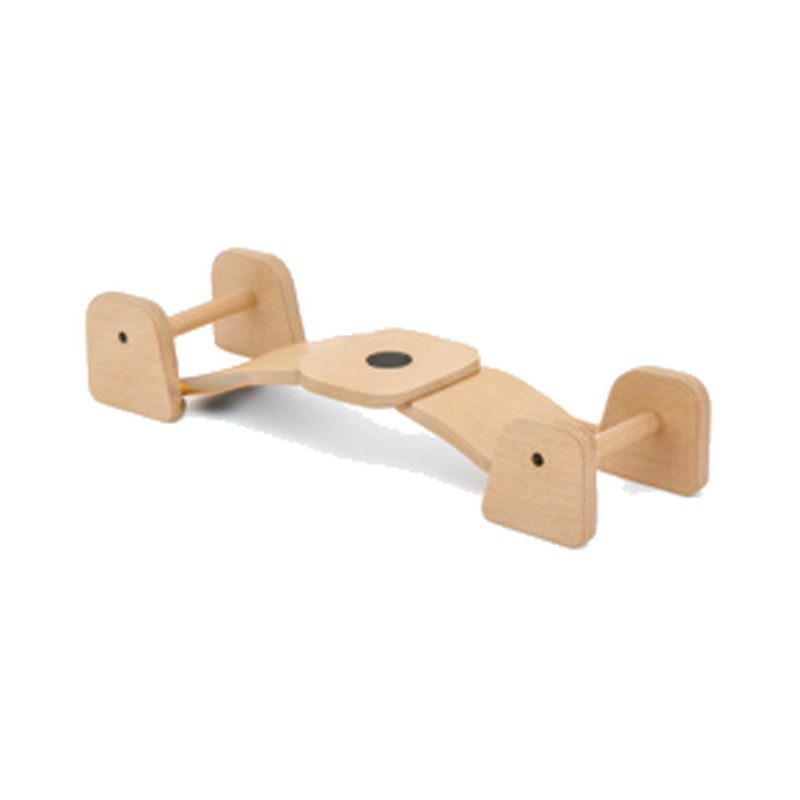
Adjustable Rocker Balance Board
Check the listing for the range of tilt angles and the locking mechanism for the base.
COMPARE OPTIONS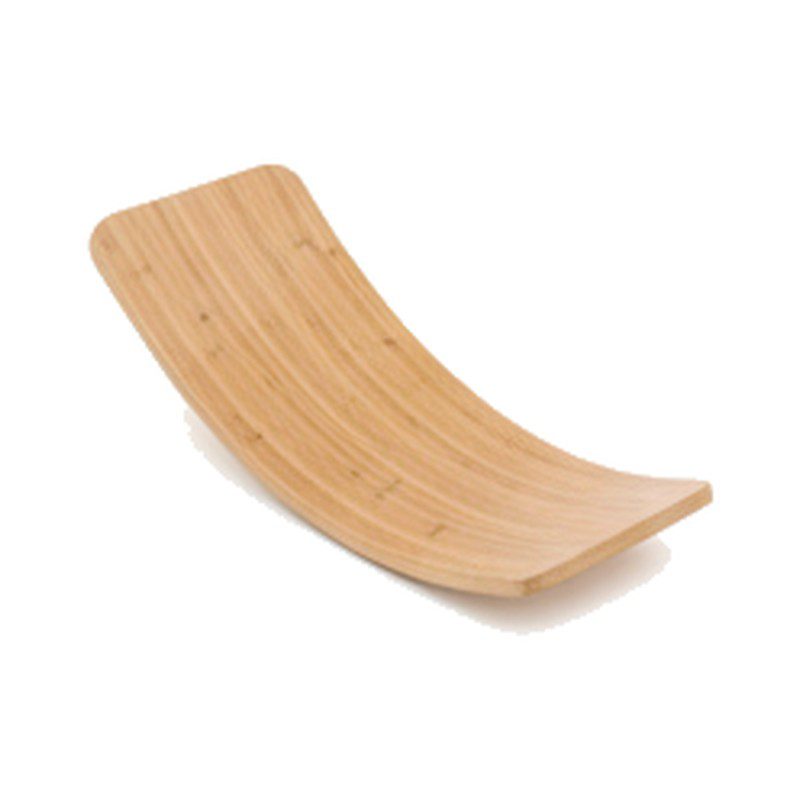
Bamboo Curved Balance Board
Verify the thickness of the bamboo layers and the finish of the top surface.
COMPARE OPTIONS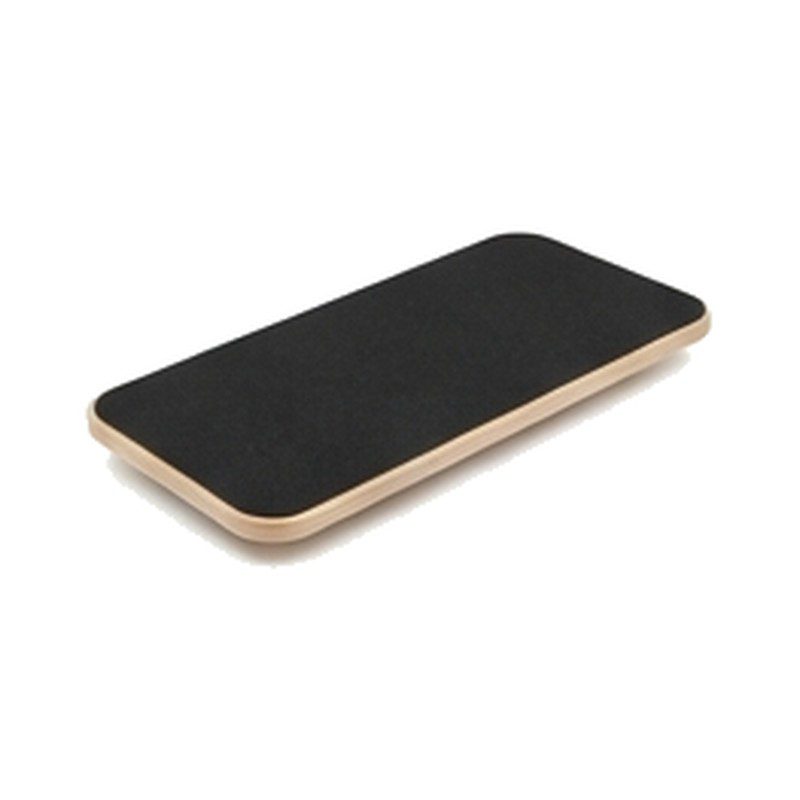
Foam Topped Balance Board
Confirm the density of the foam layer and the grip profile of the base.
COMPARE OPTIONS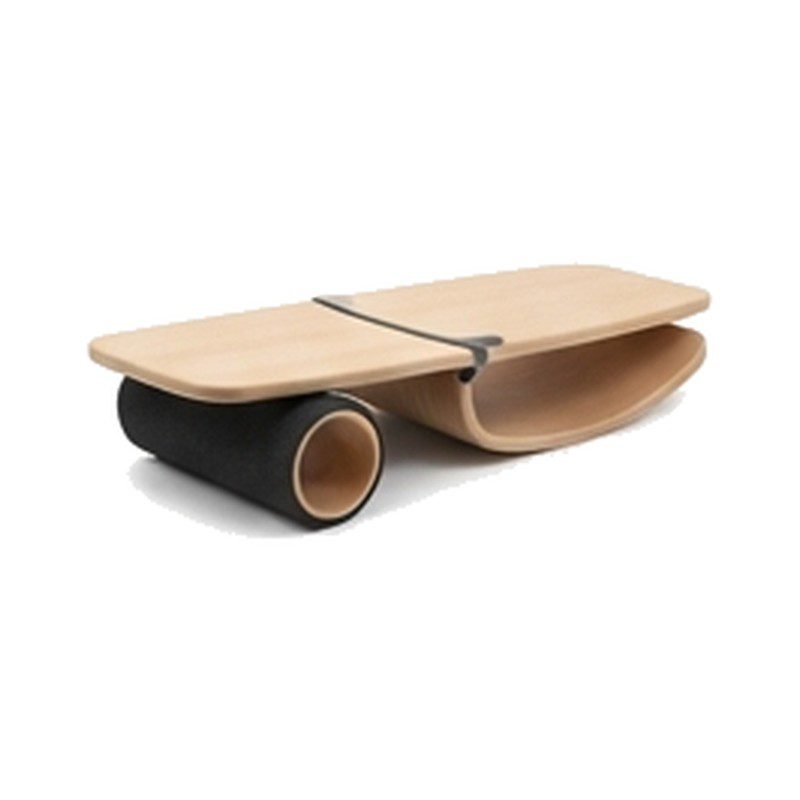
Roller And Board Balance Board
Check the length of the deck and the diameter of the roller cylinder.
COMPARE OPTIONS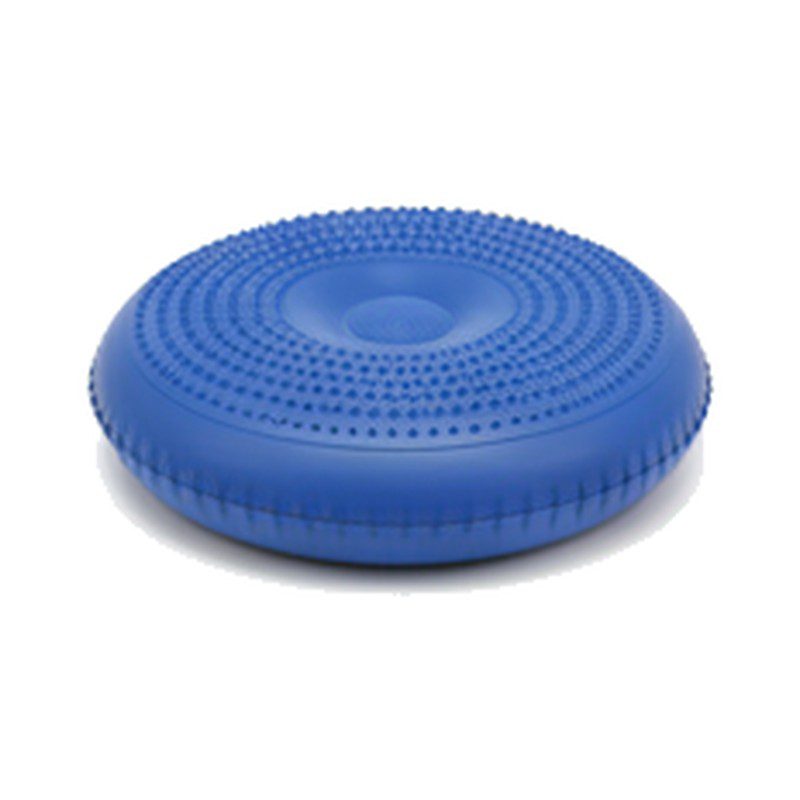
Inflatable Cushion Style Balance Board
Look for the included pump type and the maximum air pressure capacity.
COMPARE OPTIONS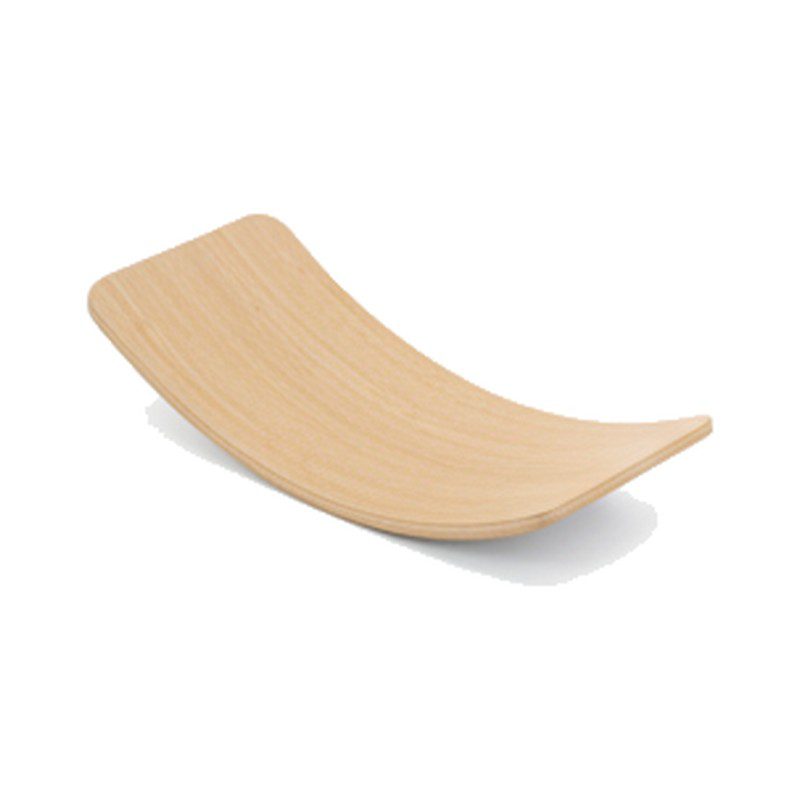
Large Oval Balance Board
Check the total length dimensions and the material of the standing surface.
COMPARE OPTIONS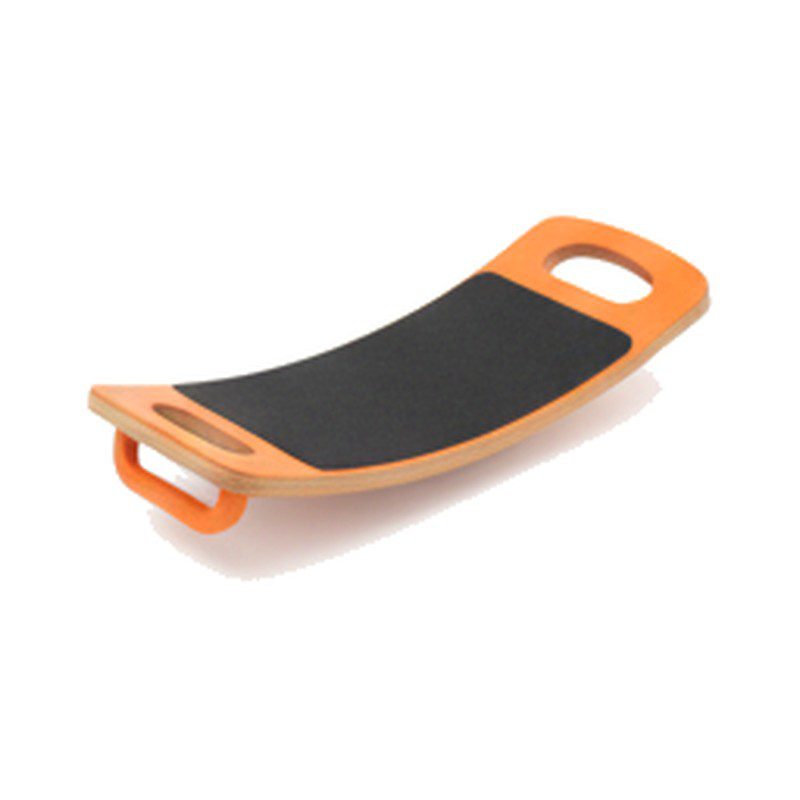
Orange Wobble With Handles Balance Board
Verify the handle placement and the pivot point material for durability.
COMPARE OPTIONS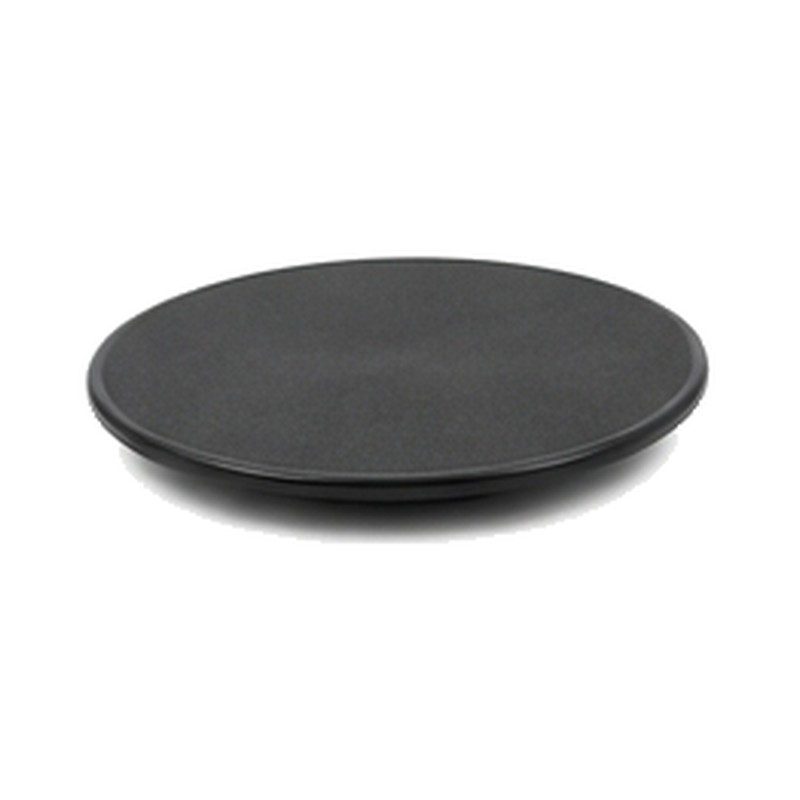
Plastic Wobble Balance Board
Check the weight limit and the texture of the standing platform.
COMPARE OPTIONS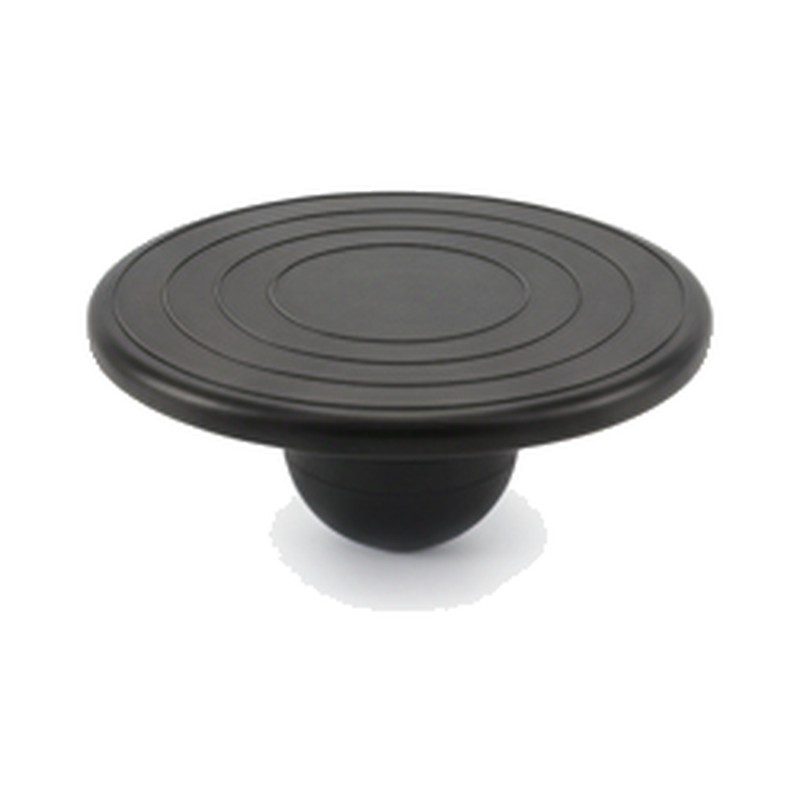
Round Wobble Balance Board
Confirm the height of the pivot point and the diameter of the base.
COMPARE OPTIONS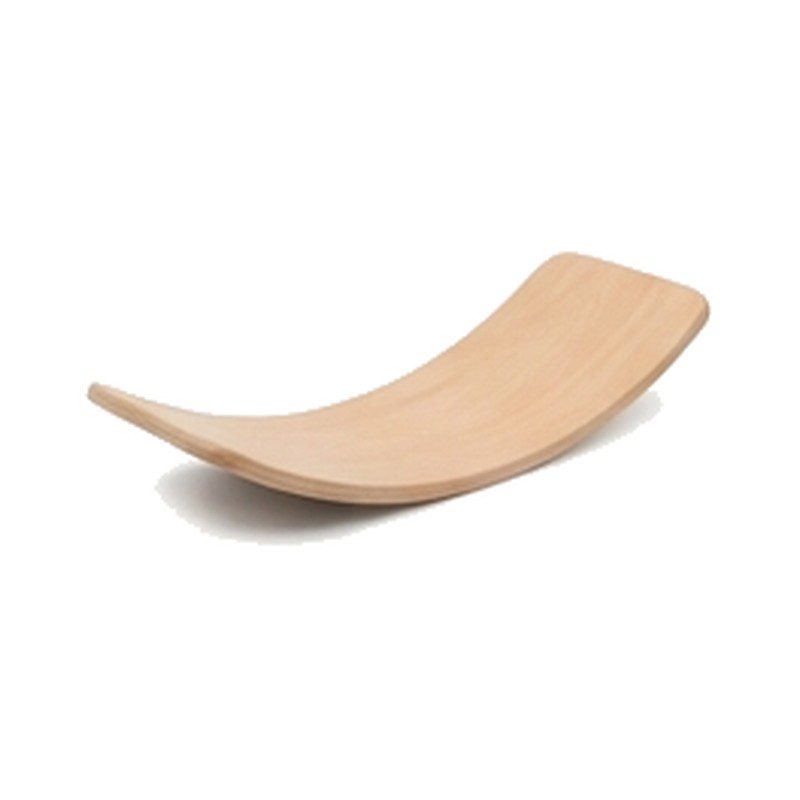
Wooden Rocker Balance Board
Check the wood type and the presence of non slip floor guards.
COMPARE OPTIONSBefore Choosing
- Verify the maximum weight capacity of the board matches your needs.
- Assess the surface texture to ensure it provides enough grip for your footwear.
- Check if the base material is suitable for your specific floor type.
- Confirm the dimensions allow for a comfortable stance width during use.
Questions Shoppers Ask
Are There Boards Specifically For Standing Desks?
Yes, some boards feature a wider, oval design that is intended for long periods of standing. These often have a more subtle curve to allow for gentle weight shifting. Check the listing for the total surface area to ensure it fits your desk space comfortably.
What Is The Difference Between Roller And Wobble Boards?
Wobble boards have a fixed pivot point underneath that allows for tilting in any direction. Roller boards use a separate cylinder that can move across the floor, requiring you to balance the deck on top. Each type offers a different level of challenge and movement style.
How Much Space Do You Need For A Balance Board?
You should have enough clear floor space to allow for the full range of motion of the board. It is important to have a buffer area around you to step off safely if needed. Check the listing for the dimensions of the board itself.
Do You Need Special Footwear For These Boards?
Most boards can be used barefoot or with trainers, depending on your preference and the surface of the board. Grip tape or textured plastic provides stability for both options. Always check the listing to see if the manufacturer recommends a specific type of footwear.
Which Board Type Is Best For Beginners?
Rocker boards are generally recommended for new users due to their single-axis movement. This restricted motion provides a more stable and predictable experience compared to multi-directional wobble boards. Beginners often find it easier to build confidence with the controlled side-to-side or front-to-back tilting action.