
Installing reliable floor anchors in your UK home gym provides a secure foundation for heavy training equipment, ensuring stability during every session.
Read More
Floor anchors are heavy duty hardware used to bolt gym equipment directly to the ground. They provide essential stability by preventing movement during intense training. You must choose an anchor type that matches your specific floor material, such as concrete or wood, to ensure a safe and secure installation every time.
What Are Floor Anchors And How Do They Work
Floor anchors act as essential hardware components designed to fasten gym equipment firmly to the ground. These devices create a rigid connection point that prevents movement, sliding, or tipping during intense training sessions. By utilising a mechanical bond, they transfer the force of your movements directly into the structural floor. Many individuals ask what are floor anchors in the context of home gym setups. They are typically comprised of heavy duty steel plates or eyelets that accept bolts or expansion fasteners. When you secure your equipment, you increase the overall footprint stability, which is vital for heavy lifting or resistance training. Understanding this fundamental concept allows you to choose hardware that matches your specific floor type and equipment layout, ensuring that your setup remains stationary regardless of the intensity of your daily training routine.
Are Ground Anchors Permanent Or Removable
The nature of ground anchors often depends on the specific hardware chosen for your home gym. Many heavy duty systems are designed for semi permanent or permanent installation, especially when they require drilling into concrete slabs. Once the expansion bolts are tightened, they grip the substrate with significant force, making them difficult to remove without appropriate tools. However, some variants allow for the removal of the top attachment point while leaving the embedded sleeve behind. This is a common design for those who need to clear floor space occasionally. If you require a flexible setup, you should check the listing for details on whether the anchoring system allows for easy detachment. Always consider the long term layout of your gym space before committing to a permanent installation that requires drilling into your existing floor surface.
How To Anchor To Concrete Floor Surfaces
Securing equipment to a concrete floor involves a precise process of drilling and mechanical fastening. You must first ensure that the concrete is of sufficient depth and quality to hold an expansion anchor without cracking. The installation typically requires a masonry drill bit that matches the diameter of the anchor bolt. After clearing the dust from the hole, you insert the anchor and tighten the nut or bolt head to expand the sleeve against the concrete walls. This creates a secure, high tension bond. If you are learning how to anchor to concrete floor areas, pay close attention to the manufacturer instructions regarding torque settings. Over tightening can damage the concrete, while under tightening may result in loose equipment. Always verify that the anchor is rated for the specific loads you intend to apply during your training.
Are Concrete Anchors The Same As Drywall Anchors
It is a common mistake to confuse concrete anchors with drywall anchors, as they serve entirely different purposes and structural requirements. Concrete anchors are engineered to withstand massive pull out forces and are made from hardened steel to grip dense, solid materials. In contrast, drywall anchors are designed for light duty applications in hollow walls, often relying on plastic expansion or toggle mechanisms that would fail instantly under the stress of gym equipment. Using the wrong type of anchor is a significant risk. If you are mounting equipment to a floor, you must strictly adhere to hardware specifically designed for masonry or solid substrates. Always check the listing to confirm that the hardware provided is intended for floor mounting applications, as using wall based fasteners on a floor is never appropriate for heavy fitness equipment.
How To Install Floor Anchors Safely
When you prepare to install floor anchors, planning is the most important phase of the project. Start by marking the exact positions on your floor, ensuring the layout aligns perfectly with the base plates of your gym gear. Use a level to confirm that the surface is flat, as uneven floors can put unnecessary stress on the anchor points. During the drilling process, use a vacuum to remove debris continuously, which helps the anchor sit flush against the floor. Once the anchors are in position, tighten them in a cross pattern to distribute the tension evenly across the base. If you are uncertain about the structural integrity of your floor, consult a professional. Proper installation ensures that your equipment remains stable, providing a consistent platform for your training without unwanted wobble or shifting.
Choosing The Best Floor Anchors For Your Bike
A floor anchor for bike setups is a popular choice for those using stationary bikes that involve aggressive pedalling or standing sprints. These bikes can develop significant lateral force, which often causes them to slide across smooth flooring. By using a multi point anchoring system, you can lock the frame in place effectively. When searching for the best ground anchors for this purpose, look for designs that offer a low profile to avoid tripping hazards. Some systems include quick release mechanisms that are perfect for bikes that might be moved between different rooms. Always verify the compatibility of the anchor plate with the base of your bike model. A well anchored bike provides a more responsive feel, allowing you to focus entirely on your performance without worrying about the machine moving out of position.
Understanding Floor Anchor Sizes And Load Ratings
Floor anchor sizes vary significantly, ranging from small diameter bolts for light frames to large, heavy duty systems for massive racks. Choosing the correct size is essential for both the structural integrity of your floor and the safety of your equipment. A larger diameter bolt generally provides higher shear strength, but it also requires a larger hole in your floor. Additionally, consider the load rating of the anchor. This value indicates the maximum force the anchor can withstand before failure. You should always select hardware that exceeds the expected forces generated by your heaviest equipment. Check the listing for detailed dimensions and weight capacity specifications. Matching these numbers to the requirements of your gym gear ensures that your investment remains secure and that your floor maintains its integrity over many years of use.
Utilising Floor Mat Anchors For Stability
If you use large gym mats, you might find that they slide or bunch up during intense activity. Floor mat anchors are designed to keep these protective surfaces flat and stationary. These systems often work by securing the corners or edges of the mat to the subfloor through small, discreet mounting points. This is particularly useful for roll out mats or heavy rubber flooring that needs to stay perfectly aligned. When looking for these, consider the thickness of your mats, as the anchor must be able to accommodate the material without creating a bump. Proper mat anchoring keeps your training area tidy and prevents potential tripping, creating a professional environment that feels solid underfoot. Ensure that the anchors you choose are compatible with your specific floor mat thickness and material composition.
Products To Compare
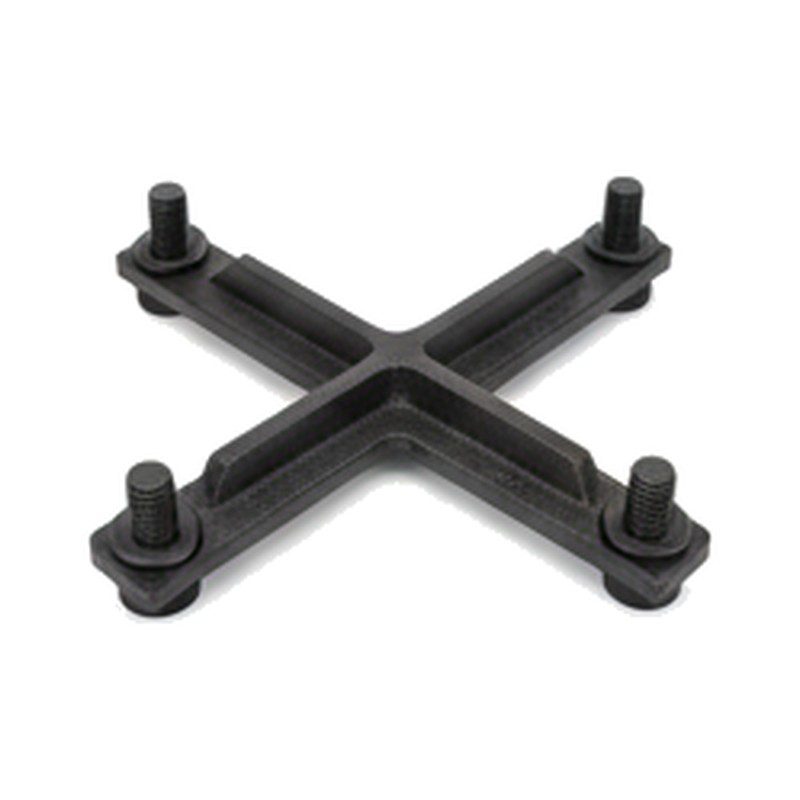
Heavy Duty Steel Floor Anchors
Check the bolt diameter and the steel plate thickness for maximum pull strength.
COMPARE OPTIONS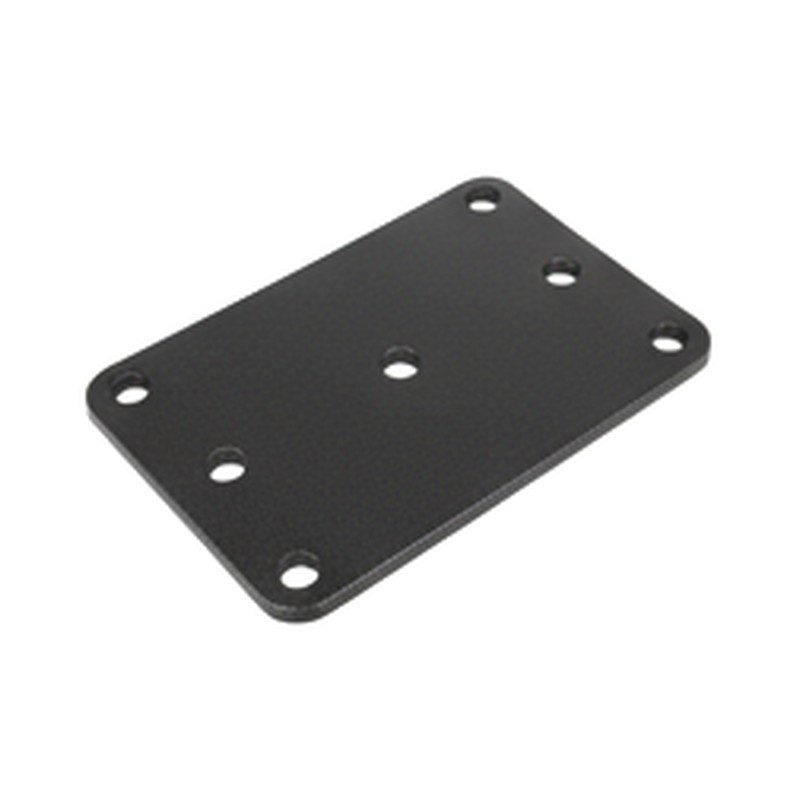
Powder Coated Floor Anchors
Verify the powder coating finish and the total number of mounting holes.
COMPARE OPTIONS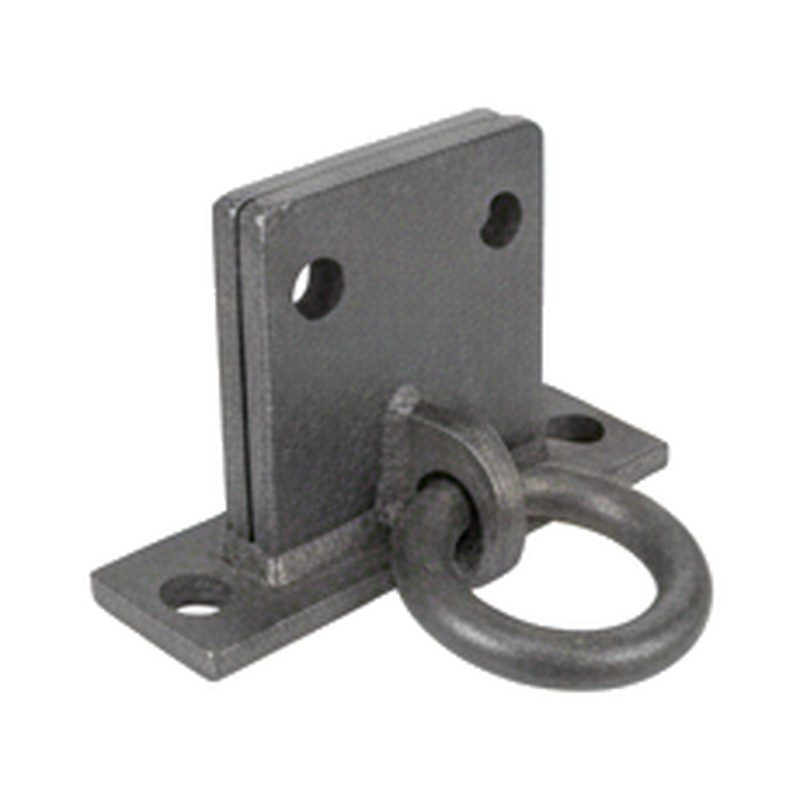
Industrial Strength Floor Anchors
Assess the load capacity rating and the recommended drill bit size for installation.
COMPARE OPTIONS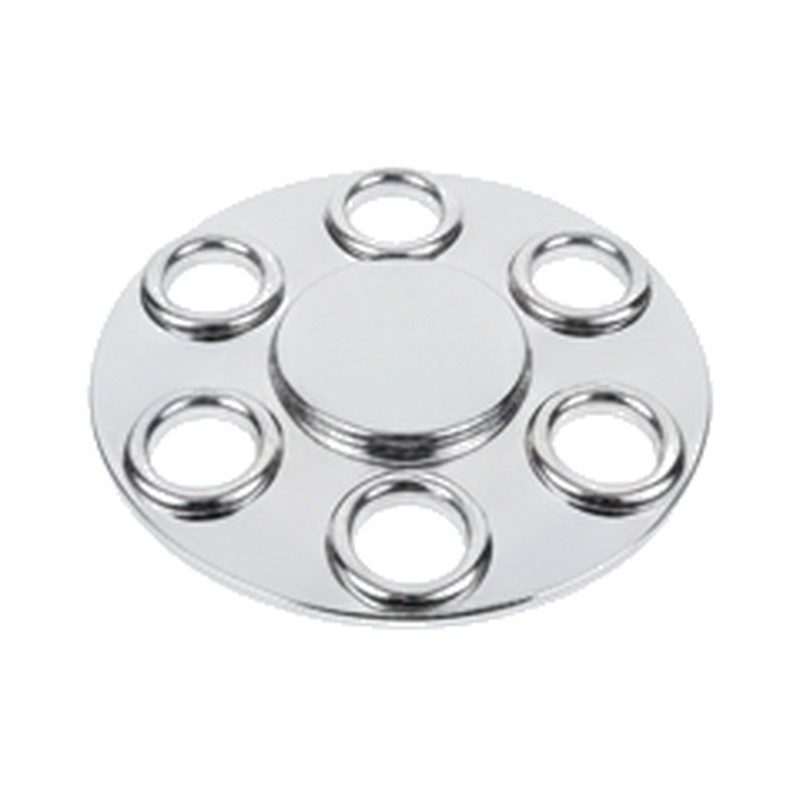
Multi Point Floor Anchors
Confirm the distance between eyelets and the total width of the base plate.
COMPARE OPTIONS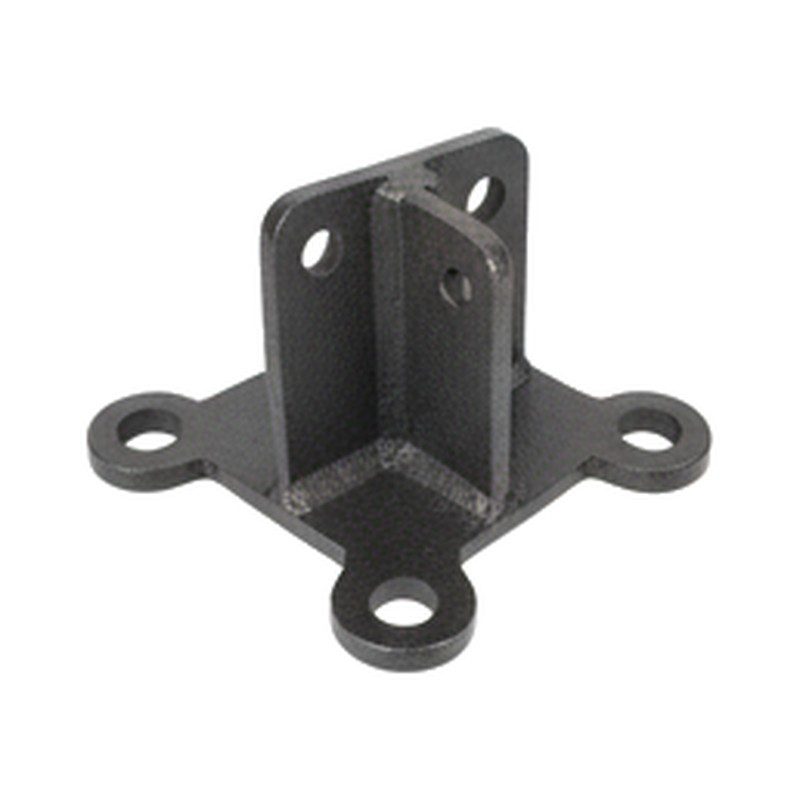
Heavy Duty Bolt Down Floor Anchors
Review the expansion bolt length and the compatibility with concrete floor surfaces.
COMPARE OPTIONS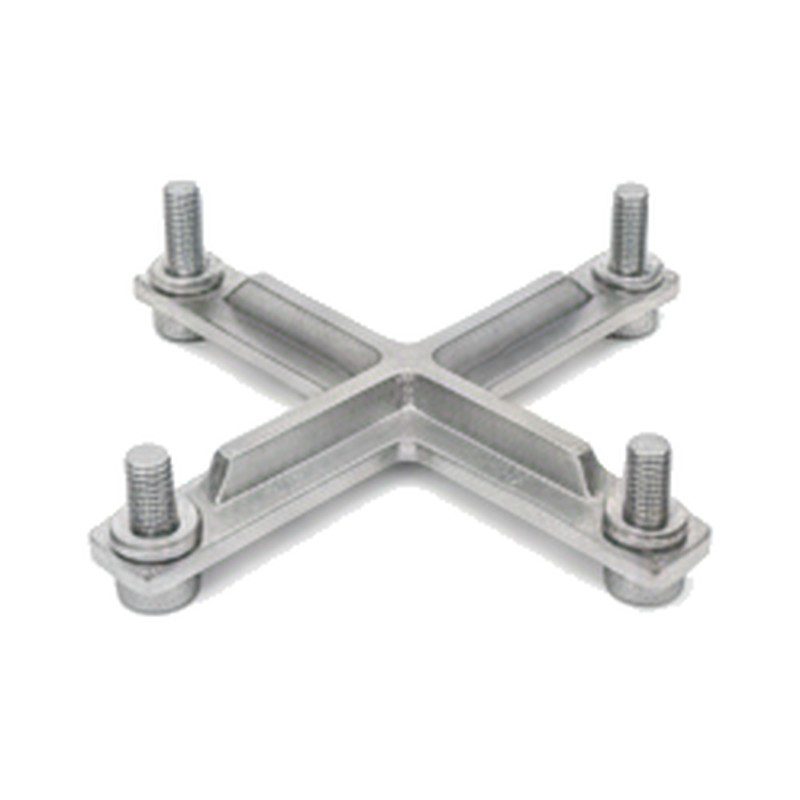
X Frame Floor Anchors
Check the arm length and the total footprint size for your specific equipment.
COMPARE OPTIONS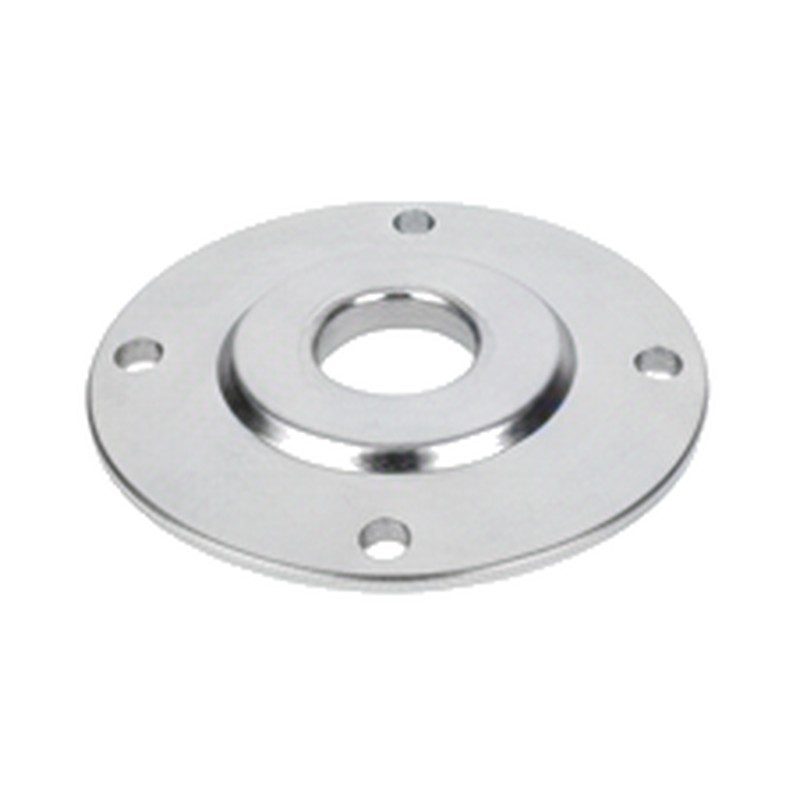
Ceiling Mount Floor Anchors
Examine the swivel range and the weight limit for overhead suspension setups.
COMPARE OPTIONS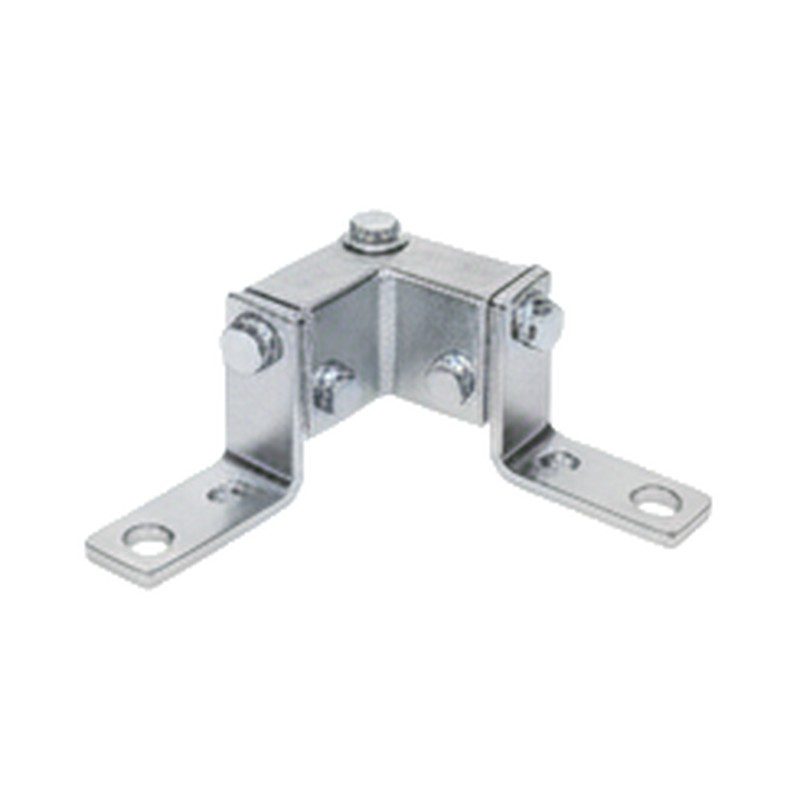
Wall And Ceiling Floor Anchors
Verify the material density requirements and the included fixing hardware kit.
COMPARE OPTIONSBefore Choosing
- Verify that your floor surface is solid concrete or timber before purchasing.
- Measure the base plate of your equipment to ensure the anchor holes align correctly.
- Check that you possess the correct masonry drill bits for your specific anchor type.
- Confirm that the load rating of the anchor exceeds the maximum force of your gear.
Questions Shoppers Ask
What Is The Best Way To Anchor To Concrete?
The most effective method involves using expansion bolts designed for masonry. You must drill a hole of the exact specified diameter, clean all dust from the hole, and then tighten the bolt to expand the anchor against the concrete walls. This creates a permanent, high strength connection for your equipment.
Are Ground Anchors Suitable For Wood Floors?
Ground anchors can be used on wood floors, but you must use appropriate lag screws or wood bolts instead of concrete expansion anchors. Ensure you are fixing into a solid structural joist rather than just the floorboards. Always check the listing for hardware specifically rated for timber applications to ensure safety.
How Do I Choose The Right Floor Anchor Sizes?
Select sizes based on the bolt diameter required by your equipment base and the thickness of your floor. Larger bolts offer higher shear strength for heavy racks, while smaller anchors may suffice for lighter items. Always verify the manufacturer's suggested bolt diameter before drilling any holes into your gym floor.
Can I Use Floor Anchors For Bikes?
Yes, floor anchors are excellent for stationary bikes to prevent sliding during high intensity sessions. Choose a low profile anchor that sits flush with the floor to avoid tripping. Ensure the anchor plate aligns with the bike frame mounting points for a secure and stable training experience every time.
Do I Need Professional Help To Install Floor Anchors?
Installation is generally manageable for those comfortable with power tools, provided you follow the instructions carefully. Proper installation is critical for the stability of your gym.
What Is The Difference Between Ground And Concrete Anchors?
Ground anchors is a general term for any hardware securing items to the earth or floor, while concrete anchors are specific mechanical fasteners designed for masonry. Always confirm that your chosen hardware is explicitly rated for the floor surface you have. Using the wrong type of anchor can lead to failure.