
Improve your core focus and floor stability by choosing the right equipment from this comprehensive UK buyer guide for your home gym setup.
Read More
A balance board is a simple yet effective tool for improving your stability and core engagement. By creating an unstable platform, it forces your body to make constant adjustments. Choose a board based on your skill level, focusing on the pivot type, deck size, and surface grip for your needs.
Which Balance Board Is Best For Beginners?
Starting with a circular wobble design provides a predictable movement pattern for your initial sessions. Beginners often benefit from boards that offer a moderate tilt angle rather than extreme instability. Look for surfaces that provide sufficient friction to keep your feet positioned correctly during use. The base material often dictates how the board reacts to floor surfaces, so consider if you are placing the item on hard flooring or carpeted areas. Some models include extra grip textures which assist in maintaining your position. Check the listing for details regarding the central pivot point, as this component determines the range of motion available. A stable foundation is essential when you are learning to manage your centre of gravity. Keep your movements controlled and deliberate as you familiarise yourself with the tilt response of your chosen board.
Are Balance Boards Helpful For Daily Focus?
Integrating a stability tool into your workspace or gym area can provide a dynamic element to your routine. These boards encourage active engagement of the lower body while you maintain an upright position. Many users find that the slight adjustments required to stay centred help them stay alert during long periods of standing. When selecting a board for this purpose, consider the overall footprint and whether it fits easily under your desk or storage area. The materials used in construction range from sturdy wood to high density plastics, each offering a different tactile experience. Ensure the base is compatible with your flooring to prevent unwanted sliding. By keeping your lower limbs active, you create a more varied environment for your daily activities. Always verify the surface finish to ensure it meets your preference for grip and comfort.
How To Choose A Wobble Board For Your Space?
Selecting the right board involves considering the available floor area and the type of movement you wish to explore. A circular board offers multidirectional tilt, which challenges your balance in all directions simultaneously. Conversely, a rocker style board provides a linear motion that is often easier to master if you are just starting out. Evaluate the height of the pivot point, as a higher point usually increases the difficulty level. Consider the weight limit of the board to ensure it supports your requirements during use. The surface material is another vital factor; wooden finishes offer a traditional feel, while textured plastic options might provide more consistent grip. Look for boards that feature a low profile for easier storage when not in use. Always assess the build quality of the base connection points.
Are Balance Boards Effective For Skill Practice?
Advanced users often seek boards that allow for a greater range of motion and more complex movement patterns. Roller based systems, where the deck is separate from the base cylinder, offer a high level of freedom. This setup allows for side to side movement that mimics various board sports. When choosing these systems, the length and width of the deck are important for your comfort and stance. The diameter of the roller also impacts the difficulty; a larger roller typically creates a steeper angle. Check the listing for the inclusion of safety stops or bumpers if you are concerned about the board moving too far. These components can provide extra confidence as you refine your technique. High quality materials are necessary to withstand the forces generated during more vigorous practice sessions on these dynamic platforms.
Do Balance Boards Really Work For Core Engagement?
The primary function of any stability board is to introduce an unstable surface that forces your body to react. This constant adjustment helps you become more aware of your posture and alignment. By using a board, you are effectively creating a platform that requires constant micro movements to stay level. Different designs offer varied levels of challenge, from simple wobble discs to complex rocker systems. The key is to find a board that matches your current skill level so you can progress at a comfortable pace. Consider the width of the board, as a wider platform provides more room for your feet, which can assist in finding a stable stance. The overall durability of the board is also a factor, as it will be subject to repetitive motion and pressure.
What Are Balance Boards For In A Home Gym?
A balance board serves as a versatile addition to any home training area, offering a way to introduce instability into your routine. These tools are designed to isolate specific muscle groups by forcing them to work together to maintain equilibrium. Whether you are using a simple wobble board or a more advanced roller system, the goal is to improve your command over your body position. When setting up your space, ensure you have enough clearance around the board to move freely without obstruction. The surface you place the board on is critical; a mat might be required to protect your floors and provide a stable base for the board to grip. Always inspect the board for any signs of wear on the pivot point to ensure it continues to function as intended.
Are Balance Boards Good For You Long Term?
Consistency is important when incorporating any new piece of equipment into your lifestyle. Using a balance board regularly can help you develop a better sense of coordination over time. As you become more proficient, you might explore different types of boards to keep your routine engaging. The variety of designs available means there is likely a model that suits your specific requirements, whether you prefer a simple rocker or a complex roller system. Consider the maintenance needs of your board, such as cleaning the surface or checking that the base remains secure. A well maintained board will continue to provide a reliable surface for your practice. Focus on quality materials that offer a long service life, ensuring that your investment continues to support your goals for many years to come.
How To Set Up A Balance Board Correctly?
Proper setup begins with choosing a flat, clear area where you have enough room to move. If you are using a board on a hard floor, a thin mat can prevent the base from slipping and protect your flooring from scuffs. Ensure the pivot point is clean and free of debris, as this can affect how smoothly the board tilts. If your board has adjustable components, take the time to configure them before you start. For roller systems, ensure the roller is positioned correctly under the deck before you step on. Always start slowly, holding onto a nearby support if necessary, until you feel confident with the board movement. By taking these simple steps, you create a safe and effective environment for your sessions. Regularly check all components to ensure they remain in good condition.
Products To Compare
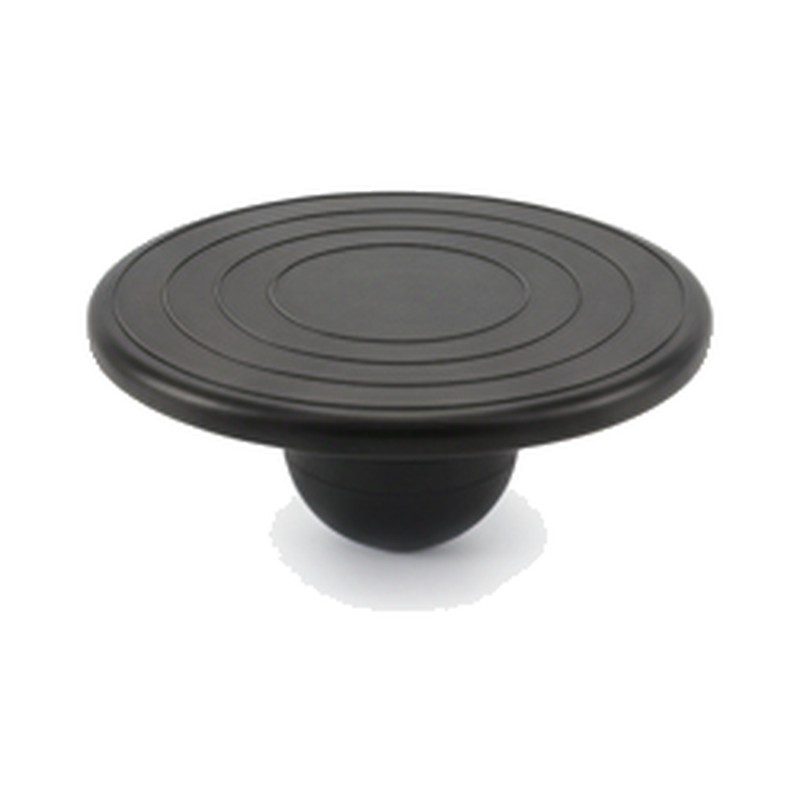
Round Wobble Balance Board
Verify the pivot height and surface texture for optimal grip.
COMPARE OPTIONS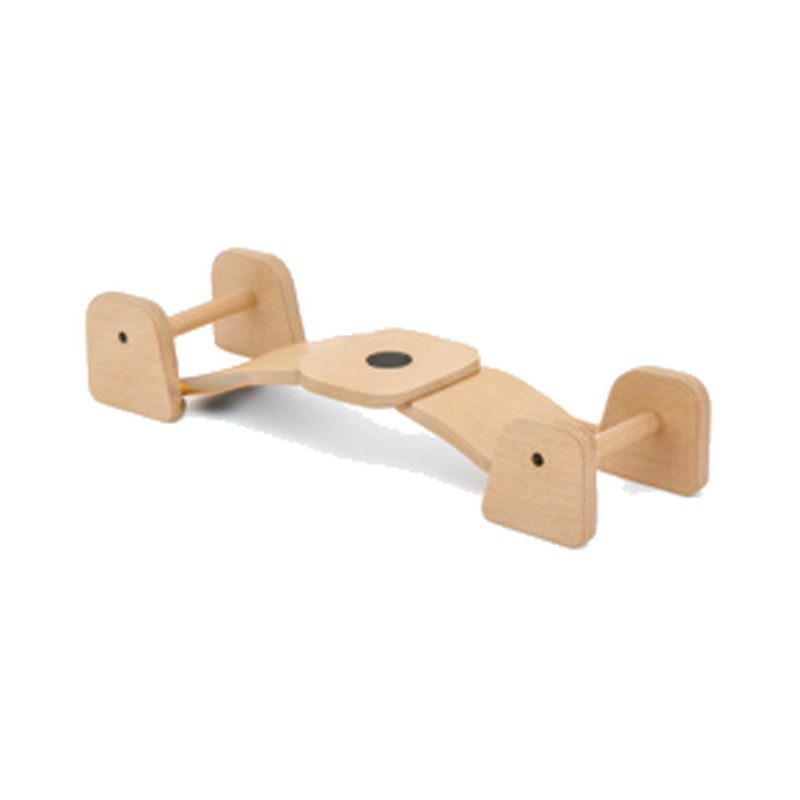
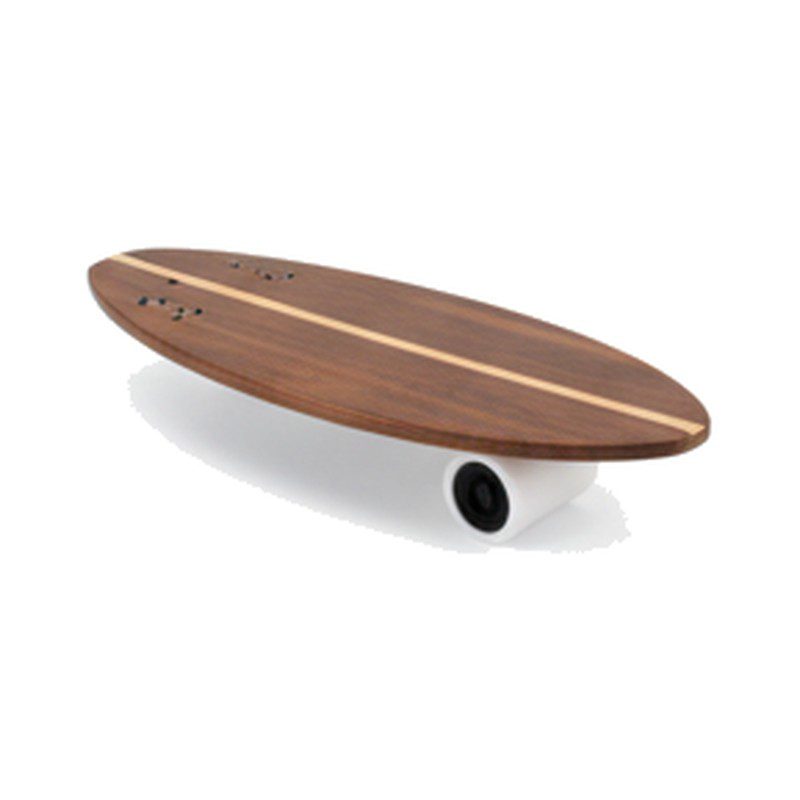
Surf Training Balance Board
Check the deck length and roller diameter for your stance.
COMPARE OPTIONS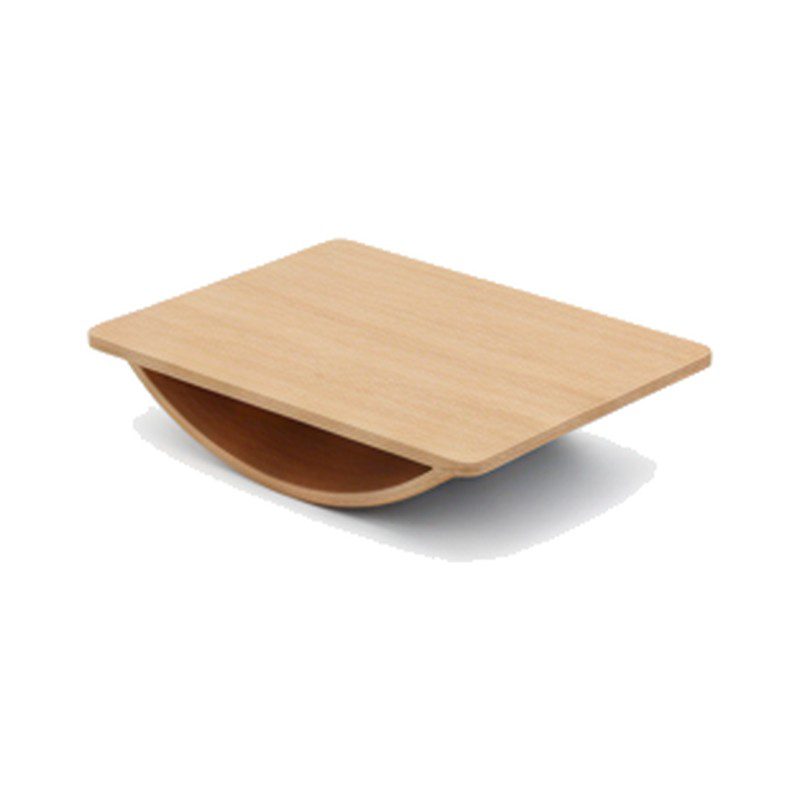
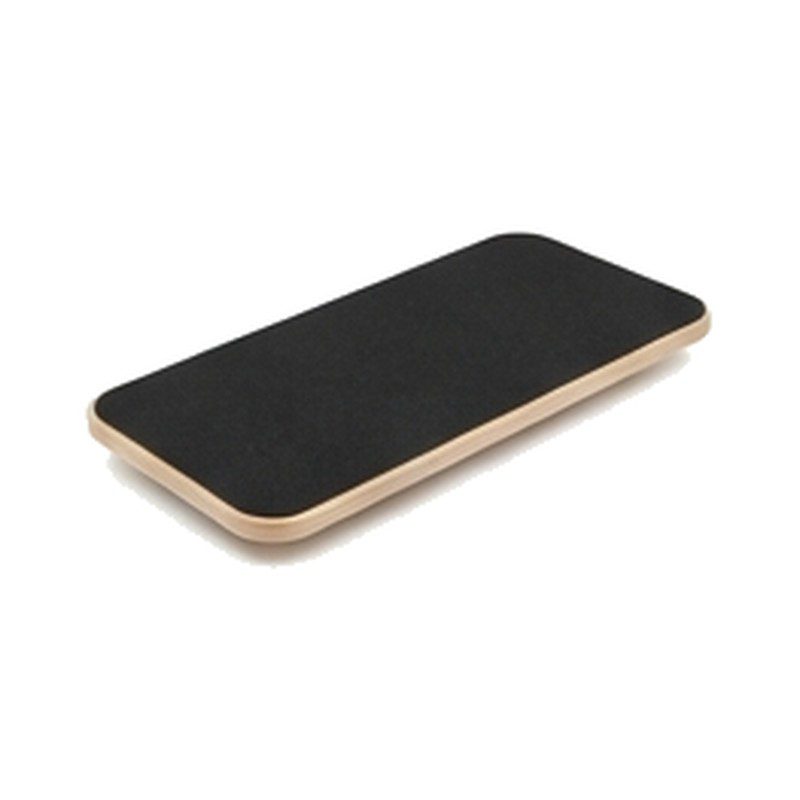
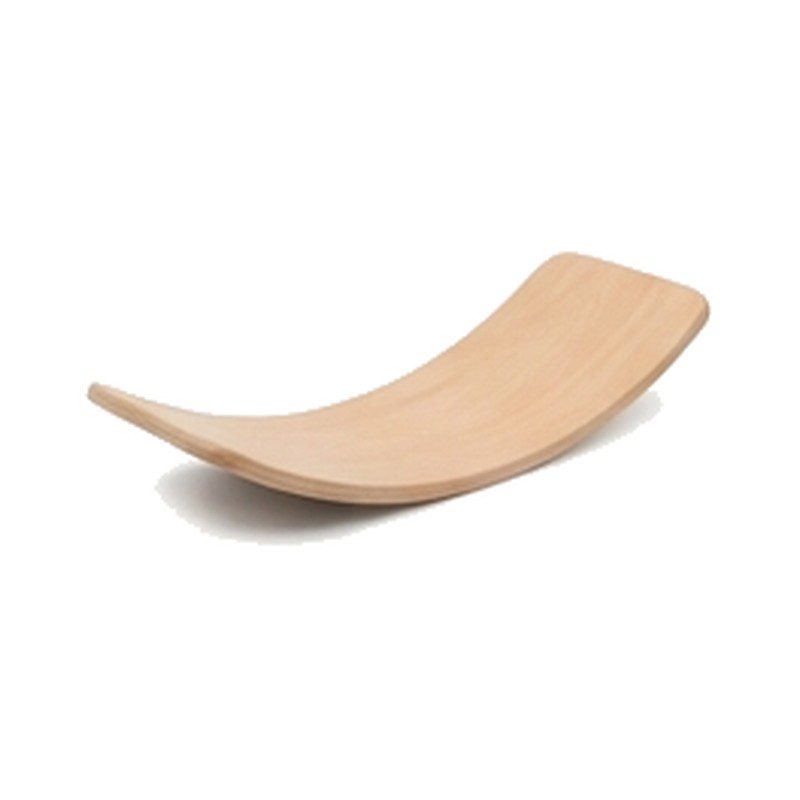
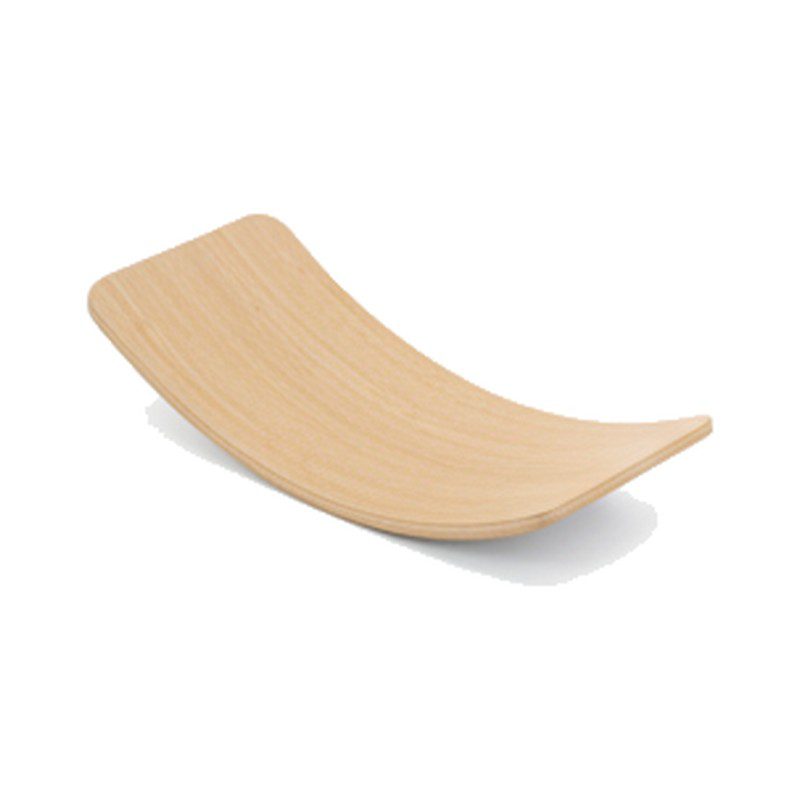
Large Oval Balance Board
Confirm the surface area and central pivot point durability.
COMPARE OPTIONS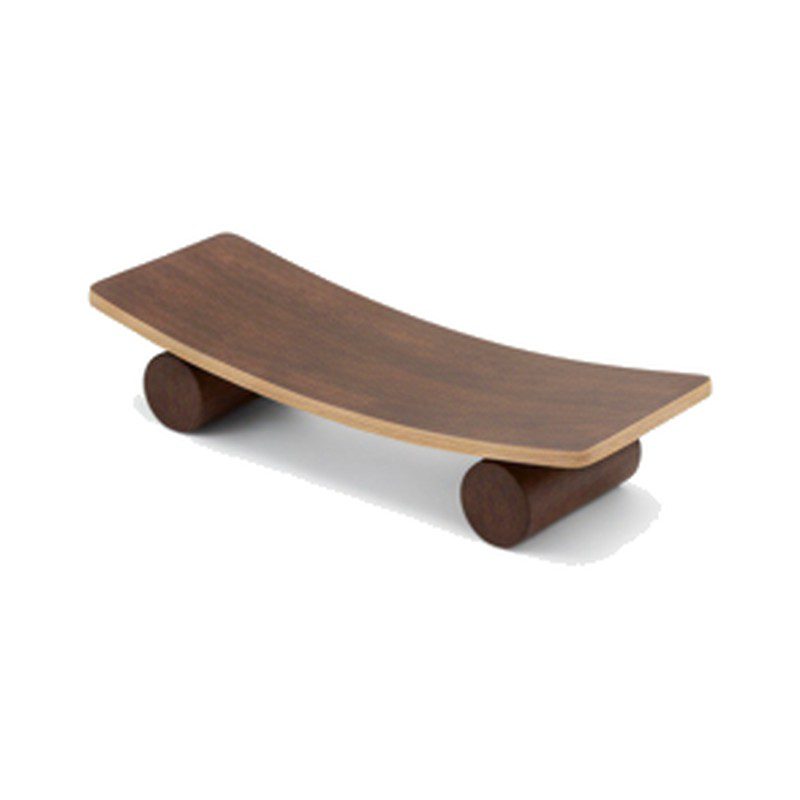
Pro Trick Roller Balance Board
Check the roller material and deck grip tape quality.
COMPARE OPTIONS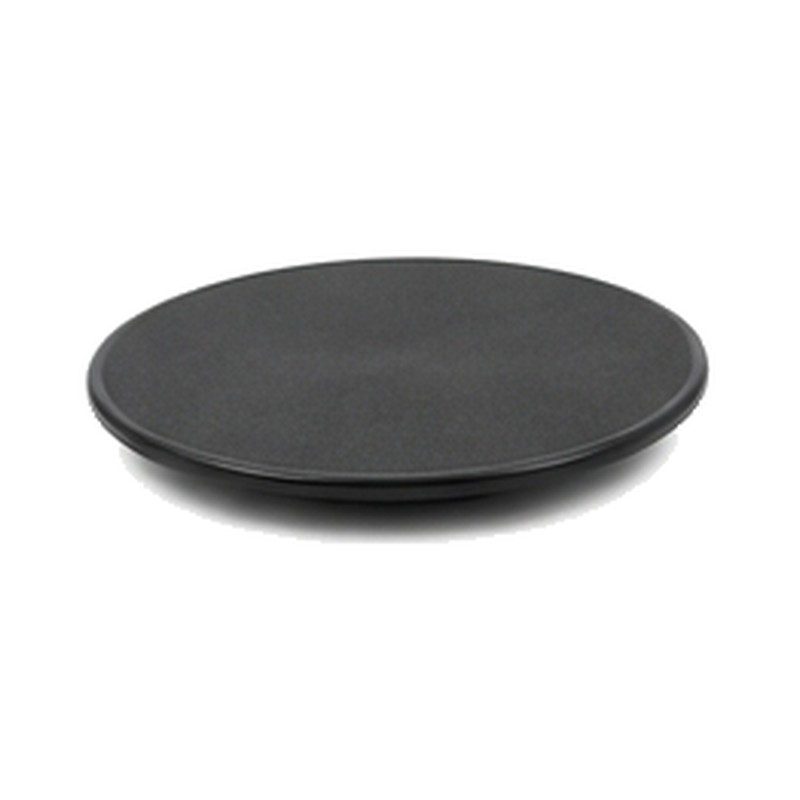
Plastic Wobble Balance Board
Inspect the structural ribbing and weight capacity rating.
COMPARE OPTIONS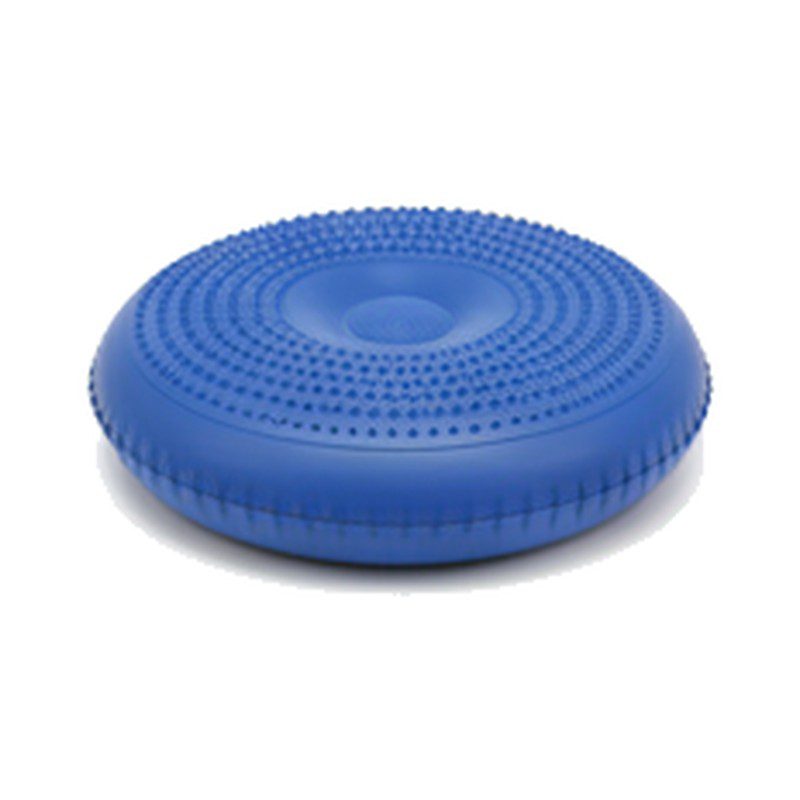
Inflatable Cushion Style Balance Board
Review the valve security and surface inflation limit.
COMPARE OPTIONSBefore Choosing
- Verify the base material is compatible with your floor type.
- Confirm the board size allows for your full foot width.
- Check that the pivot point moves without restriction or noise.
- Inspect the surface grip to ensure it is suitable for your footwear.
Questions Shoppers Ask
Are Balance Boards Dangerous For Beginners?
When used correctly in a clear space, these boards are generally manageable. Start slowly by holding onto a stable object until you feel comfortable with the movement. Always ensure the area is free from obstructions to minimise the risk of losing your footing while you learn the board response.
What Are Balance Boards Good For In Daily Use?
They are excellent for adding movement to standing desks or home gym routines. Using one encourages active engagement of your lower body, which helps prevent stiffness during long periods of standing. This simple addition can make your daily activities more dynamic and focused by keeping your muscles constantly active.
How Do I Choose A Wobble Board For My Home?
Consider the type of motion you want to achieve, such as circular wobbling or linear rocking. Check the listing for the pivot point height, as this determines the difficulty level of the board. Ensure the overall size fits your storage space and the surface material provides adequate grip for you.
Is A Balance Board Worth It For Fitness?
For many, it is a valuable tool that adds a new dimension to standard training. It challenges your coordination and helps you become more aware of your body alignment. If you enjoy incorporating variety into your routine, a board can be a very useful and long lasting piece of equipment.
What Do Balance Boards Help With During Practice?
They help you refine your ability to maintain equilibrium on an unstable surface. By using a board, you improve your coordination and muscle engagement through constant micro adjustments. This practice is beneficial for anyone looking to increase their control over their posture and body position during various activities.
Which Balance Board Is Best For Small Rooms?
Look for compact designs such as round wobble boards or low profile rocker models. These options typically have a smaller footprint and are easier to store away when you are not using them. Always check the listing for dimensions to ensure the board fits well within your available floor area.