
Turn an existing workout plan into a practical equipment shortlist by checking the role, setup and compatibility of each item.
Read More
Write the equipment requirement, not just the goal
Start with an existing workout plan or activity you understand. List the equipment it actually calls for: a loadable bar, a supported surface, a grip, a platform or a suitable floor-contact item. Broad labels such as strength or general fitness do not identify a particular product. This is a buying checklist, not an exercise programme or a promise of results.
For external resistance, check the whole system
If the plan uses free weights, distinguish the item that supplies resistance from any support or accessory. A bar may need compatible plates and collars; a bench does not include those parts merely because a photograph shows them. For bands, check the exact product specifications and intended use instead of treating colours or resistance labels as interchangeable between makers.
For bodyweight equipment, check the setup first
Rings and push-up grips provide different contact and support arrangements. Match the equipment to the intended activity and the instructions for that product. Rings also need an approved supporting arrangement and appropriate straps. Neither their small packed size nor the appearance of a doorway establishes that you can set them up there.
For steps and ropes, budget working space
A step platform and a coiled battle rope can occupy little storage space while requiring a larger clear area in use. Check the exact platform settings, rope dimensions and manufacturer setup requirements. Do not choose a rope only by its photographed coil size or assume that an anchor is included. These are alternatives to assess, not a combined circuit or a required kit.
For floor work, match the contact surface
Mats and sliders are different products with different surface requirements. Check the maker instructions for the intended activity and floor. Compare the usable area and stored dimensions as separate measurements. A product name alone does not establish floor protection, noise reduction or suitability for every movement.
Remove items with no role in the plan
Against each proposed purchase, write the intended role, required space, additional parts and the selected model specification. Remove items that have no clear role or cannot be set up as required. This keeps the shortlist tied to an actual plan rather than buying one of every category. The ten examples below are generic product types, not ranked recommendations or a complete starter bundle.
Use exact specifications when comparing versions
Mirafit lists different grip diameters and strap lengths for its wooden rings, and different lengths for its braided battle rope. Those examples show why the selected version matters. Their dimensions, ratings and prices are not transferred to any Amazon search result below. Read the current listing and instructions for the exact product you choose.
Specification examples: Mirafit wooden rings and Mirafit braided battle rope
Products To Compare
These are product types and configurations to compare, not ranked or hands-on tested recommendations. Buttons open Amazon UK searches. Illustrations are generic examples, not photographs of the items in those results.
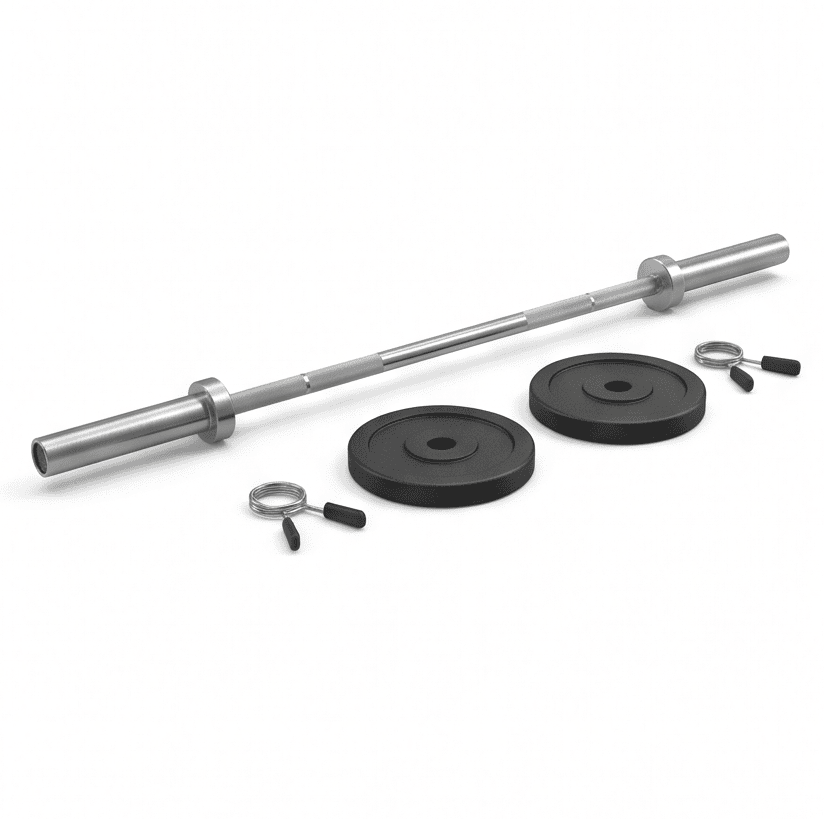
Olympic barbells
For a plan using a loadable bar, check plate, collar and support compatibility separately.
Competition-style kettlebells
Compare the selected weight, handle dimensions and the movements permitted by the maker.
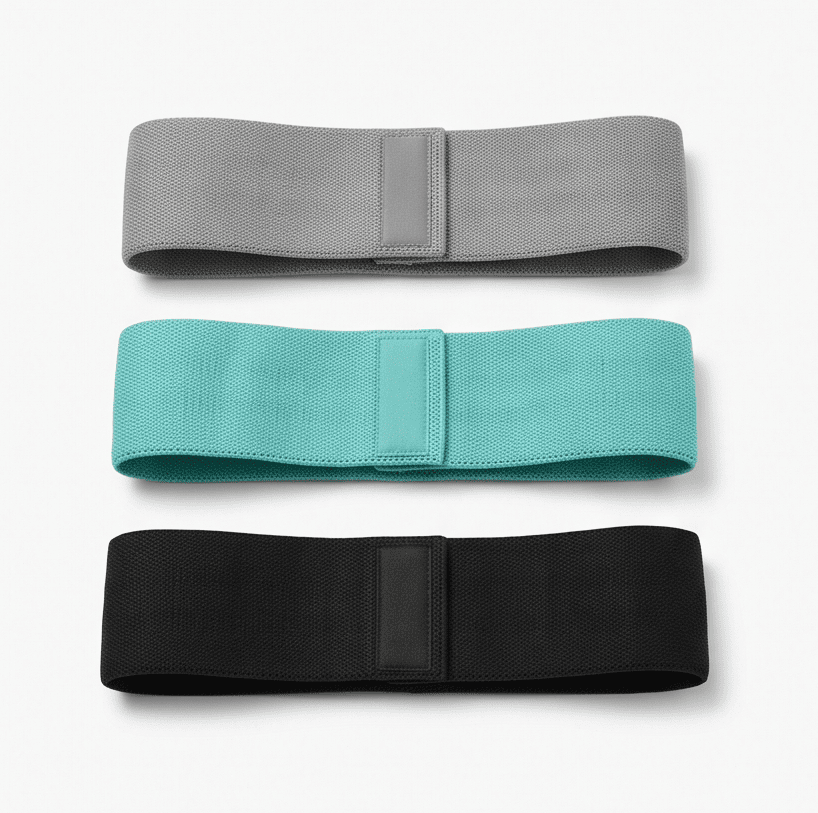
Fabric loop bands
Check loop dimensions and intended use; a colour is not a universal resistance rating.
Flat weight benches
Confirm that a flat support suits the planned work and check the total-load conditions.
28mm wooden rings
Check grip size, straps and an approved supporting arrangement before comparing extras.
Compact push-up grips
Compare handle height, base footprint and the specified floor surface.
9m braided battle ropes
Check the complete working area, anchoring requirements and selected rope dimensions.
Compact two-height steps
Check the usable platform area, permitted height settings and locking arrangement.
Exercise sliders
Match the specified slider face to the intended surface and planned use.
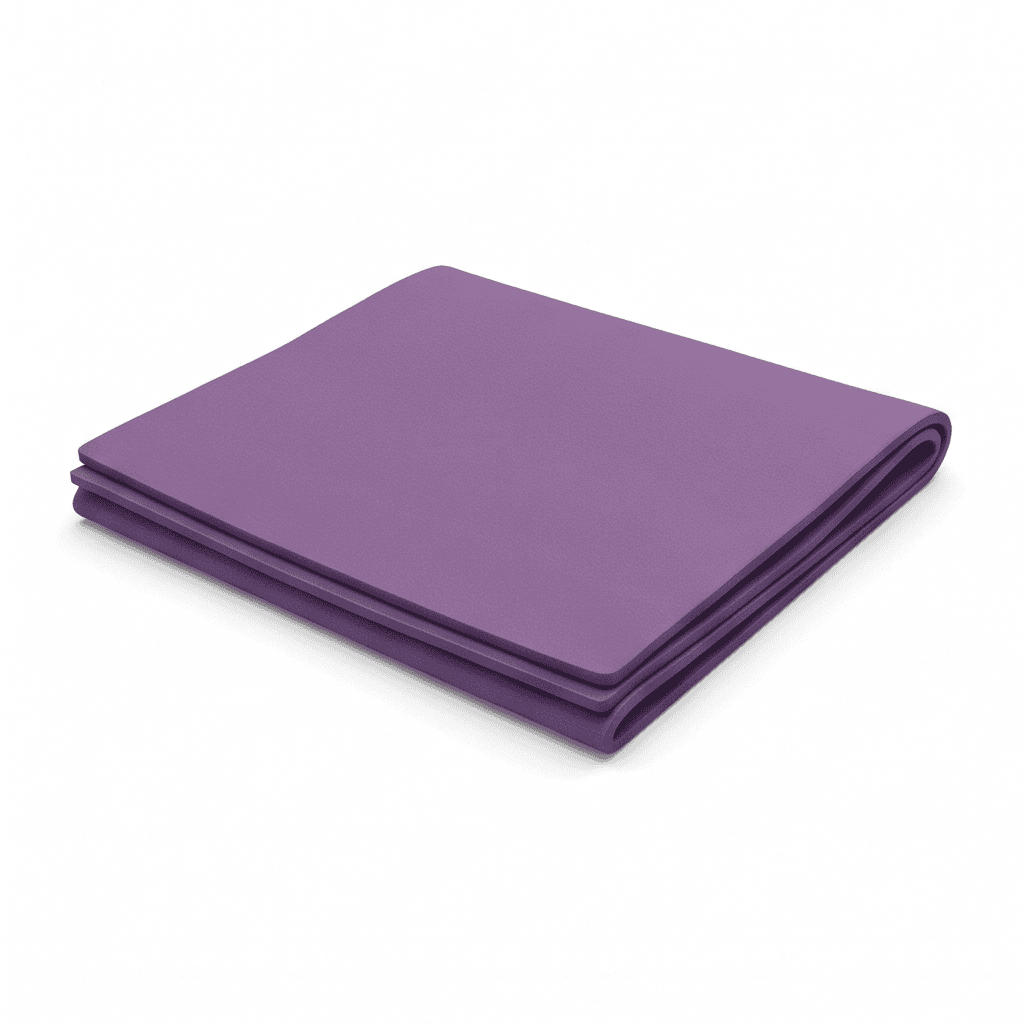
Fold-away exercise mats
Compare usable dimensions, thickness and the maker instructions for the intended activity.
Before Choosing
- A clear intended role for every item, based on an existing plan.
- Exact selected version, dimensions and maker instructions checked.
- Supporting equipment, attachments and supplied parts identified.
- Working space and surface requirements confirmed before ordering.