
Choose equipment around the room’s everyday use, the available working space and the steps needed to put it away. Generic illustrations show product types; links open Amazon UK searches.
Read More
Measure the room in both modes
Start with the room as it is normally used, then sketch the area available for equipment. Record the open equipment footprint and the working clearance specified by its maker separately. Leave the room access route clear. A product that fits in a cupboard may still need more space than you have when it is open.
Choose a storage place before ordering
Measure the actual shelf, cupboard or other intended storage space, including its opening. Compare these figures with the selected product’s stored dimensions, not just its overall length. Check any storage orientation and support requirements. Do not assume that a folding bench can stand upright unless its maker permits it.
Count the changeover steps
List the parts you would move, assemble, unfold or attach before each session and reverse afterwards. Check the manufacturer’s locking and handling instructions and any helper requirements. Consider who will do the changeover; this guide does not set lifting limits or certify that a product is easy for a particular person to move.
Keep the room surface in the decision
Check the surface specified for floor-contact items such as sliders and mats. Follow care and storage instructions before putting equipment away. A mat or storage box does not establish floor-load capacity, protect every finish or guarantee quiet use. Resolve those questions separately rather than relying on product photographs.
Compare a short practical shortlist
The six formats below are examples to assess, not a complete kit or a claim that each suits every room. Compare the total amount of equipment you intend to store, including loose parts. If a choice would require an attachment or permanent change, check its requirements separately rather than assuming furniture or a doorway is suitable.
Look for separate open and stored specifications
The Mirafit folding-bench listing and Decathlon folding-mat listing both provide separate assembled or unfolded and folded measurements. That distinction is useful when comparing any model. The generic illustrations and Amazon UK searches below do not identify those exact products or inherit their measurements, ratings or prices.
Specification examples: Mirafit folding bench and Decathlon folding mat
Products To Compare
These are product types and configurations to compare, not ranked or hands-on tested recommendations. Buttons open Amazon UK searches. Illustrations are generic examples, not photographs of the items in those results.
Folding weight benches
Compare open and folded measurements, the locking method and how the maker says to move it.
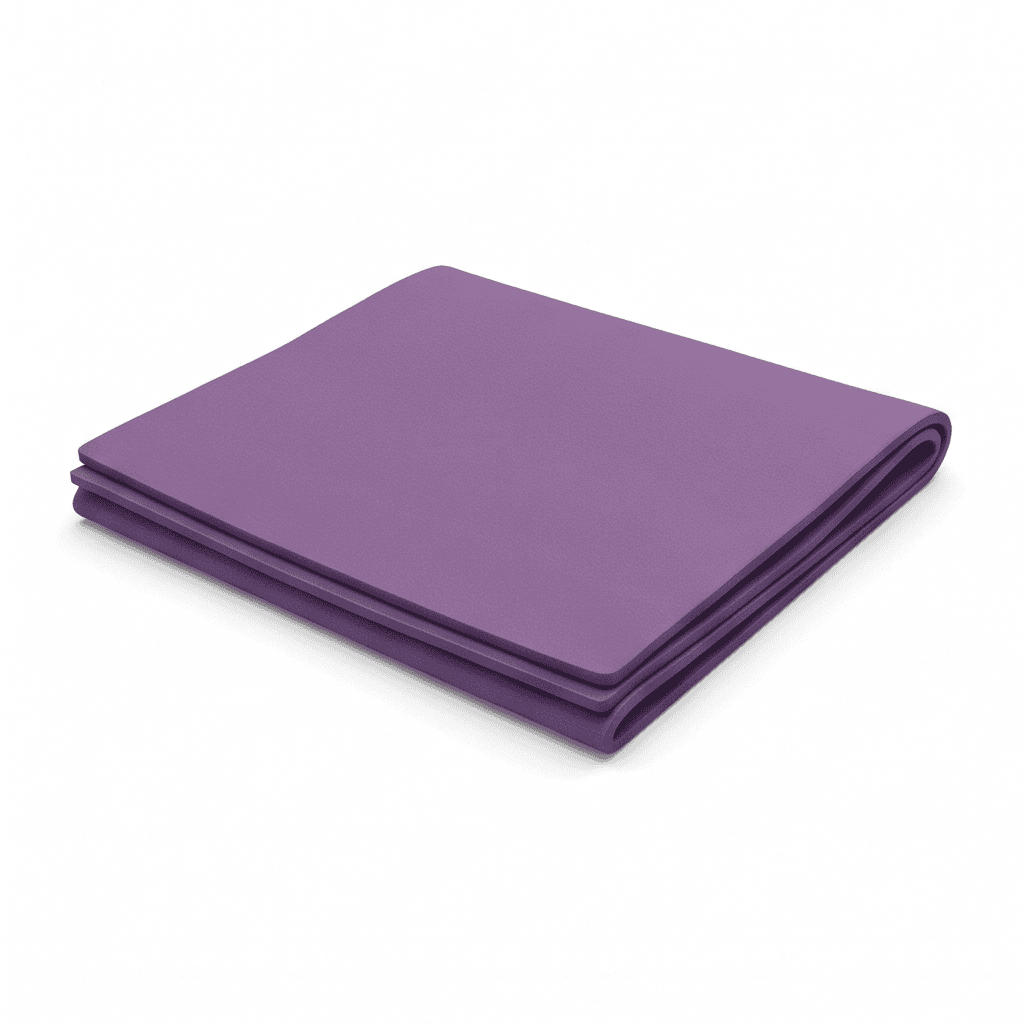
Fold-away exercise mats
Check stored thickness as well as the open area and care instructions.
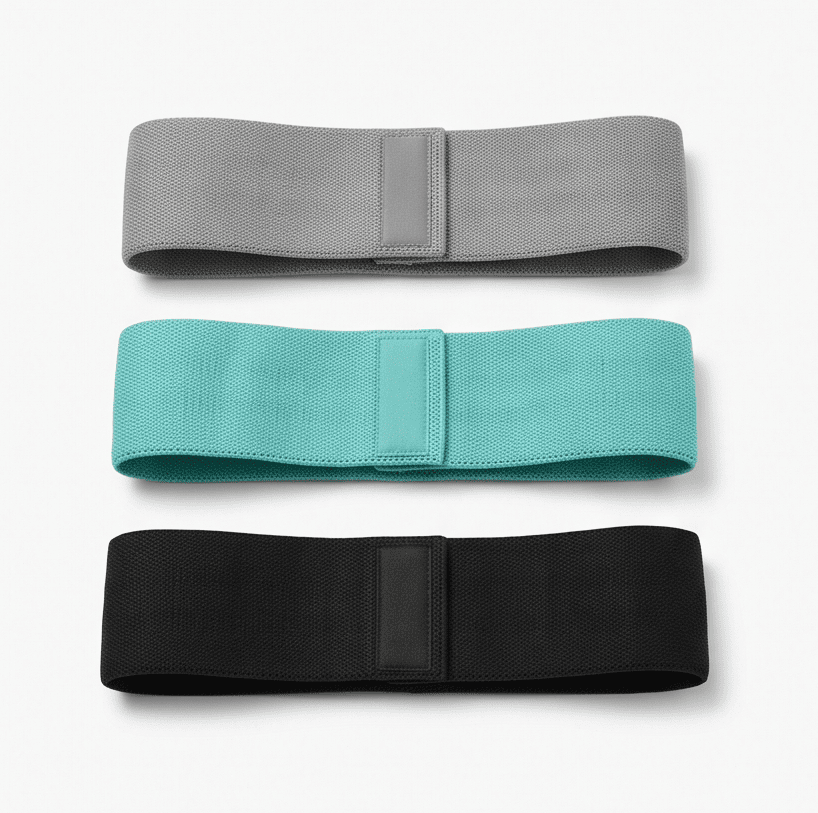
Fabric loop bands
Keep loop dimensions, intended use and storage instructions on your shortlist.
Compact push-up grips
Check the complete footprint and whether any parts detach for storage.
Exercise sliders
Confirm the intended floor surface; a small stored size does not establish suitability.
Gym storage boxes
Check internal dimensions and permitted contents; do not assume a box is rated for heavy weights.
Before Choosing
- Open footprint and manufacturer working clearance recorded.
- Stored dimensions, orientation and cupboard opening checked.
- All changeover steps, parts and handling requirements considered.
- Floor-contact suitability and care instructions confirmed.